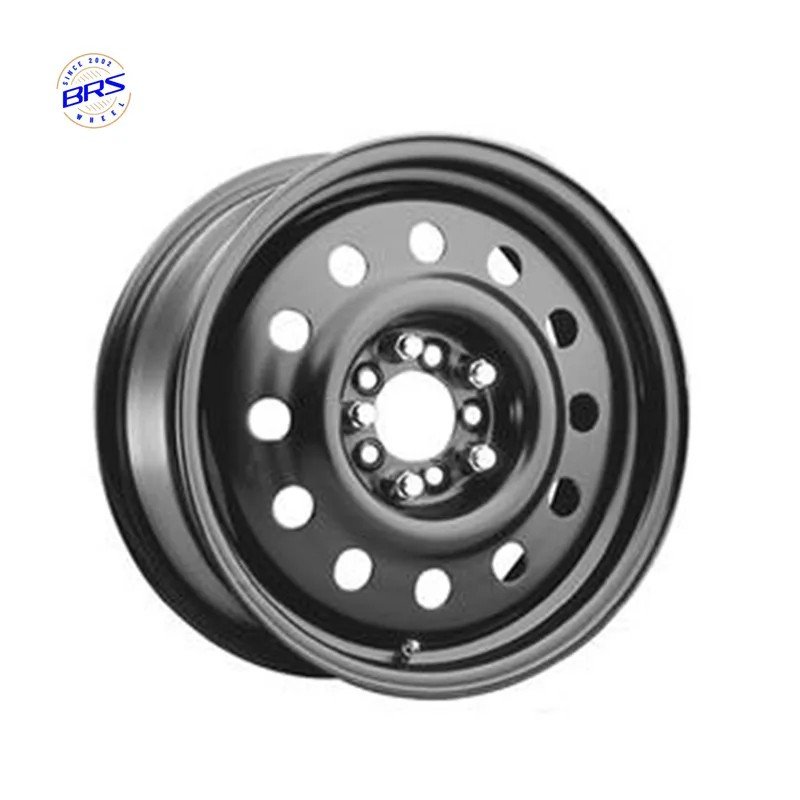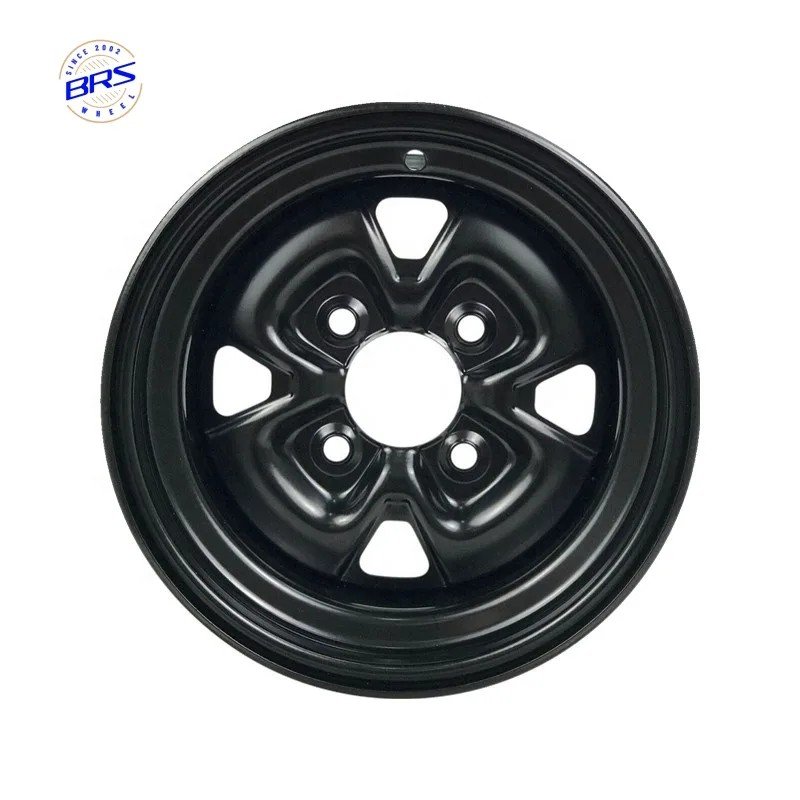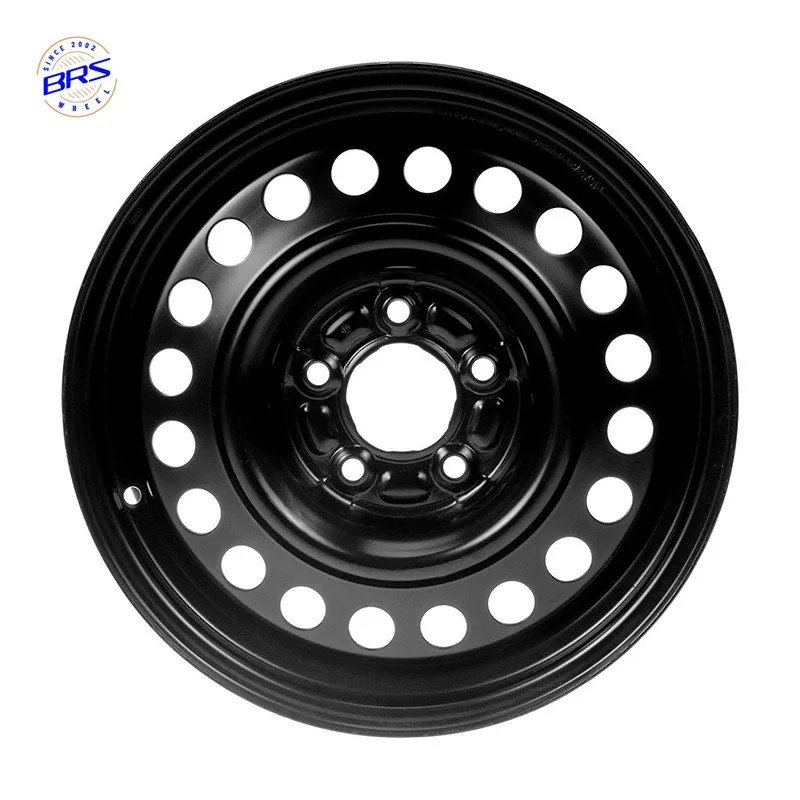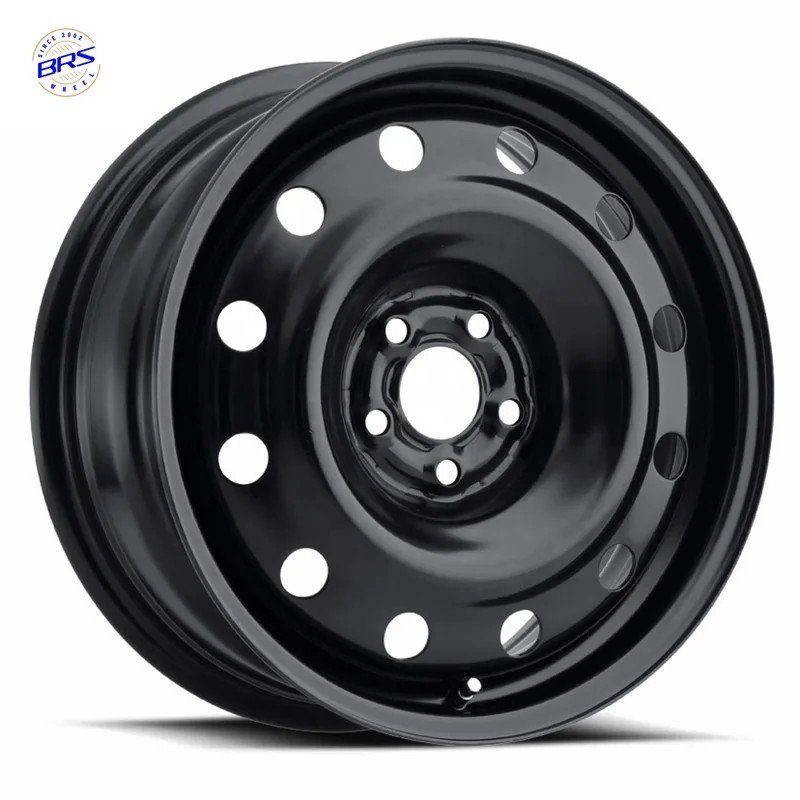


La distancia del vuelco (offset) de una llanta El vuelco (offset) es la distancia (medida en milímetros) entre la superficie de montaje del buje de una llanta y su línea central. Esta única medición determina cuánto se introduce la llanta hacia dentro o sobresale hacia fuera respecto a la carrocería del vehículo, afectando todo, desde la estética visual hasta la sensación de dirección, el estrés de la suspensión y la holgura del neumático. Elegir un offset incorrecto puede causar roce del neumático, desgaste prematuro de componentes e incluso problemas peligrosos de conducción.
Puntos clave
- El vuelco (offset) de una llanta mide la distancia, en milímetros, entre la superficie de montaje del buje de la llanta y su línea central.
- Un offset positivo introduce la llanta más profundamente en el paso de rueda (estándar en la mayoría de turismos de fábrica).
- Un offset negativo empuja la llanta hacia fuera para una vía más ancha y agresiva (común en vehículos todoterreno y de altas prestaciones).
- Un offset incorrecto altera el radio de barrido, provoca roce del neumático y aumenta riesgos de seguridad como reventones y dirección inestable.
- Verifique siempre la holgura y ajuste el offset a las especificaciones OEM de su vehículo; utilice mediciones de backspacing o herramientas de montaje para mayor precisión.
Comprender el vuelco (offset) de la llanta: los fundamentos

Cada llanta tiene una línea central imaginaria que atraviesa su punto medio. La superficie de montaje del buje es la sección plana que se atornilla contra el buje del vehículo. El offset mide la distancia entre estos dos puntos y se clasifica en tres categorías principales:
Offset cero
La superficie de montaje del buje se sitúa exactamente sobre la línea central de la llanta, posicionando el neumático perfectamente centrado en el paso de rueda. Esta configuración coloca la huella de contacto del neumático directamente bajo el eje de dirección, para una dirección equilibrada y menos estrés en los rodamientos. Era común en vehículos antiguos y en algunas aplicaciones todoterreno, pero es raro en los turismos modernos.
Desplazamiento positivo
La superficie de montaje del cubo se sitúa más cerca del lado exterior (de la calle) de la llanta, introduciendo el neumático más profundamente en el paso de rueda. Este es el estándar de fábrica para casi todos los vehículos de pasajeros modernos, ya que proporciona la holgura adecuada para la pinza de freno y se alinea con la geometría de suspensión diseñada.
Offset Negativo
La superficie de montaje del cubo se sitúa más cerca del lado de los frenos (interior), empujando la llanta hacia afuera de la carrocería del vehículo. Esto crea una vía más ancha y una postura agresiva, alineada con el guardabarros, común en camiones todoterreno y coches de altas prestaciones.
Cambiar el offset altera directamente la anchura de vía: pasar de un offset de +40mm a +25mm desplaza cada rueda 15mm hacia afuera, añadiendo 30mm a la anchura total de vía. Una postura más ancha mejora la estabilidad en las curvas, pero aumenta la tensión en los rodamientos de las ruedas y los componentes de la suspensión.
Offset OEM Típico por Tipo de Vehículo
| Tipo de vehículo | Rango de Offset OEM Típico |
|---|---|
| Sedanes y Coches Compactos | +35mm a +55mm |
| SUV y Crossovers | +15mm a +45mm |
| Camiones de Media Tonelada (6-lug) | Varía según 2WD/4WD |
| Camiones pesados (8-lug) | Varía según la capacidad de carga |
| Coches deportivos | A menudo con desfase (offset) escalonado entre el eje delantero y el trasero |
Cómo afecta el offset de la llanta a la conducción y la seguridad

Impacto en la dirección y la estabilidad
El offset altera el comportamiento del vehículo al modificar el radio de arrastre (scrub radius): la distancia entre el centro de la huella de contacto del neumático y el eje de la dirección. Los ingenieros calibran cada vehículo en función de un radio de arrastre específico; cambiar el offset altera esta geometría diseñada.
- Un mayor radio de arrastre positivo (al desplazar las ruedas hacia el exterior) hace que la dirección se sienta más pesada y lenta, provoca que los neumáticos se arrastren en las curvas y acelera su desgaste. También puede hacer que el frenado sea menos estable, con el coche desviándose hacia un lado durante frenadas fuertes.
- Una vía más ancha gracias a un offset negativo reduce la inclinación de la carrocería en las curvas y mejora el agarre a alta velocidad, pero añade más esfuerzo a las rótulas y a los brazos de suspensión.
Incluso unos pocos milímetros de cambio en el offset pueden hacer que la dirección se sienta pesada, inestable o poco receptiva, especialmente a velocidades de autopista.
Riesgos de holgura y roce
Cada paso de rueda tiene un espacio limitado entre el neumático, los brazos de suspensión, las pinzas de freno y los revestimientos internos. Cambiar el avance (offset) desplaza la posición del neumático en este espacio reducido, y el roce es un resultado común y peligroso.
La fricción constante contra la suspensión o la carrocería daña el flanco del neumático con el tiempo, creando riesgos que incluyen:
- Reventones repentinos de neumático por flancos desgastados
- Comportamiento impredecible del vehículo, especialmente en curvas y con suelo mojado
- Distancias de frenado mayores y menor estabilidad
- Desgaste prematuro de frenos, rodamientos y componentes de la suspensión
Antes de instalar nuevas llantas, verifique siempre la holgura completa en todo el recorrido de la suspensión (compresión, giro y carga). Unos pocos milímetros de error de cálculo pueden ser la diferencia entre una operación segura y el fallo del neumático.
Cómo elegir el avance (offset) adecuado para su vehículo
Equilibrio entre estética y funcionalidad
Un montaje de rueda a ras puede dar al vehículo una apariencia más agresiva, pero la estética no debe sacrificarse a costa de la compatibilidad mecánica. El offset de la rueda afecta a la posición de la rueda respecto a la suspensión, los frenos y el paso de rueda, y un offset inadecuado puede reducir el espacio libre o alterar el comportamiento de la dirección y la conducción.
Al elegir un offset, comience por las especificaciones recomendadas por el fabricante del vehículo y manténgase dentro de un rango adecuado para la configuración de la suspensión y las ruedas. Fabricantes fabricantes de ruedas de renombre pueden ofrecer opciones de offset específicas para cada montaje y diferentes aplicaciones de vehículo, ayudando a los compradores a equilibrar la apariencia, el espacio libre y el rendimiento diario.
Backspacing y consejos de medición
El backspacing es la distancia desde la superficie de montaje del buje de la rueda hasta su borde interior del aro. Ayuda a determinar cuánto espacio hay disponible entre la rueda y componentes como la pinza de freno, la suspensión y el paso de rueda interior. Dado que el backspacing y el offset describen la posición de la rueda de diferentes maneras, comprender ambas medidas puede hacer que las comprobaciones de montaje sean más precisas.
Para medir el backspacing, coloque la rueda boca abajo sobre una superficie plana y apoye una regla recta sobre los bordes traseros del aro. Mida la distancia desde la regla hasta la superficie de montaje del buje. A continuación, puede comparar esta medida con las especificaciones de ancho y offset de la rueda para evaluar el espacio libre interior y exterior.
Antes de comprar, verifique siempre juntos el ancho de la rueda, el offset, el backspacing, el espacio libre de frenos, el espacio libre de la suspensión y el espacio libre del paso de rueda. Esto es más fiable que elegir un offset basándose únicamente en la apariencia.
Preguntas frecuentes
¿Cómo puedo averiguar el offset actual de las ruedas de mi vehículo?
El offset está marcado en la parte trasera del buje de la rueda, normalmente codificado como “ET” o “IS” seguido de un número (p. ej., ET45 = offset 45mm). Compruebe siempre este valor antes de buscar ruedas de repuesto.
¿Qué ocurre si el offset de la rueda es incorrecto?
Un offset incorrecto provoca una dirección pesada o nerviosa, roce del neumático con la suspensión o los pasos de rueda, desgaste prematuro de rodamientos y suspensión, y un mayor riesgo de reventón. Compruebe siempre el espacio libre antes de conducir con ruedas nuevas.
¿Influye el backspacing de la rueda en el montaje?
Sí. El retroceso (backspacing) mide la distancia desde la superficie de montaje hasta el borde interior del aro, y controla directamente la holgura de frenos y suspensión. Se utiliza para calcular el offset y verificar que una llave encaje sin rozar.
¿Puedo cambiar el offset de las llantas sin otras modificaciones?
Los ajustes pequeños de unos pocos milímetros suelen estar bien. Los cambios mayores pueden requerir el plegado de los pasos de rueda, ajustes en la suspensión o neumáticos más estrechos. Consulte siempre a un profesional para evitar problemas de seguridad y daños costosos.
¿Por qué los camiones todoterreno usan llantas con offset negativo?
El offset negativo empuja las llantas hacia afuera, ensanchando la vía para una mejor estabilidad en terreno irregular y creando una postura agresiva. La contrapartida es un mayor esfuerzo en los rodamientos y los componentes de la dirección, por lo que se deben respetar los límites para una operación segura.
Veredicto final
El offset es una medida pequeña con un impacto considerable en la apariencia, el manejo y la seguridad de su vehículo. Mantenerse cerca del offset OEM de su vehículo garantiza que la geometría de la suspensión funcione según lo diseñado, minimiza el desgaste y evita rozamientos peligrosos del neumático.
Si desea ajustar la postura por estilo o rendimiento, haga cambios pequeños, verifique la holgura completa y use herramientas de montaje o asesoramiento profesional para evitar errores. Unos pocos milímetros marcan toda la diferencia en la calidad de conducción y la seguridad.

Experto en la fabricación de llantas de acero
Pioneros en el sector de la fabricación de llantas para automóviles