No — powder-coated wheels offer significantly better chip and scratch resistance than traditional painted wheels, but no finish is completely indestructible. The powder coating process bakes a thick, hard, fused layer onto the wheel metal, which absorbs impacts from road gravel far better than thin liquid paint. Most scratches stay shallow on a properly cured finish, and daily road debris rarely cuts through to bare metal.
That said, heavy high-speed impacts, deep curb scrapes, and poor coating application can still cause damage. Long-term durability depends on four core factors: surface preparation, coating thickness, curing quality, and driving conditions. This guide breaks down how powder coating resists damage, how it compares to paint, and how to keep your wheels in top shape.
Key Takeaways
- Powder-coated wheels outperform painted wheels in chip and scratch resistance thanks to a thicker, baked-on fused layer.
- Coating quality, curing process, and surface prep are the biggest drivers of long-term finish durability.
- Powder coating holds up better on gravel and rough roads; paint offers more color options and easier spot touch-ups.
- Wash powder-coated wheels with mild soap and soft brushes to preserve the protective finish.
- Fix small chips and scratches promptly with touch-up paint to stop rust and prevent further damage.
How Powder Coating Resists Chips and Scratches
The superior durability of powder coating comes down to its application process and material structure.
Application & Bonding
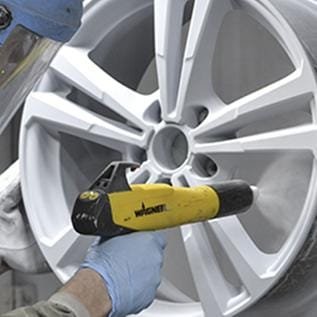
During powder coating, electrically charged dry powder is sprayed onto the wheel surface. The wheel is then baked in an oven, where the powder melts, flows, and cross-links into a single, continuous solid film. This baked-on layer bonds tightly to the metal substrate, rather than sitting as a separate thin film on top like traditional paint.
Thickness & Impact Absorption
A cured powder coat is many times thicker than a standard paint layer. When road gravel or debris hits the surface, the thick film absorbs most of the impact energy before it can reach bare metal. This makes powder coating highly resistant to stone chips and light abrasion from car wash brushes or roadside branches.
Flexible Impact Resistance
Fully cured powder coating has a slight degree of flexibility, rather than being brittle. It can bend slightly under moderate impact instead of shattering, which helps the finish stay intact through pothole strikes and light curb taps. Drivers on gravel roads typically report far less stone chip damage than they experienced with painted wheels.
When Powder-Coated Wheels Can Get Damaged
No finish is immune to damage. There are four common scenarios where powder coating can chip or scratch:
- High-speed heavy impacts: Large rocks or debris at highway speeds carry enough force to fracture the coating and create a chip.
- Deep curb scrapes: Gouges from curbs or sharp metal edges can cut straight through the coating to the metal below.
- Thin edge coverage: Spoke edges and sharp corners are harder to coat evenly. Thin coating at these points creates a weak spot where stones can more easily chip through to bare metal.
- Poor surface prep: Dust, oil, or oxidation left on the wheel before coating weakens adhesion. Over time, the coating can lift, flake, or crack at these poorly bonded spots.
Most of these issues are preventable with high-quality application. Reputable coaters include thorough cleaning, stripping, priming, and controlled curing to create a durable, long-lasting finish.
What Affects the Durability of Powder-Coated Wheels?
Two wheels with the same color powder coat can wear very differently based on these four variables:
1. Coating Thickness & Curing Quality
Thicker films absorb more impact energy and provide better scratch resistance. Proper oven temperature and bake time ensure the powder fully cross-links into a dense, hard surface. Undercured coating stays soft, scratches easily, and wears out quickly. A clear top coat further boosts scratch resistance and makes cleaning easier.
Note that darker finishes (especially gloss black) show fine scratches more visibly, while matte and satin finishes hide light marks better.
2. Surface Preparation
Strong adhesion starts with a clean substrate. Proper prep includes stripping old finish, cleaning off oil and contaminants, and applying a primer layer. Weak prep leads to flaking and chipping long before the coating itself would wear out.
3. Edge & Corner Coverage
Careful masking and extra spray passes at spoke edges and corners improve coverage at these natural weak points. Well-coated edges maintain chip resistance under normal driving conditions.
4. Driving & Maintenance Habits
Gravel roads, high highway speeds, and winter road salt all accelerate wear. Harsh cleaning chemicals, abrasive sponges, and dirty wash buckets also cause fine scratches over time. Even the best powder coating will not hold up to repeated curb scrapes.
Powder-Coated Wheels vs. Other Wheel Finishes
| Factor | Powder Coating | Traditional Paint |
|---|---|---|
| Chip/scratch resistance | Excellent; thick film absorbs impact | Moderate; thin layer chips easily from stone hits |
| Coating structure | Thick, uniform fused metal bond | Thin, surface-level film |
| Color selection | Limited standard colors | Wide range of custom shades and effects |
| Touch-up difficulty | Hard to spot-repair; full strip and rebake for perfect match | Easy to spot-repair with touch-up paint |
| Best use case | Daily drivers, off-road vehicles, trucks | Show cars, custom builds, light-use vehicles |
| Typical lifespan | 5–10+ years with proper care | 2–5 years under similar conditions |
For daily drivers and off-road use, powder coating is almost always the better value. For show cars or projects requiring a custom color, paint offers more flexibility.
How to Care for Powder-Coated Wheels
A simple maintenance routine, recommended by a professional powder-coated wheels manufacturer, will help keep wheels looking great for years.
Regular Cleaning
- Wash wheels with mild car soap and a soft-bristle brush.
- Avoid harsh chemicals, acid-based cleaners, and abrasive scrubbing pads, which dull the finish and weaken scratch resistance over time.
- Rinse thoroughly and dry with a soft microfiber cloth. Use clean wash water to avoid grinding loose grit into the surface.
Protective Sealant
Apply a wheel sealant or wax after washing. This adds an extra layer of protection against scratches, brake dust, and road salt, and makes future cleaning easier.
Prompt Chip Repair
Small chips and deep scratches that expose bare metal should be fixed quickly to prevent rust from spreading. Touch-up paint works well for small marks. For large or deep damage, a professional coater can re-finish the affected area.
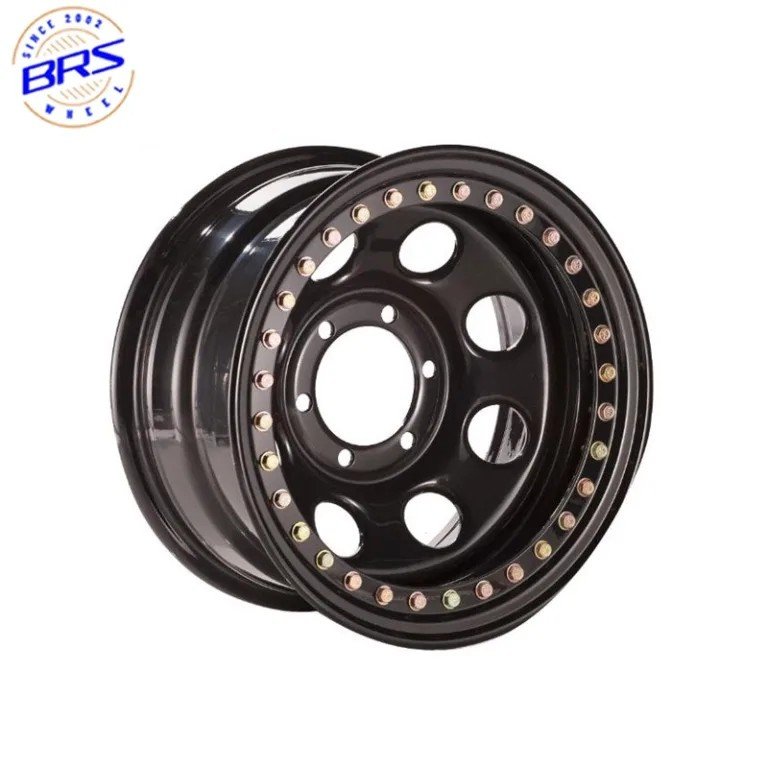
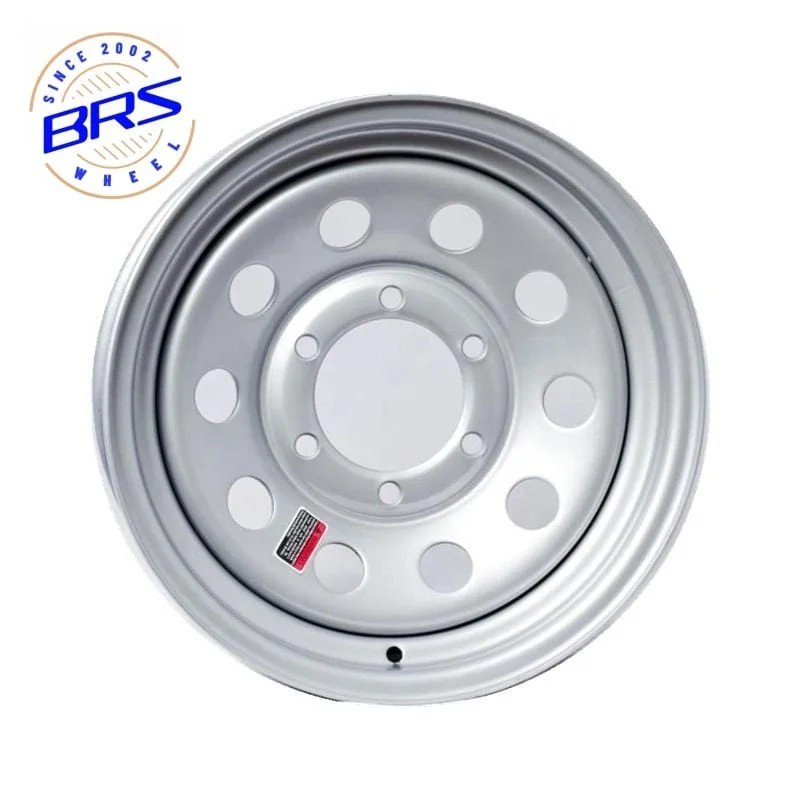
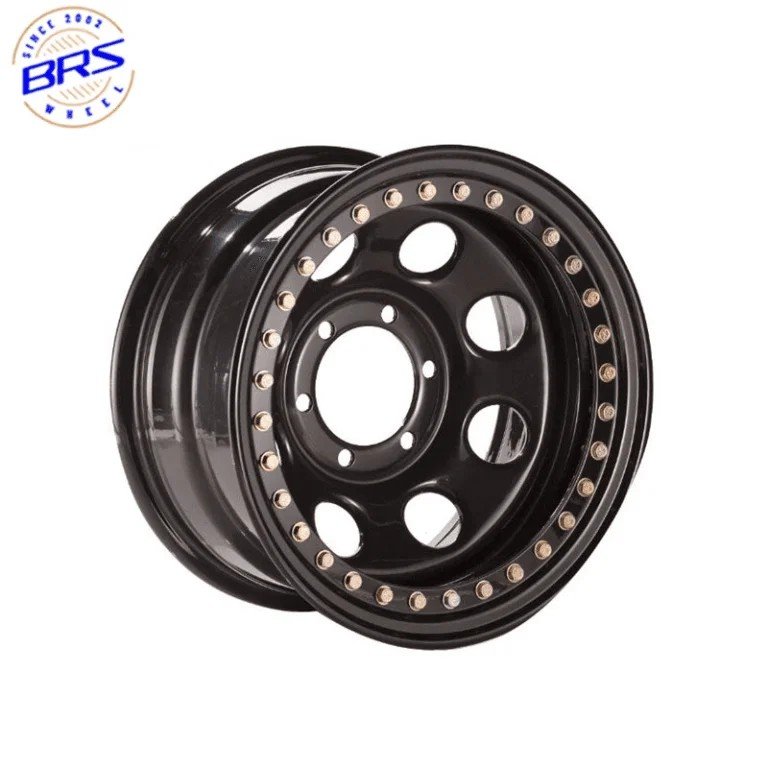
For drivers seeking durable, work-ready wheels, BRS Black Powder Coated Wheels are available in gloss, matte, and satin black finishes. The coating is engineered to resist brake dust, corrosion, and UV fading, with consistent quality backed by IATF 16949 quality control. These rims are built for trucks, ATVs, and off-road use, standing up to gravel and rough road conditions.
FAQ
How long does powder coating last on wheels?
A high-quality powder coat application lasts 5–10+ years under normal driving conditions. Lifespan depends on coating thickness, cure quality, surface prep, and driving habits. Regular cleaning and prompt touch-ups extend service life, while rough roads and harsh weather shorten it.
Can powder coating hide existing scratches on wheels?
The thick powder layer can mask light surface marks, but deep gouges will still show through. Proper prep work — including stripping and smoothing the wheel — is required to remove old damage before coating.
Does powder coating resist brake dust and road salt?
Yes. Fully cured powder coating forms a dense, non-porous barrier that resists brake dust buildup, road salt, and moisture, lowering corrosion risk. Regular washing with mild soap and periodic sealant application adds extra protection.
Is powder coating better than paint for off-road wheels?
Yes. Powder coating offers stronger impact and chip resistance than paint, and its thick film holds up much better to gravel and trail debris. Paint offers more color options and easier spot repair, but off-road drivers almost always prefer powder coating for durability.
Can you repair a chipped powder-coated wheel at home?
Small chips can be touched up with matching paint or a repair pen to prevent rust. Large or deep damage requires professional re-coating for a seamless finish. Prompt repair stops further chipping and corrosion from spreading.