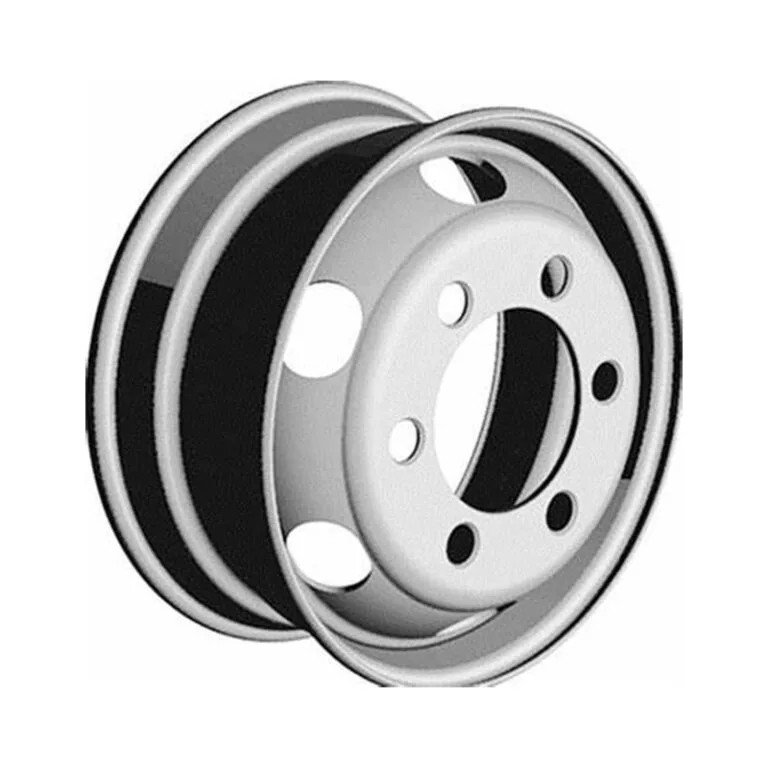
Wider Lkw-Räder can deliver real gains in traction, cornering stability and visual stance, but they come with clear tradeoffs in fuel economy, ride comfort and long-term suspension wear. There is no universal “better” answer — the right choice depends entirely on how you use your truck, and your priorities for performance, appearance and running costs.
Moderate width increases often deliver most of the grip benefits without major downsides, while extreme wide setups multiply drawbacks. This guide breaks down the pros, cons, fitment rules and use cases to help you pick the right width for your build.
Wichtigste Erkenntnisse
- Wider wheel and tire packages improve traction and cornering stability, especially on wet, loose or slippery surfaces.
- Extra unsprung and rotational weight from wider setups can reduce fuel economy and accelerate suspension component wear.
- Always verify fender clearance, offset and suspension travel before upgrading, especially for lifted trucks.
- Wider setups cost more upfront, and wider tires often wear faster at the edges without regular rotation.
- Choose wider wheels for off-road use, heavy hauling or aggressive stance; stick to stock width for daily commuting and lowest running costs.
Benefits of Wider Truck Wheels
Improved Traction & Braking
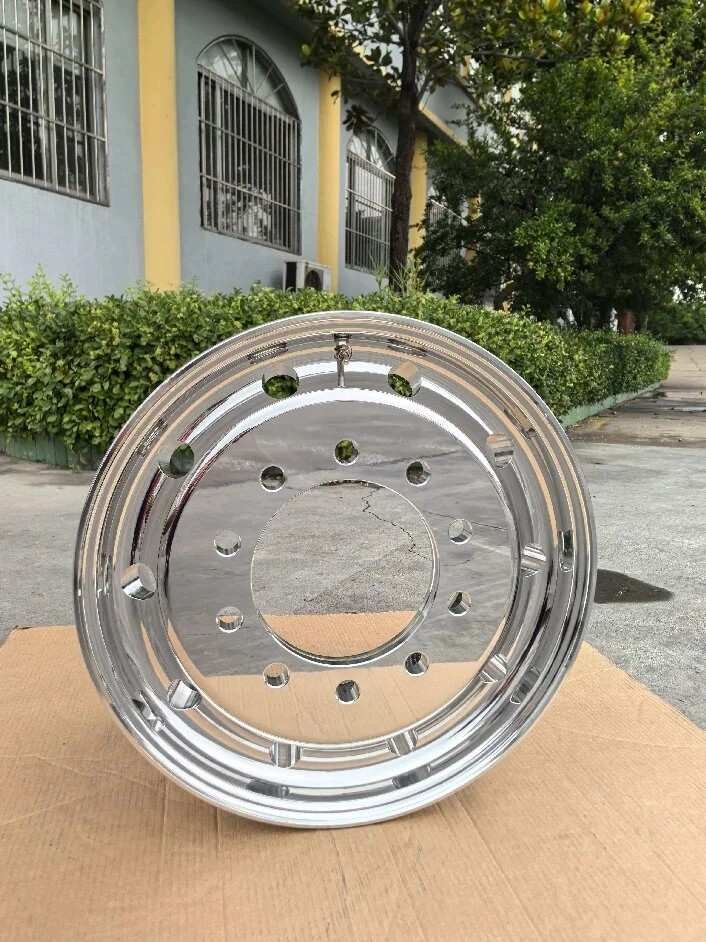
A wider wheel supports a wider tire, creating a larger contact patch between the rubber and road surface. More surface area delivers better grip on wet, muddy or snow-covered pavement, most noticeably in shorter braking distances and more confident acceleration in slippery conditions.
Better Cornering Stability
A wider stance reduces body roll and keeps the tread planted through turns. Drivers who haul heavy loads or tow trailers often report more stable, predictable handling on winding roads and highway ramps, with less wander under load.
Note: Flotation vs. Traction Off-Road
Wider tires spread weight across a larger footprint, which helps on hard-packed dirt and gravel. On deep snow, soft mud or loose sand, however, wide tires can float on the surface instead of biting down to firmer ground. Narrower tires concentrate weight and dig in better in these conditions, so experienced off-road drivers often choose narrower setups for winter and deep trail use.
Aggressive Stance & Lifted Build Compatibility
Wider wheels fill out the wheel well for a purposeful, rugged look that many truck owners prefer. They are also a natural match for lifted trucks: a suspension lift creates extra space in the wheel well, and a wider wheel-tire package balances the raised height to avoid a narrow, top-heavy look.
Downsides of Wider Wheels
Increased Unsprung Weight & Suspension Wear
Larger wheel and tire packages add mass below the suspension springs, known as unsprung weight. The shocks, bushings and ball joints must control this extra weight over every bump, which can accelerate wear over time. The effect builds gradually, so many owners do not notice it until components fail early.
Extra rotational mass also means the brakes must work harder to stop spinning weight, which can reduce braking performance in repeated hard stops.
Lower Fuel Economy
Heavier, wider tires create more rolling resistance, requiring more energy to spin and maintain speed. The penalty is most noticeable in stop-and-go driving and delivery work, where the truck is constantly accelerating and decelerating.
Firmer Ride & Tramlining
Wider setups often use lower-profile, stiffer sidewall tires that transmit more road texture into the cabin. Small bumps, expansion joints and rough pavement feel more direct, which can be fatiguing on long trips.
Wider tires also track road ruts and grooves more eagerly (called tramlining), which can make steering feel pull on uneven pavement. Tighter turning radius and increased curb contact also make city parking more difficult.
Higher Upfront & Running Costs
Wider wheels and tires cost more than stock sizing upfront, including the spare tire. Wider tires also wear unevenly faster, with outer edges scrubbing down more quickly during turns. Regular tire rotation helps, but it adds maintenance effort over the life of the set.
Fitment Considerations for Wider Wheels
Freigängigkeit von Kotflügel und Federung
A wider wheel-tire package sits closer to the fender liner and bodywork. A setup that clears at rest can still rub during hard turns or full suspension compression. Always test clearance at full steering lock and max compression before finalizing your build, not just in parked stance.
Offset & Stance
Wheel offset determines how far in or out the tire sits relative to the fender. Lower (more negative) offset pushes the wheel outward for a wider, more aggressive stance, but increases the risk of fender rub. Too much outward shift also adds extra leverage on wheel bearings and ball joints, accelerating wear.
Lifted Truck & Heavy Haul Fitment
Lift kits create vertical clearance for taller tires, and also open room for wider wheel setups. For work and hauling builds, match width to your load rating:
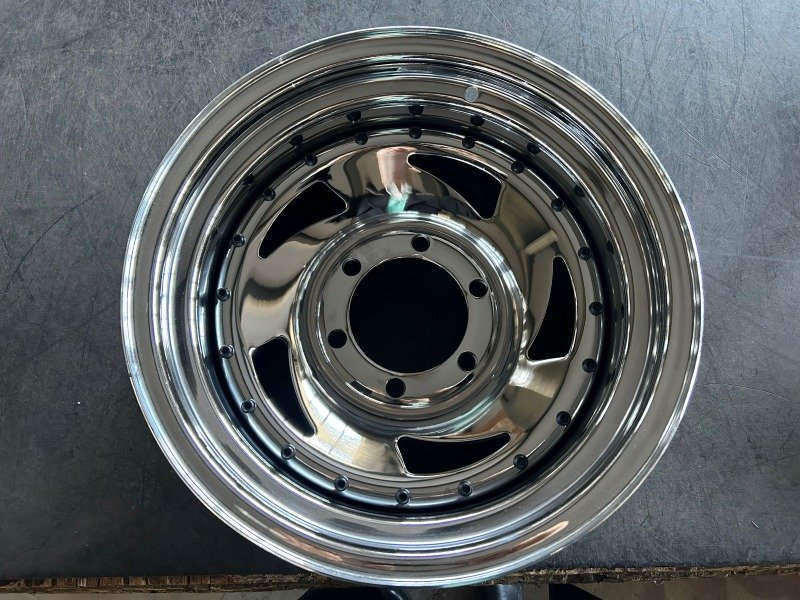
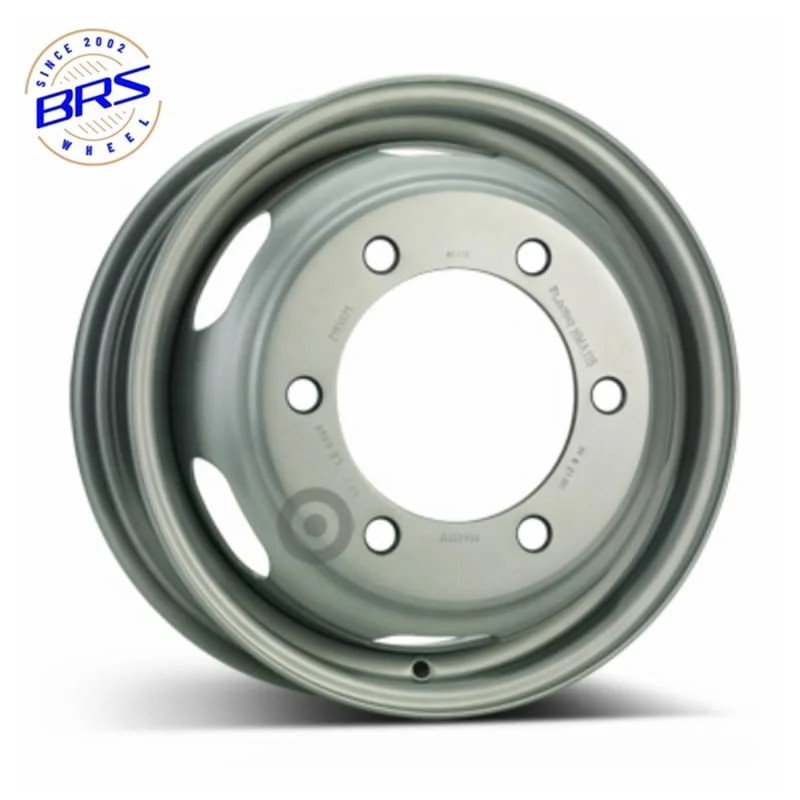
- Stahlräder: Best for construction, hauling and off-road fleets, thanks to impact resistance and high load capacity.
- Geschmiedete Aluminiumfelgen: Reduce unsprung weight to preserve fuel efficiency and ride quality for long-haul and highway-focused builds.
For commercial and fleet applications, BRS-Lkw-Räder offers both steel and forged aluminum options in 5.5 to 24.5 inch sizes, backed by a 3-year warranty and IATF 16949 quality certification, to match different hauling and route priorities.
When to Choose Wider vs. Stock-Width Wheels
Choose Wider Wheels If:
- You regularly drive off-pavement, on gravel, or in wet/loose conditions and need extra traction
- You tow or haul heavy loads and want more cornering stability
- You have a lifted truck and want a balanced, proportional stance
- Appearance and rugged styling are a priority for your build
Stick With Stock Width If:
- Your truck is mostly a daily commuter on paved roads
- You want the lowest possible running costs and predictable fuel use
- You prioritize smooth ride comfort over maximum grip
- You manage a work fleet and want the simplest, lowest cost-per-mile setup
Neither option is universally better. Match your wheel width to how you actually use the truck, not just trend or appearance. For best results, consult a wheel and tire specialist or Felgenhersteller to confirm fitment for your exact truck model before purchasing.
FAQ
Do wider wheels increase towing capacity?
No, wider wheels do not raise a truck’s official manufacturer-rated towing capacity. They can improve stability and reduce trailer wander on the highway, but they do not change the truck’s rated tow limit. Always confirm your wheel’s load rating matches your hauling needs.
How does wheel offset affect wider wheel fitment?
Offset determines how far the tire sits inward or outward relative to the fender. Lower (more negative) offset pushes the wheel outward for a wider stance, but increases the risk of fender rub and bearing strain. A specialist can measure suspension travel and recommend the correct offset for your truck.
Can you put wider tires on stock wheels?
Sometimes, within limits. Every wheel has a manufacturer-recommended tire width range. Mounting a tire too wide for the rim causes uneven wear and poor bead seating, which can be unsafe. Always check the wheel’s spec sheet before fitting wider tires.
Do wider wheels fit on a stock suspension truck?
Mild width increases often clear a stock suspension, but aggressive widths and low offsets usually require a lift kit, fender modifications or both. Always test clearance at full steering lock and under full suspension compression before purchasing.
Which wheel material is best for wider truck setups?
Steel wheels are the most durable and impact-resistant, ideal for construction and heavy haul work. Forged aluminum reduces unsprung weight to preserve fuel efficiency and ride quality for long-haul use. BRS manufactures both types in 5.5 to 24.5 inch sizes with IATF 16949 quality control and a 3-year warranty.