
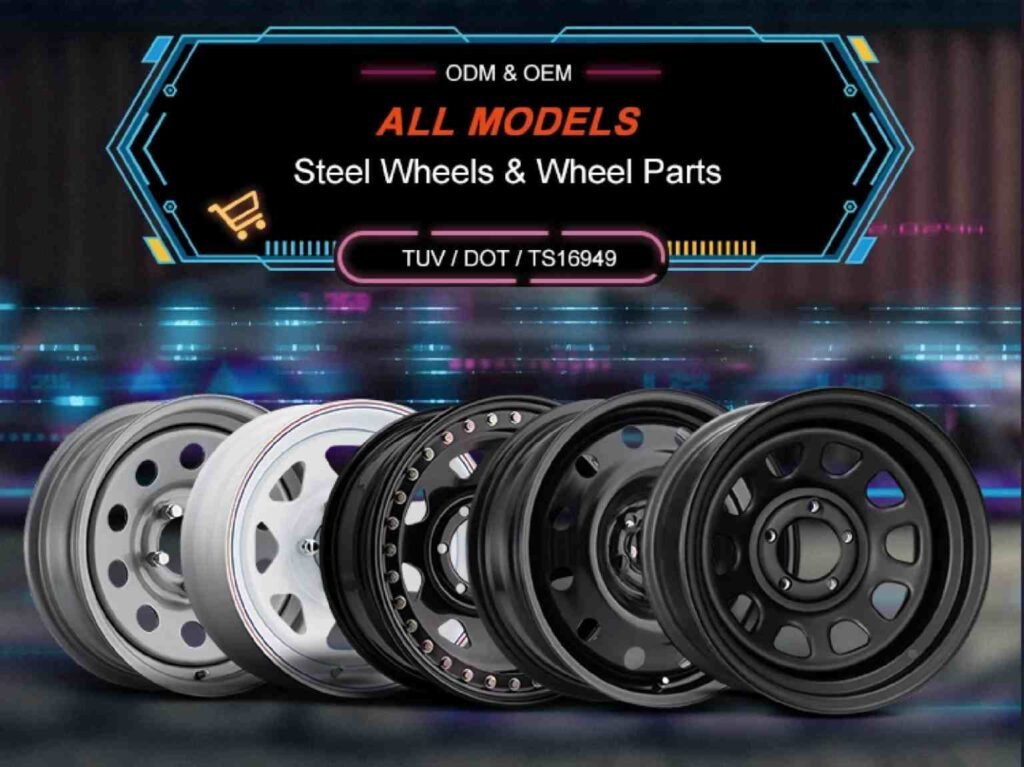
Custom rims can be affordable or expensive, depending on their material, size, manufacturing process, and design. Basic steel wheels may cost $50–$200 each, while premium forged aluminum wheels can cost several thousand dollars per wheel.
The best way to judge the cost is to compare the upfront price, installation expenses, performance requirements, and long-term value. This guide explains typical custom rim prices, what affects them, and how to choose wheels that fit your budget and vehicle.
Key Takeaways
- Custom rim prices range from budget-friendly steel and cast wheels to premium forged designs.
- Material and manufacturing method are major factors affecting wheel cost.
- Tires, mounting, balancing, and other installation services add to the total budget.
- Bolt pattern, offset, and load rating must match your vehicle.
- More expensive wheels are not automatically the best choice for every driver.
Are Custom Rims Expensive?
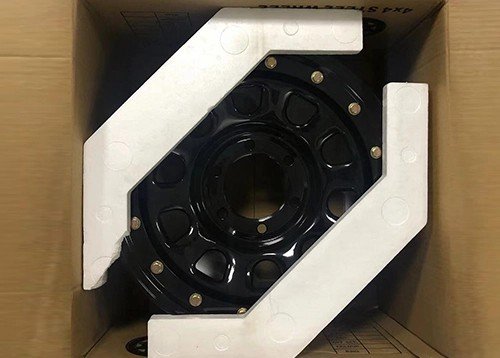
Custom rims cover a wide price range. Steel wheels and entry-level cast aluminum wheels are generally more affordable, while flow-formed and forged wheels typically cost more because of their manufacturing processes and performance characteristics.
Typical Price Ranges for Custom Rims
The following figures are indicative examples. Actual prices vary by wheel diameter, brand, finish, specifications, and seller.
| Wheel Type | Indicative Price | Typical Characteristics |
|---|---|---|
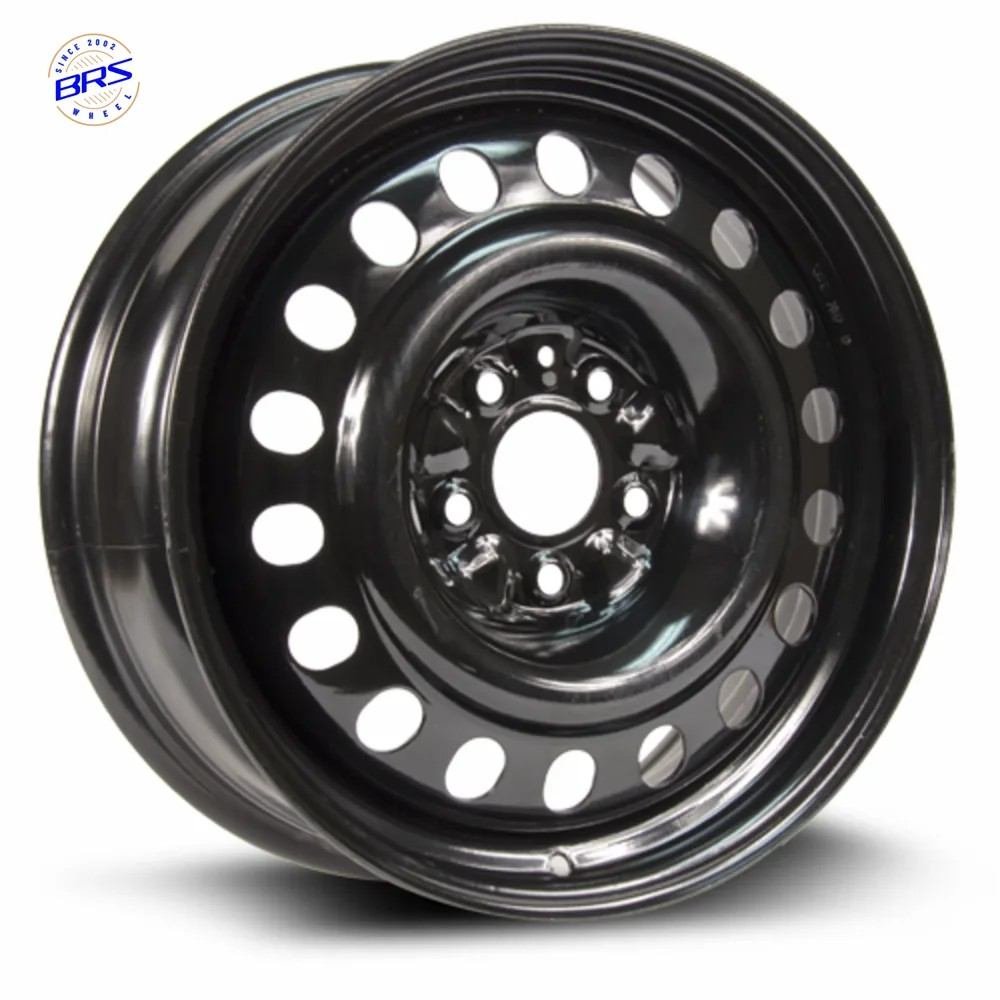
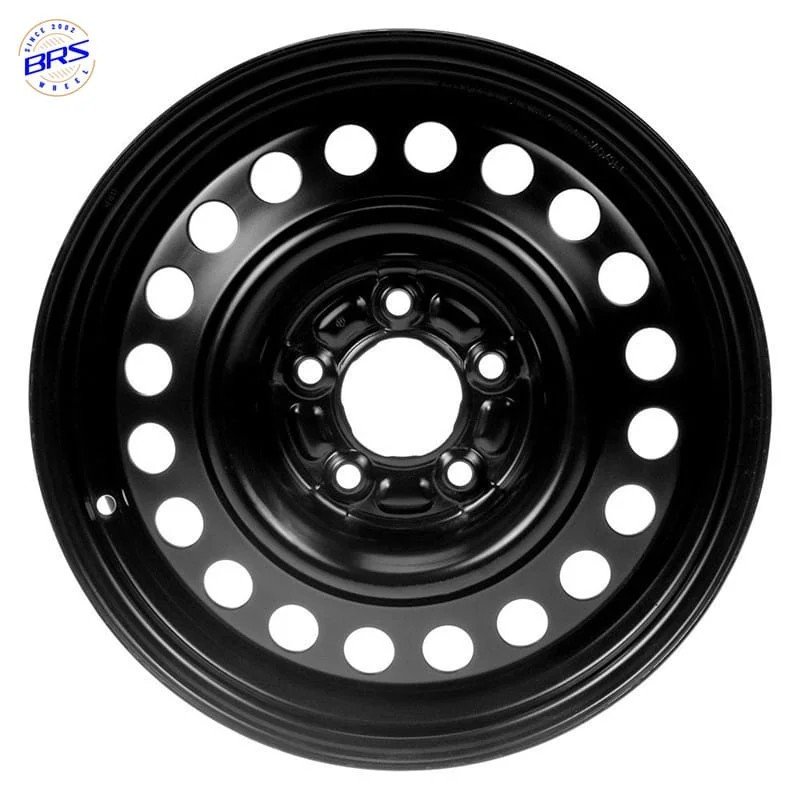
| Basic steel wheels | $50–$200 per wheel | Simple construction and budget-friendly replacement |
| Entry-level aftermarket set | $300–$600 for four | Budget-oriented cast wheels |
| Entry-level cast aluminum set | $800–$1,300 for four | More design and finish options |
| Flow-formed set | $1,400–$2,200 for four | A balance of weight, strength, and cost |
| Premium forged wheels | Several hundred to several thousand dollars per wheel | Higher manufacturing costs and extensive customization options |
These categories are not directly interchangeable: a price for one wheel should not be compared with a price for a complete set. Confirm the number of wheels included before comparing quotes.
Budgeting for Custom Wheels
The wheel price is only part of the total cost. Depending on your vehicle and setup, you may also need to budget for:
- Tire mounting and balancing
- Wheel alignment, when required
- TPMS sensors or recalibration
- Spacers or adapters, if approved and necessary
- Shipping, taxes, and installation labor
Request an itemized quote that covers the complete setup. Confirming fitment before ordering can also help prevent return shipping costs and unnecessary labor.
Factors That Affect Custom Wheel Pricing
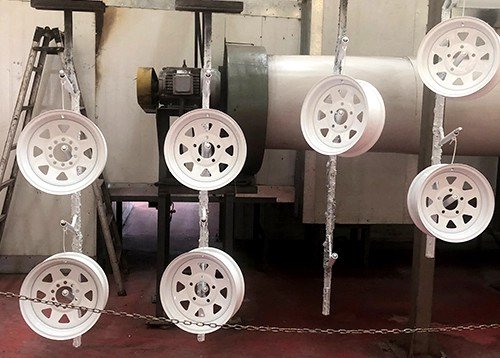
Materials and Manufacturing Process
Material and manufacturing method have a major influence on wheel pricing.
- Steel wheels: Often economical and practical for utility-focused applications, though generally heavier than comparable aluminum wheels.
- Cast aluminum wheels: Made by pouring molten aluminum into a mold. Casting supports a wide range of designs and is commonly used for cost-effective production.
- Flow-formed wheels: Typically start with a cast center, while rollers shape and stretch the barrel. This process can improve strength-to-weight characteristics compared with conventional cast designs.
- Forged aluminum wheels: Formed from a solid aluminum billet under high pressure and then machined. Their manufacturing process can support lightweight, high-performance designs, but adds equipment and machining costs.
Forged wheels often cost substantially more than cast wheels, although the exact price difference depends on the design, specifications, and wheel manufacturer. No manufacturing method guarantees that a wheel will suit every application; the load rating and relevant test results still matter.
Size, Design, Brand, and Finish
Larger wheels may require more material and additional processing. Complex spoke patterns, custom offsets, multi-piece construction, and specialized finishes can also increase production costs.
Brand positioning and distribution expenses may influence retail pricing, but a higher price alone does not prove better quality. Compare specifications, warranty terms, test documentation, and application suitability instead of relying on brand reputation alone.
Custom Rims vs. Stock and Aftermarket Wheels
Upfront Cost and Performance
Stock wheels are designed for the original vehicle configuration and are often a straightforward choice for daily driving. Aftermarket wheels offer more options in appearance, size, and performance characteristics, while custom wheels can accommodate more specific design or fitment requirements.
| Option | Main Advantage | Main Consideration |
|---|---|---|
| Stock wheels | Original-equipment fitment and familiar specifications | Fewer customization options |
| Aftermarket cast wheels | Broad selection and accessible pricing | Quality and specifications vary by product |
| Flow-formed wheels | Potential balance of weight and strength | Usually cost more than entry-level cast wheels |
| Forged custom wheels | Greater design flexibility and potential weight savings | Higher upfront cost |
Wheel weight can affect unsprung mass and rotational mass, but the actual effect depends on the wheel, tire, and vehicle. Likewise, durability depends on design, materials, load rating, manufacturing quality, and operating conditions—not price alone.
Fitment and Compatibility
Before buying custom rims, verify these specifications:
- Bolt pattern: The number of mounting holes and the spacing between them must match the vehicle.
- Offset: Determines how the wheel sits relative to the hub and affects clearance.
- Center bore: Must be compatible with the vehicle’s hub.
- Load rating: Each wheel must support the required load for its application.
- Brake and suspension clearance: The wheel must clear the vehicle’s components throughout normal operation.
Changing wheel dimensions can affect handling, tire clearance, and other vehicle systems. Follow the vehicle and wheel manufacturers’ specifications, and check local requirements where applicable. Do not assume that adapters or a particular offset are safe without verifying the complete setup.
Are Custom Rims Worth the Investment?
Durability and Long-Term Value
Custom rims may be worth the extra cost when their specifications provide a clear benefit for your driving needs. For example, a suitable lightweight wheel may appeal to a performance-focused driver, while a simple steel wheel may be more practical for a utility vehicle.
Forged wheels can offer favorable strength-to-weight characteristics, but they are not automatically more durable in every impact scenario. Construction, design, load rating, road conditions, and proper maintenance all affect service life.
Maintenance and Potential Resale Value
Custom wheels do not guarantee a higher resale price. Their resale value depends on brand, condition, fitment, appearance, and buyer demand. Highly specialized designs may appeal to a smaller group of buyers than standard wheels.
Maintenance also affects long-term cost. Clean wheels with compatible products, inspect them for cracks or impact damage, and address finish damage or corrosion according to the manufacturer’s guidance. Keep the original wheels when possible, particularly if you may return a leased vehicle to its original configuration.
Frequently Asked Questions
Do Custom Rims Cost More Than Stock Wheels?
Not always. Basic aftermarket wheels can cost less than original-equipment replacement wheels purchased through a dealer. Premium forged wheels and specialized custom designs generally cost more. Compare prices on the same per-wheel or full-set basis.
What Drives Custom Wheel Pricing the Most?
Material and manufacturing method are major cost factors. Wheel size, design complexity, finish, brand, and customization requirements also influence the final price.
Are Expensive Custom Wheels Worth It for Daily Driving?
It depends on your priorities. Stock or reasonably priced aftermarket wheels may be sufficient for everyday use. More expensive wheels may be worthwhile if their verified specifications meet a specific performance or design requirement.
What Hidden Costs Should Buyers Budget For?
Potential extra costs include tires, mounting and balancing, installation labor, alignment when needed, TPMS equipment, shipping, and taxes. Ask for a complete quote before making a decision.