
Wider ATV wheels can help make riding more stable. The wheels you pick are important for ATV safety and how it works. Many ATV Wheel Manufacturers make steel ATV rims to be strong and last long. BRS WHEEL has steel ATV rim choices for many types of ground and uses. Riders sometimes pick black chrome wheel rims for their look and extra safety.
Key Takeaways
Wider ATV wheels make the ATV more stable. They lower the center of gravity. This helps you control the ATV on bumpy ground.
You must check tire pressure and alignment after adding wider wheels. This keeps the ATV safe and easy to drive.
Steel ATV rims last a long time. They also help the tires grip better. This makes them a good pick for off-road riding.
Wider wheels help the ATV grip soft ground. They stop the ATV from sinking in mud or sand.
Pick the right wheel width for how and where you ride. This helps you stay safe and get the best performance.
Do wider ATV wheels make ATVs more stable?

How wheel width affects stability
Wider wheels can change how an ATV feels on the trail. When the wheels have more width, the ATV sits lower and spreads its weight over a larger area. This lower center of gravity helps the ATV stay upright, especially when turning or riding on uneven ground. The bigger contact patch between the tires and the earth gives the ATV more grip. Riders notice that their vehicles do not tip as easily, even when they take sharp corners or ride over bumps. The extra traction from wider wheels makes the ATV safer and easier to control. Many experts agree that stability improves when the wheels cover more ground.
Tip: Riders should always check their tire pressure after installing wider wheels. Proper inflation helps keep the ATV balanced and safe.
The impact on ATV handling
Changing the wheels on an ATV can affect how it handles. Some riders report that their front tires look misaligned after switching to wider wheels. They see the tires pointing in different directions, which can make steering feel strange. Others say that the new tire size makes old alignment problems easier to spot. One rider found that changing tires did not cause misalignment but made it more obvious. Checking the alignment after installing wider wheels helps keep the ATV steering straight.
Wider wheels may highlight alignment issues that already exist.
Some riders notice their tires seem off-center after the change.
Alignment checks are important after changing wheels to keep the ATV safe.
Wider wheels can make the ATV feel more stable, but they also require careful setup. Riders who pay attention to alignment and tire pressure enjoy better control and safer rides.
Steel ATV rims and stability
Steel vs aluminum rims
Picking the right rim material can change how your ATV works. Many people look at steel ATV rims and aluminum rims before they buy. Here is a table that shows the main differences:
Feature | Steel Rims | Aluminum Rims |
|---|---|---|
Durability | Very strong, not easy to crack | Can crack more easily if hit hard |
Repairability | Simple to fix, can be hammered back | Hard to fix, often needs to be replaced |
Weight | Heavier, makes the ATV tough | Lighter, helps the ATV go faster and saves fuel |
Steel ATV rims are strong and work well on rough trails. They bend instead of breaking, so the ATV stays safe if you hit something hard. Aluminum rims might crack if they hit rocks or other things. People who want their rims to last a long time often pick steel ATV rims.
Why choose steel ATV rims
Steel ATV rims have many good points for stability and performance. Tests show these rims can take hard hits. They bend but keep the tire sealed and the ATV steady. Aluminum rims sometimes crack and lose air.
Steel ATV rims make the ATV heavier, which helps with grip and control on rough ground.
The strong build takes in shocks from bumps and rocks, so the ride feels smoother.
Many people trust steel ATV rims for off-road trips because they work well in tough places.
BRS WHEEL makes steel ATV rims with smart engineering. The table below shows features that help with stability:
Feature | Contribution to Stability |
|---|---|
Lightweight construction | Helps the ATV speed up and turn easily |
Rugged durability | Makes sure the ATV works on many types of ground |
Advanced coating processes | Stops rust and wear from hurting the rims |
BRS WHEEL has many steel ATV rims for different ATVs and places to ride. Their rims are strong, well-designed, and last a long time. People who want safe and high-performing ATVs often choose steel ATV rims from BRS WHEEL.
Performance benefits of wider wheels
Traction and grip improvements
Wider wheels give an ATV a bigger footprint. This change helps the vehicle stay on top of soft ground like sand or mud. Riders see that the ATV does not sink as much because the weight spreads out. The tires touch more of the ground, which means better grip. Deep-lug tread patterns on wide tires dig into soft terrain and help the ATV move forward. Field studies show that wider tires work well in wet or muddy places. The ATV keeps moving and does not get stuck easily.
Wider tires help the ATV float over soft ground.
The larger contact area improves grip and control.
Deep tread patterns boost traction in mud and sand.
Note: Riders who choose wider wheels often notice smoother handling and less slipping on tricky surfaces.
Safety on rough terrain
Wider ATV wheels improve safety when the ground gets rough. The vehicle sits higher with larger-diameter tires, which increases ground clearance. This change helps the ATV avoid rocks and bumps. The wider stance lowers the risk of tipping over. Riders feel more confident because the ATV stays steady, even on uneven trails. Wider wheels also help with acceleration and braking. The ATV stops faster and starts moving quicker because the tires grip the ground better. The improved flotation keeps the ATV from sinking in soft spots, so riders can keep going without trouble.
Many experts say that wider wheels boost performance in tough conditions. Riders see better stability, more control, and safer rides. The ATV handles rough terrain with ease, giving users peace of mind.
Drawbacks of bigger tires and wheels
Handling and steering changes
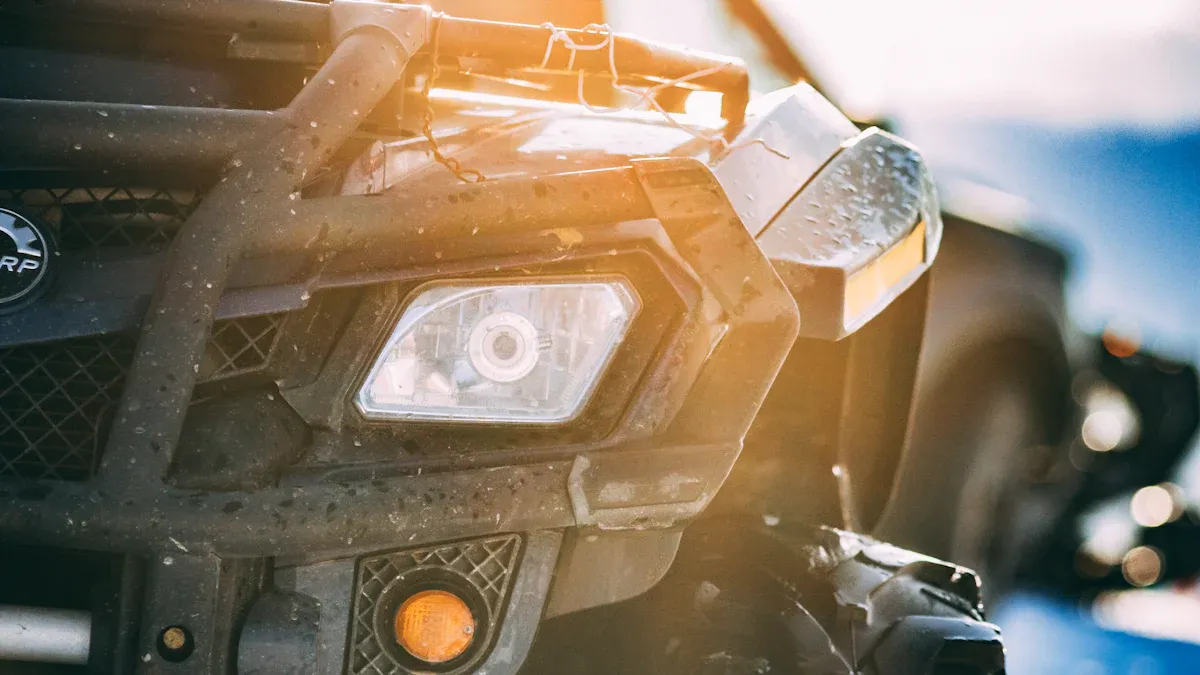
Bigger tires can change how an atv feels when riding. Many riders notice that their atv does not handle as well with bigger tires. The larger diameter gives more ground clearance, but it also makes steering harder. The atv may feel heavier and slower to respond. Riders often find that bigger tires increase rolling resistance, which means the atv needs more power to move. This can make the ride less smooth and use more fuel.
A taller tire has the advantage of taller ground clearance and will also roll over objects easier due to the larger diameter, but it will not handle nearly as well as a smaller MX tire or in your case even a smaller XC tire. There is simply nothing you can do to get a 25″ tire to handle like a 21″ tire. You can do some stuff to help, but it wont be the same. On top of this a larger tire will have more rolling resistance and it will also just be plain heavier, which in turn eats horsepower. There is a reason you dont see pro XC guys running these tires.
If the front end of the atv sits lower than the rear after installing bigger tires, handling can become unsafe. The front end should stay slightly higher for better control. Riders should check the balance of their atv after changing tire size.
Having your front end raked down like that will result in poor handling and can actually be unsafe when landing a jump or going down a straight-away. The front end should always be slightly higher than the rear.
Mechanical stress and wear
Bigger tires put more stress on the atv’s mechanical parts. The extra weight and size transfer more force to the suspension and chassis. Engineering studies show that loads from bigger tires move through the upright system and into the frame. If the atv is not designed for these loads, parts can wear out faster.
Loads from bigger tires are transferred to the upright system.
Proper design and force calculations are crucial to withstand these loads.
Forces generated in the links of the upright are transmitted to the chassis through the tires.
The table below shows how rim offset affects mechanical stress:
Rim Offset Type | Mechanical Stress (Nm) | Performance Under High Moments |
|---|---|---|
Positive Offset | Up to 1620 | Higher stress |
Central/Negative | Lower | Better performance |
Bigger tires also increase strain on suspension components, which can lead to faster wear. Even small changes in tire size affect suspension geometry and drivetrain load. Accurate tire sizing helps keep ride quality and drivetrain life longer. Proper suspension tuning is necessary when using bigger tires to maintain a smooth ride.
Choosing the right wheel width
Matching wheels to riding style
Riders pick wheel width based on how they use their ATV. Some want a wide stance for off-road trips. Others choose setups for racing or work. Professional mechanics suggest features for better stability:
Negative offset rims move wheels outward and help with handling.
Lower backspacing pushes wheels out and makes the ATV wider.
Bigger tires, from 28” to 35”, give more ground clearance.
Wide stance offsets help ATVs with independent rear suspension stay steady.
Wider setups make more tire touch the ground and lower the chance of tipping.
People who add bigger tires see these changes. The ATV feels safer and steadier, especially on rough trails. Riders should think about what they do most before picking wheel width. Racing setups use narrow wheels for fast turns. Trail and utility riders like wider wheels for more control.
Terrain and manufacturer tips
Terrain matters a lot when picking ATV wheels. Riders should look at a few things for different places:
Tire construction, like radial or bias, changes comfort and how long tires last.
Wheel size and type should fit the ground, like mud, sand, or rocks.
Wheels must fit the ATV model for safety.
Budget is important since some wheels cost more.
Some tires work best for certain places, like mud tires for wet ground.
Manufacturers give tips to help riders choose well. BRS WHEEL fitment guides show wheel width, measured from bead seat to bead seat, is usually 7″ to 10″. This size affects how tires fit and how the ATV works. Riders who want bigger tires should check these guides for the best width. Talking to experts or using BRS WHEEL’s resources helps avoid mistakes and keeps rides safe.
Tip: Always check fitment guides and ask experts before changing wheel width. Picking the right size makes the ATV safer and more stable.
Wider ATV wheels and steel rims help most riders stay stable. Steel rims from brands like BRS WHEEL work well on rough ground. Riders need to think about good points and possible problems with handling and wear. The best wheel choice depends on how and where you ride.
Experts say to look at fitment guides and ask professionals before you change anything.
FAQ
What makes wider ATV tires more stable?
Wider ATV tires spread the vehicle’s weight over a larger area. This helps the ATV stay upright on uneven ground. Riders notice less tipping and more control. The extra surface area gives the tires better grip, especially when riding through mud or soft terrain.
Do wider tires help with better traction in mud?
Yes, wider tires offer better traction in mud. The larger contact patch lets the tires dig into soft ground. Riders see less slipping and more forward movement. This helps the ATV avoid getting stuck when crossing muddy trails or wet fields.
How do steel rims affect ATV performance?
Steel rims add strength and durability to the ATV. They help the tires stay sealed during rough rides. Riders trust steel rims for off-road adventures. The heavier weight of steel rims improves stability and helps the tires grip the ground, especially in mud.
Can wider tires cause problems with steering?
Wider tires may make steering feel heavier. Some riders notice slower response when turning. The ATV might need more effort to change direction. Checking alignment after installing wider tires helps keep steering safe and smooth, especially when riding through mud.
What should riders consider before choosing new tires?
Riders should think about their main riding terrain. Mud, sand, and rocks need different tires. They should check fitment guides and talk to experts. The right tires improve safety and performance. Riders who pick tires for mud see better traction and less risk of getting stuck.
Tip: Always check tire pressure before riding. Proper inflation helps tires work well in mud and other tough conditions.