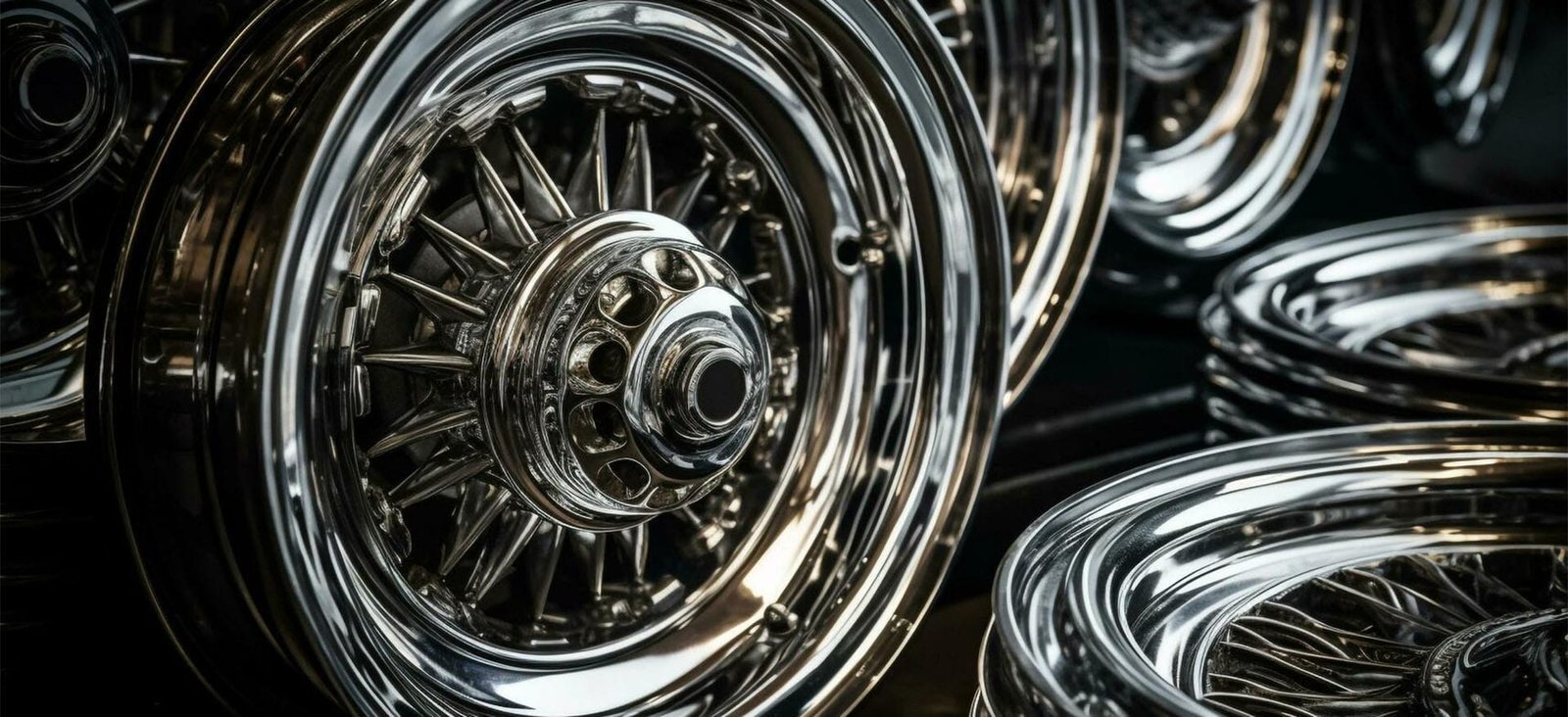
Genuine factory wheels are more expensive than other wheels for many reasons. Manufacturers use superior engineering and high-quality materials. They must adhere to special regulations, and production is limited. The higher price is also due to warranty service and brand recognition. Many people perceive these wheels as representing good quality and reliability. Consumers are willing to pay a higher price for greater safety and performance.
- Superior Engineering
- High-Quality Materials
- Special Regulations
- Limited Production
- Warranty Service
- Brand Recognition
Key Takeaways
- OEM wheels are expensive because they are made with meticulously crafted and durable materials. These materials contribute to your safety and ensure excellent vehicle performance. Strict safety regulations and extensive testing guarantee the safety of genuine factory wheels. Therefore, you can trust them. People are familiar with genuine factory wheel brands, so they are perceived as high-quality and durable. The brand itself gives them higher value, allowing them to retain their value. People believe that owning these wheels signifies that your car is high-performing and durable.
OEM wheels Engineering
Design and Testing
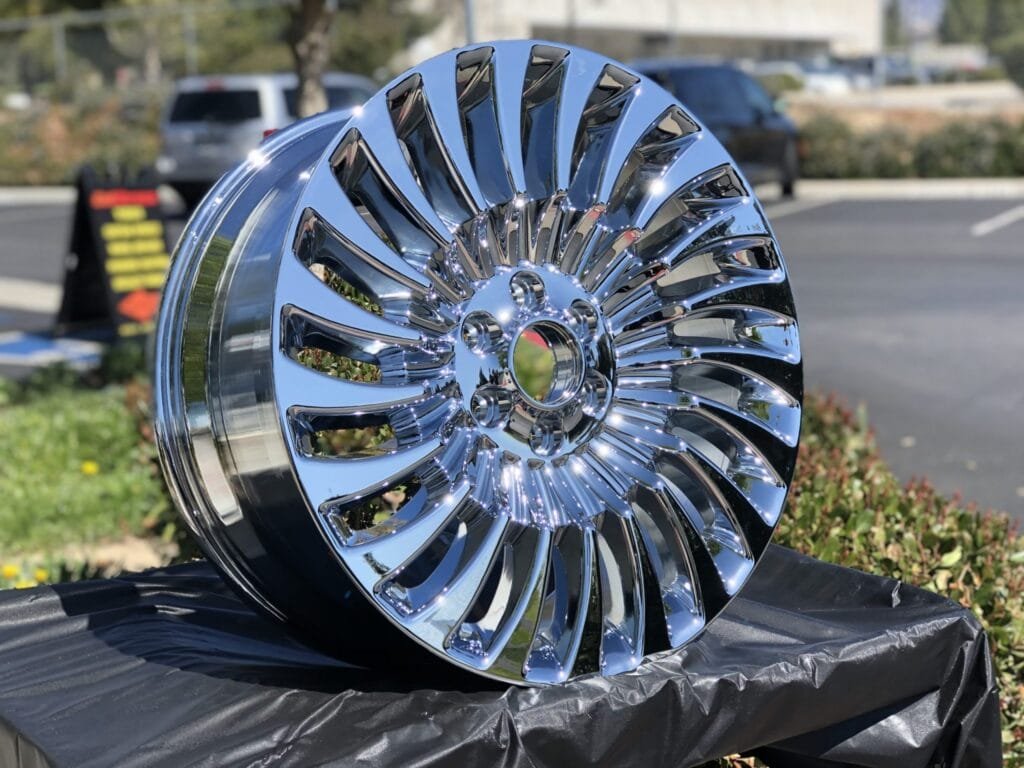
Engineers manufacture original equipment (OEM) wheels for specific car models. They use computer models to study how the wheels work, resulting in precisely shaped wheels. The bolt hole spacing, offset, and dimensions of OEM wheels are perfectly matched to each vehicle. These details ensure the wheels work in harmony with the suspension and braking systems.
Testing is crucial for OEM wheels. After manufacturing the first batch of wheels, engineers conduct numerous tests to verify their ability to withstand impacts, stress, and corrosion. The table below lists some common tests:
| Testing Protocols | Description |
|---|---|
| Stress Testing | Checks if the wheel can take strong forces. |
| Impact Resistance Evaluation | Sees if the wheel can handle sudden hits. |
| Corrosion Resistance Trials | Tests if the wheel lasts against weather. |
| Real-World Durability Assessments | Pretends long use to make sure the wheel works. |
These tests aim to prevent wheel damage and help them meet stringent regulatory requirements.
Safety Standards
Safety is paramount in the manufacturing process of OEM wheels. The company must comply with standards such as SAE, JWL, VIA, and TÜV. They conduct high-intensity impact and fatigue tests to ensure wheel safety. Engineers use strain tests and burst tests to assess safety levels.
The table below compares the safety regulations for original equipment (OEM) wheels and aftermarket wheels:
| Testing Type | OEM Wheels Standards | Aftermarket Wheels Standards |
|---|---|---|
| Fatigue Testing | Radial and Cornering Test | Not specified |
| Impact Testing | 13-degree side impact test (SAE J175) | Not specified |
| Hydrostatic Burst Testing | Water jets check safety margin | Not specified |
| Strain Gauging / Stress Analysis | Special strain checks | Not specified |
| Dimensional Checks | Follows Tire and Rim Association rules | Not specified |
| Metallurgical Testing | Looks at steel and aluminum wheels | Not specified |
| Coatings Analysis | ASTM B117, ASTM D3170 | Not specified |
| Standards Compliance | Must meet ASTM and ISO rules | Often not done |
Our company strictly adheres to strength and performance regulations when manufacturing OEM wheels. This ensures driver safety and extends the wheel’s lifespan.
OEM wheels: Quality and Cost
Materials and Manufacturing
Manufacturers select robust and durable materials for OEM wheels. Aluminum alloys are commonly used in high-end vehicles. Steel, being cheaper, is also frequently used in many original equipment (OEM) wheels. Each wheel’s surface treatment provides additional protection and aesthetics. Some surface treatments include silver paint wheel, black powder coating wheel, and chrome plating wheel. These treatments help prevent rust and make the wheels look better.
| Material Type | Description |
|---|---|
| Aluminum Alloy | Used in higher trim vehicles. |
| Steel | Cheaper option for OEM wheels. |
| Finishes | Painted silver, charcoal, hyper silver, powder coated black, CNC machined, polished, PVD, and chrome. |
Manufacturing OEM wheels requires specialized equipment and rigorous inspection processes. Robots and machines are responsible for the wheel’s forming and surface treatment. Powder coating protects the wheel and adds color. The cost of powder coating for each wheel ranges from $98 to $130. The price depends on the wheel size, machine costs, and labor time. The company invests in ensuring the strength and lifespan of the wheels.
| Coating Type | Cost Range (per rim) | Factors Affecting Cost |
|---|---|---|
| Powder Coating | $98 – $130 | Condition, size, structure, machine costs, labor time |
Note: Using premium materials and advanced equipment will increase the cost of OEM wheels, but it will also make them safer and perform better.
Certification and Compliance
Original equipment (OEM) wheels must undergo rigorous testing before being sold. These tests ensure the wheels are safe and reliable. The CAPA 901 standard checks the wheel’s manufacturing process and appearance. The SAE J2530 standard tests the wheel’s strength and safety. Japanese standards such as JWL and JWL-T also require strict testing. VIA certification indicates that the wheel has been tested by a Japanese certification body.
| Certification | Description |
|---|---|
| CAPA Standard 901 | Checks quality, performance, markings, materials, size, and looks to match OEM parts. |
| SAE Standard J2530 | Tests for strength and safety with fatigue and impact checks. |
| JWL | Japanese rule for alloy wheels with tough tests. |
| JWL-T | Extra rules added to JWL for more checks. |
| VIA | Shows wheels were tested by the Vehicle Inspection Association in Japan. |
Manufacturers adhere to these standards to ensure driver and vehicle safety. Certification requires more time and money, but it ensures the strength and reliability of original factory wheels.
OEM Wheels vs Aftermarket
Fit and Compatibility
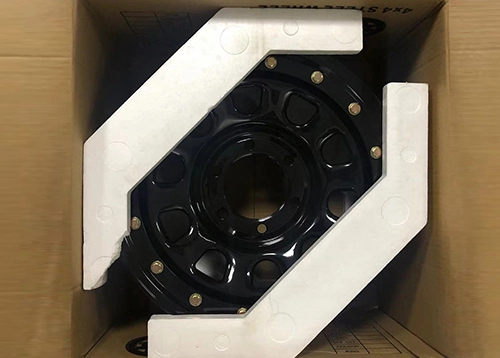
Compatibility and fit are crucial when choosing wheels. Original factory wheels are designed to perfectly match the vehicle; bolt hole spacing, offset, and center bore are all identical to the vehicle, ensuring a perfect fit with the brakes and suspension system.
Aftermarket wheels come in a variety of styles and sizes. Some car owners choose larger wheels for aesthetics, while others opt for lighter wheels to improve handling. Not all aftermarket wheels are a perfect fit. Problems can arise if the size or offset is incorrect.
- Wheels and tires work together to affect vehicle performance.
- Choosing the right aftermarket wheels can help improve vehicle handling and grip.
- Larger rims typically require tires with thinner sidewalls, which can result in increased road noise and a more pronounced bumpy ride.
- Ill-fitting rims can cause friction against suspension components, leading to damage.
- Changing rim offset affects suspension and chassis components, potentially causing friction during vehicle operation.
- Larger tires can cause inaccurate speedometer readings.
- Even minor changes in tire size can cause friction.
- To avoid problems, drivers should keep rim sizes as close to factory specifications as possible. Tire experts can help you find the optimal size.
Factory rims make everything simpler. They fit perfectly and contribute to vehicle safety.
Performance and Safety
Performance and safety are key reasons why people choose factory rims. These rims undergo rigorous testing before being sold. They must meet U.S. Department of Transportation (DOT) and Society of Automotive Engineers (SAE) standards. Factory rims also adhere to stringent strength and durability testing rules.
Over time, the quality of aftermarket rims has also improved. Many products now meet the standards of the U.S. Department of Transportation (DOT) and the Society of Automotive Engineers (SAE). High-quality replicas are safe and reliable. Some low-quality wheels may fail all tests.
| Feature | OEM Wheels | Aftermarket Wheels |
|---|---|---|
| Performance Standards | DOT and SAE certified | Must meet DOT and SAE standards |
| Testing Protocols | Rigorous testing protocols | Tested for radial fatigue, cornering, and impact resistance |
| Warranty | Typically limited | Lifetime structural warranty |
In the early 21st century, some imported wheels posed safety hazards. Today, more comprehensive regulations and testing measures have improved the quality of aftermarket wheels. High-quality aftermarket wheels offer good safety and performance.
Tip: When purchasing aftermarket wheels, always check their certification information. This helps ensure the safety and quality of the wheels.
Cost Differences
The price difference between original equipment (OEM) wheels and aftermarket wheels is obvious. OEM wheels are more expensive due to their rigorous design, strict testing, and brand value. Aftermarket wheels vary widely in price, some being cheaper, while others are the same price as or even more expensive than OEM wheels.
| Item | OEM (Est.) | Aftermarket (Est.) | Notes |
|---|---|---|---|
| Wheel set (4) | $1,200–$3,200+ | $700–$2,500+ | Construction, brand, and finish drive price more than size. |
| Lug hardware | Usually included | $30–$120 | Correct seat type and thread pitch are critical. |
| Hub-centric rings | N/A | $10–$40 | Only if wheel center bore is larger than hub. |
| TPMS (sensors/service) | $0–$320 | $0–$320 | Reuse or replace. We program/learn sensors as needed. |
| Mount/balance | $0–$160 | $0–$160 | Included with Wheel & Tire Packages. |
| Alignment (if needed) | $0–$140 | $0–$140 | Recommended when changing size/offset or after suspension work. |
The price of original wheels includes hardware and sensors. Aftermarket wheels may require additional parts, such as center rings or special nuts. These will increase the total cost. The price of original wheels reflects the engineering, quality, and support behind them.
Note: Buyers should consider the total cost, not just the price of the wheels. This helps avoid unexpected charges and ensures you get the best value for your money.
Alternatives to OEM Wheels
Aftermarket Options
Many drivers want some options beyond the original wheels. Aftermarket wheels offer a wide range of choices. One can choose from various designs, colors, and finishes. Some wheels are designed for racing or off-road. Some wheels focus on appearance or comfort. Aftermarket wheels may be cheaper than factory-installed wheels. Some high-quality wheels are more expensive. These wheels often use lightweight materials, which helps improve vehicle handling and braking performance. Some brands produce wheels that are significantly lighter than factory alloy wheels. Lighter wheels help improve vehicle acceleration and steering performance. Drivers can adjust the wheel size, width, and offset to their needs.
- A variety of styles and finishes are available.
- Custom sizes and colors are available.
- Lightweight wheels help improve vehicle performance.
- Some wheels are designed specifically for harsh road conditions.
| Type of Wheel | Advantages | Disadvantages |
|---|---|---|
| OEM Wheels | Perfect fit, warranty, reliable | Few styles, heavier, higher price |
| Aftermarket Wheels | Many designs, lighter, customizable | May not have warranty, fit problems, high price for good rims |
Steel Wheels and Brands
Steel wheels are robust and durable, suitable for driving on rough roads. Brands like BRS produce high-quality wheels for many vehicle models. BRS has been producing steel wheels since 2002. Their factory is large-scale, producing a large number of wheels annually. BRS is IATF 16949 certified, meaning their wheels meet stringent quality standards. BRS steel wheels perform exceptionally well in cold weather and on rough roads, offering greater wear resistance than alloy wheels. Owners can choose custom sizes, colors, and finishes. BRS sells steel wheels for sedans, trailers, and SUVs.
- BRS Steel Wheels: Robust and Durable
- Ideal for Heavy-Duty and Off-Road Driving
- Custom Colors and Sizes Available
- Certified for Superior Quality and Safety
When to Choose OEM
Original equipment wheels should be chosen for a perfect match and original equipment warranty. These wheels are best suited for daily driving and maintain the vehicle’s original appearance. Aftermarket wheels and steel wheels are suitable for special needs. Steel wheels are suitable for rough roads and heavy-duty environments. High-quality wheels from reputable brands combine safety and style. Owners should consider their needs, budget, and driving habits before choosing wheels.
Tip: Always check the certification information and compatibility of new wheels before purchasing. This helps ensure the safe operation of your vehicle.
OEM wheels Warranty and Brand Value
Warranty Support
Original equipment (OEM) wheels typically come with a manufacturer’s warranty. This warranty helps if there are issues with the wheel’s materials or manufacturing process. Owners feel reassured by the company’s commitment to addressing these problems. Warranty rules for aftermarket wheels differ. If you replace your wheels or use custom wheels, the warranty may expire. This can lead to disputes about who should bear the repair costs. The table below lists the differences in warranties between OEM and aftermarket wheels:
| Type of Wheels | Warranty Coverage | Notes |
|---|---|---|
| OEM Wheels | Usually have a warranty from the maker. | Fixes problems with materials or how they are made. |
| Aftermarket Wheels | Warranty rules are different for each company; changes can hurt your warranty. | Custom wheels can cause problems if the maker does not approve them. |
Comprehensive warranty services lead to greater customer satisfaction. Owners trust their wheels because they meet stringent warranty standards. A lifetime warranty on powder coatings signifies a company’s commitment to product quality. Companies that adhere to OEM standards help ensure vehicle safety and optimal performance. These factors contribute to increased trust and affection for the company.
- Warranty support gives car owners peace of mind.
- A lifetime powder coating warranty reflects the company’s care.
- Following original factory specifications makes cars safer and customers more satisfied.
Brand Perception
Brand perception refers to people’s opinions of a brand. It influences the price people pay for OEM wheels. Well-known brands command higher prices because people perceive them as better. Even if other wheels are cheaper, many people will choose well-known brands. Good advertising can make a brand stand out and showcase its value. Advertising that emphasizes quality encourages people to pay a higher price.
- Well-known brands command higher prices because people trust them.
- Good advertising can make a product stand out and appear more valuable.
- Advertising that emphasizes quality encourages people to pay a higher price.
Brand reputation also affects the future value of a car. Well-known brands like GMC hold their value better. Cars from trusted brands are more popular and therefore command higher prices. Buyers perceive OEM wheels as a sign of superior quality and durability.
Note: Picking oem wheels can help keep your car’s value and make you happier.
OEM wheels are expensive because manufacturers invest heavily in design and safety testing. They use high-strength materials and specialized equipment in production. Limited production volume and well-known brands also contribute to the price. Consumers should choose safe, high-performance wheels that offer good value for money.
- Engineering Design & Verification
- Safety Certification & Regulatory Certification
- Materials & Manufacturing Quality Control
- Warranty & After-Sales Service
- Brand & Product Positioning
Tip: Always check if wheels are strong, fit your car, and have the right certification before you buy.
FAQ
Why are factory-installed wheels more expensive than aftermarket wheels?
Factory-installed wheels are precision-engineered, use premium materials, and undergo certified testing to verify their strength. Factory wheels typically have lower production volumes and come with a warranty. The brand itself also contributes to the higher price.
Are steel wheels like BRS a good choice?
BRS steel wheels are robust and reliable, and are IATF 16949 certified. Owners can choose custom sizes and colors. These wheels are ideal for high-intensity use. Many people choose them because they are safe and durable.
Do aftermarket wheels affect vehicle safety?
Aftermarket wheels may not fit perfectly. Incorrect size or offset can cause friction, potentially damaging the vehicle. Certified aftermarket wheels are safer. Factory wheels always fit the vehicle perfectly.
Do factory-installed wheels help maintain the vehicle’s value?
Factory-installed wheels help maintain the vehicle’s high value. Buyers trust factory-installed wheels. Vehicles equipped with factory-installed wheels typically command a higher price.
How can buyers check wheel quality before purchasing?
Buyers should check for certifications such as SAE or JWL. IATF 16949 certification is also important. They must check the wheel’s fit and materials. Warranty is equally important. Only trustworthy brands can produce reliable wheels.