Many drivers make costly mistakes when choosing rims. You risk safety and waste money if you don’t know what to avoid. Buying the wrong rims can also lead to a decrease in vehicle performance. You should learn what to avoid when buying rims to protect yourselves and your vehicles.
Smart buyers focus on safety and value, not just style.
Key Takeaways
- Always look at rim size, bolt pattern, and center bore before you buy. This makes sure the rims fit right and stops safety problems.
- Check used rims for things like cracks or bends. This helps you not spend extra money fixing them and keeps your car safe.
- Think about getting a pro to put on new rims. Experts make sure the rims fit and are balanced, which protects your money.
- Make sure your tire size matches your rims to keep your car working well. This stops problems with driving and keeps your ride smooth.
- Pick rims that work well instead of just looking cool. This keeps your car safe and helps it drive better.
Rim Size and Fitment
Understanding Rim Size and Fitment
Many buyers pick rims based on looks alone, ignoring critical dimensions like diameter, width, and offset. A rim that looks great but doesn’t match your vehicle’s specifications can cause poor handling, tire wear, and even safety hazards.
Start by checking your vehicle’s manual or the door‑jamb sticker for:
- Diameter and width – Must match the intended tire size.
- Offset – Determines how far the wheel sits in or out from the hub.
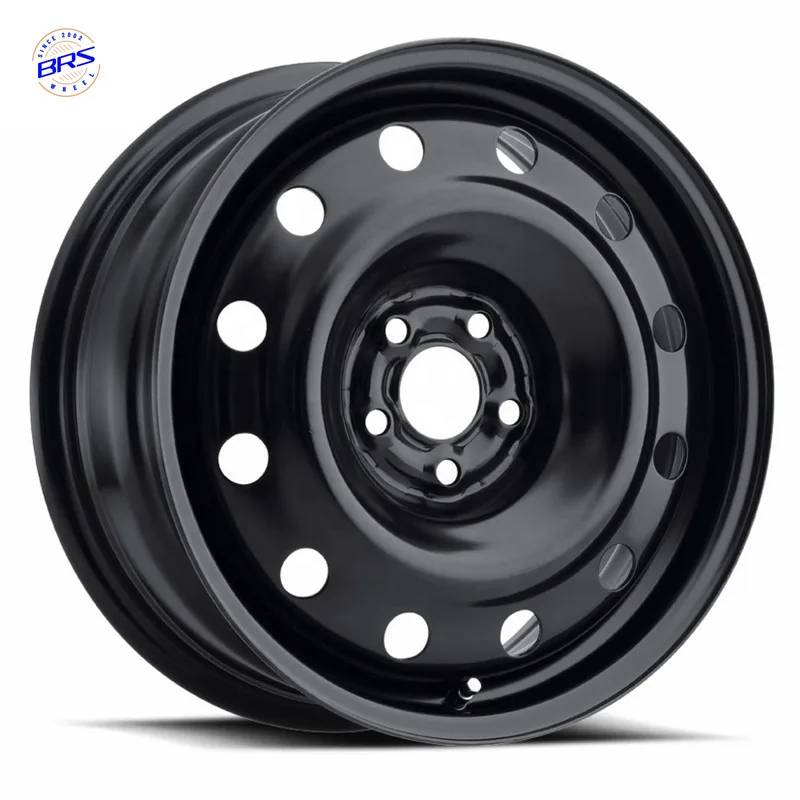
- Bolt pattern – Number of lugs and the distance between them.
- Center bore – The hole that centers the wheel on the hub.
Even a small mismatch in bolt pattern can cause vibrations; a wrong center bore leads to shaking that worsens with speed. Always verify these numbers before you buy.
Brake and Suspension Clearance
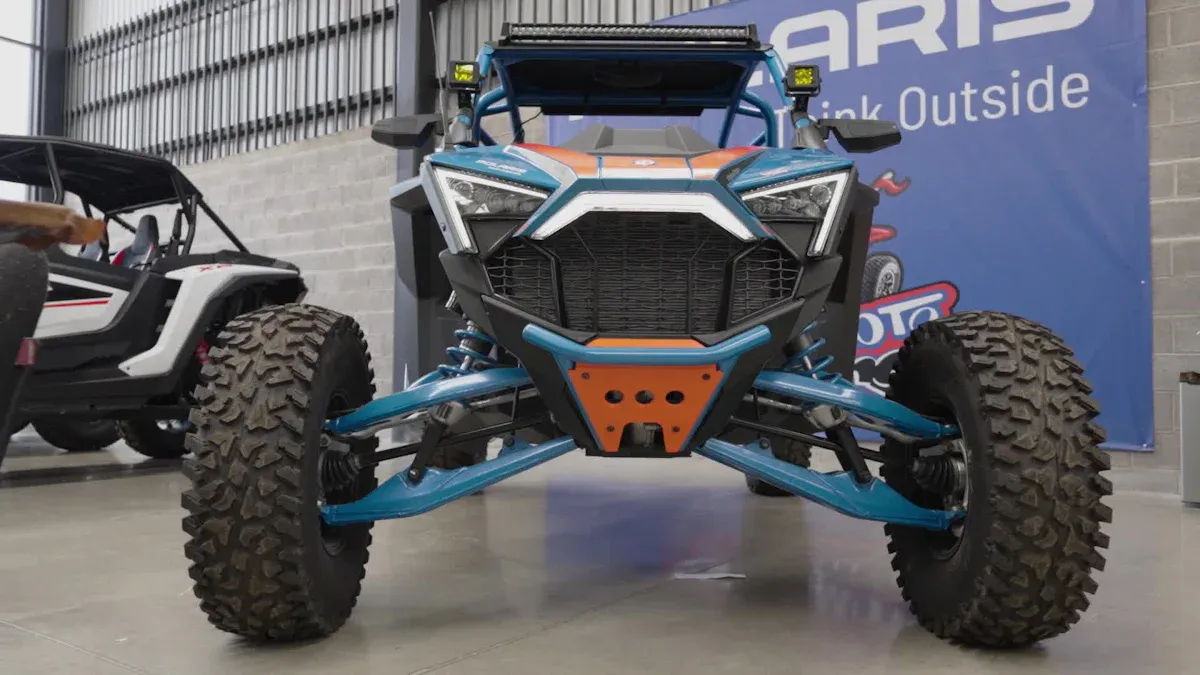
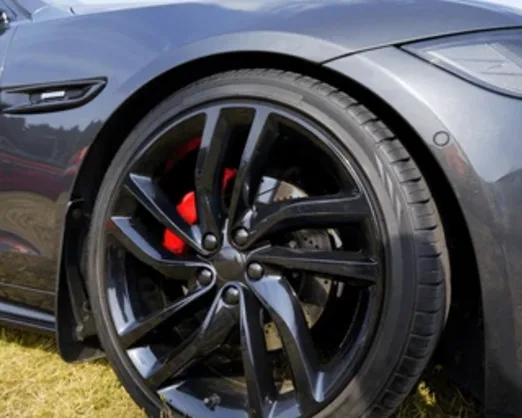
Large or aggressively styled rims may not clear your brake calipers or suspension components. If the wheel rubs against the brakes or suspension, it won’t fit—no matter how good it looks. Insufficient clearance can also cause uneven tire wear, poor handling, and damage to suspension parts, resulting in expensive repairs. Always test fit or consult a professional to confirm clearance.
Bolt Pattern Compatibility
Getting the Bolt Pattern Right
Bolt pattern (also called lug pattern) is critical. If it doesn’t match, the wheel won’t center properly, leading to:
- Vibration and poor handling
- Uneven tire wear
- Risk of wheels loosening or even coming off
To find your vehicle’s bolt pattern:
- Count the number of lug nuts.
- For even patterns (4, 6, 8 lugs), measure from the center of one lug to the center of the lug directly opposite.
- For odd patterns (5 lugs), measure from the center of one lug to the center of a point halfway between two lugs across the hub.
Check your owner’s manual or reputable online charts. Some wheels also have markings stamped on them.
Center Bore Fitment
Center bore fitment matters for rims and wheels. You need to check center bore fitment to stop vibrations. If the bore size is wrong, the wheel will not sit flat on the hub. This makes the car shake when you drive. Wrong center bore fitment can hurt rims and the hub. Driving can become unsafe if wheels are not lined up. Tires wear out faster, and accidents can happen.
You must check center bore fitment for every set of rims. Center bore fitment keeps wheels steady and safe.
Verifying Offset
Offset changes how rims fit and work. You need to check offset when buying rims. Offset moves the wheels in or out. Positive offset can make wheels rub against suspension parts. Negative offset puts extra stress on lugs and hubs. This can cause problems with keeping the car steady and makes tires wear out faster. Checking offset helps keep bolt pattern compatibility and center bore fitment correct. You protect your car by checking offset with every new set of rims.
Tip: Always check bolt pattern compatibility, center bore fitment, and offset before buying rims. This keeps wheels safe and stops expensive mistakes.
Risks of Used Rims
Used rims can save money, but hidden damage often comes with them. Many buyers skip a thorough inspection and later face costly repairs or unsafe driving conditions.
What to Look For
Curb rash – Superficial cosmetic damage is usually okay, but deep gouges can weaken the rim.
Bends – Caused by potholes or impacts; may not be visible but cause vibration.
Cracks – A serious safety risk; can lead to sudden wheel failure.
Corrosion – Especially on steel wheels; weakens structural integrity.
Lug hole wear – Enlarged or oval holes prevent proper tightening.
Wobbling – Spin the wheel to check for hidden warping.
Questions to Ask the Seller
- Why are you selling these rims?
- Were they ever repaired or welded?
- Do you have original purchase receipts or model numbers?
- Were they used with spacers or adapters?
A cautious inspection and asking the right questions can help you avoid buying damaged wheels.
Rim Material and Quality Concerns
Alloy vs. Steel Rims
We need to compare the specifications of alloy wheels and steel wheels. Each material has its advantages and disadvantages. The table below lists their differences:
| Feature | Alloy Rims | Steel Rims |
|---|---|---|
| Weight | Lighter; helps gas mileage and handling | Heavier; may slow the car |
| Durability | Can crack if hit hard; resists rust | Bends and takes hits; can rust |
| Common Use | Used for fast cars and upgrades | Used for winter and cheaper builds |
You should check the specifications of both types of wheels. Steel wheels are suitable for rough roads and heavy-duty environments, while alloy wheels prioritize appearance and performance. You must choose wheels that suit your vehicle and driving needs.
Spotting Counterfeits
Counterfeit wheels often lack proper certifications, use inferior materials, and have no warranty. Signs of counterfeits:
- Suspiciously low price compared to genuine brands
- Missing or misspelled logos and markings
- No manufacturer warranty information
Buy only from trusted sellers. Genuine rims will have clear specifications, quality certification, and a warranty.
Tire and TPMS Compatibility
Tire Sizing Mistakes
Picking the wrong tire size for your new rims is common. A tire that’s too wide or too narrow can:
- Rub against the fender or suspension
- Cause speedometer errors
- Wear unevenly and prematurely
Always check the recommended tire size in your owner’s manual or on the door‑jamb label. Stick to the manufacturer’s specifications for safe, predictable handling..
Tip: Always match tire size to the specifications for your rims and wheels. This step prevents costly mistakes and keeps the car running smoothly.
TPMS and Hardware Checks
Many modern vehicles have a Tire Pressure Monitoring System (TPMS). When you install new rims, make sure:
- The TPMS sensors are compatible with the new wheels.
- Valve stems are the correct type and length.
- Lug nuts fit properly (some rims require special lug nuts).
| Checkpoint | Why It Matters |
|---|---|
| TPMS sensor fit | Keeps tire pressure warnings accurate |
| Valve stem type | Prevents air leaks |
| Lug nut fit | Ensures wheels stay secure |
If the sensors aren’t compatible, the TPMS warning light may stay on, masking a real pressure problem. Test the system after installation.
Choosing the right rims and wheels means checking tire size and TPMS compatibility. These steps help drivers stay safe and protect their investment.
Prioritizing Looks Over Function
Aggressive Fitment Risks
Aggressive fitment—such as overly wide wheels, negative camber, or lowered suspension—can lead to:
- Faster tire wear from poor alignment
- Reduced handling and ride comfort
- Loss of grip in corners, especially in wet conditions
- Increased stress on suspension components, leading to costly repairs
Balancing Style and Safety
You can have stylish wheels and rims while ensuring safety. Clever methods allow you to maintain both the car’s aesthetics and excellent performance.
Drivers use different ways to balance style and safety:
- Change rim design by adjusting barrel width and offset. This keeps wheels safe and stylish.
- Use a wheel and tire table. Find the best wheel and tire combination
- Ask experts for help. This way, you can avoid making mistakes and still get good wheels.
Smart buyers pick rims and wheels that fit their needs. They care about both style and safety for the best drive.
Rim Installation and Warranty
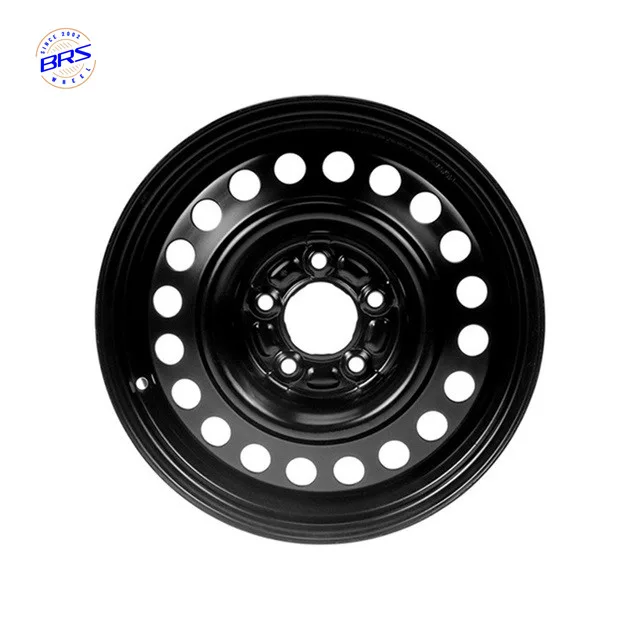
Professional Installation
Have your new rims installed by a professional. A trained technician will:
- Use the correct torque to tighten lug nuts
- Balance the wheels to prevent vibration
- Check for any fitment issues before you drive away
Professional installation also protects your warranty—many manufacturers require it for coverage. It gives you peace of mind that your wheels are safe for the road.
Warranty and Return Policies
Before buying, review the warranty and return policy. A good warranty should cover defects in materials and workmanship under normal use.
| Feature | Description |
|---|---|
| Lifetime Rim Warranty | Covers rim failures during intended use for the original purchaser. |
| Crash Replacement Discount | Offers a 50% discount on replacement rims for damage not covered by warranty. |
| Intended Use Specification | Warranty applies only if rims are used as designed. |
| Non-Transferable Warranty | Warranty is exclusive to the original owner; second owners get discounts. |
| Replacement Policy | Approved claims result in replacement with same or equivalent model. |
Always read the fine print. Know what’s covered, what’s not, and how to file a claim.
FAQ
What is the most common mistake when buying rims?
Choosing rims based only on looks while ignoring size, bolt pattern, and fitment. This leads to unsafe driving and wasted money.
How can I check if a rim fits my vehicle?
Check your owner’s manual or door‑jamb sticker for the correct diameter, width, offset, bolt pattern, and center bore. You can also use online compatibility tools or ask a professional.
What should I look for in a rim warranty?
Look for coverage of manufacturer defects, clear terms on what voids the warranty, and whether crash replacement discounts are offered. Confirm that the warranty is valid with your intended use and installation method.