
Drivers often find that smaller rims paired with thicker tires provide the smoothest ride. Thicker tires help absorb road bumps and cracks, reducing vibrations on rough roads. Vehicle type and road conditions also affect ride smoothness. Some vehicles require specific wheels sizes to perform optimally. BRS steel wheels offer a variety of sizes to ensure every driver can find the perfect balance between comfort and performance.
Key Takeaways
- Smaller rims with thicker tires provide a smoother ride. They absorb bumps and reduce vibrations.
- Medium-sized rims balance comfort and handling. They are suitable for daily driving and various road conditions.
- The optimal rim size depends on your vehicle model and primary driving conditions.
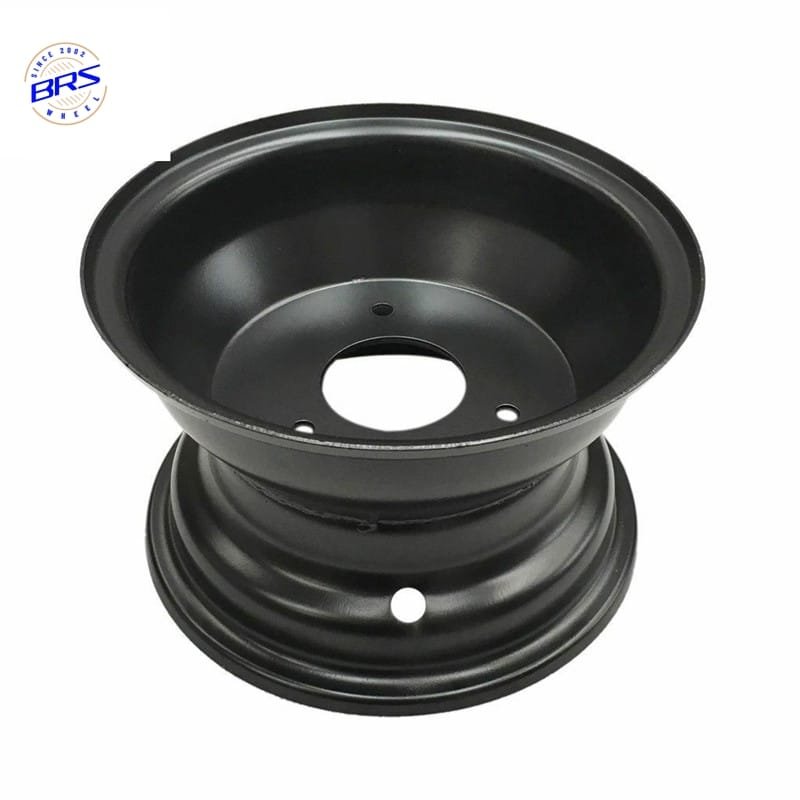
- BRS steel wheels offer a variety of sizes. Every driver can find the ideal size that balances comfort and performance.
- Check tire pressure regularly to maintain a smooth ride and easy handling.
Wheel Size & Smoothest Ride
How Wheel Size Impacts Ride Comfort
Wheel size is crucial to the driving experience. Smaller wheels paired with higher tires better absorb road bumps. These tires have thicker sidewalls that can bend and absorb vibrations, reducing the feeling of bumps while driving. This helps reduce vibrations transmitted to passengers inside the car. Larger wheels with lower tires, on the other hand, have thinner sidewalls and less material to absorb impacts, resulting in a rougher ride and reduced comfort.
Changing wheel size alters how a car handles bumps. Smaller wheels with higher tire sidewalls result in a smoother ride. The sidewalls can bend and absorb bumps, maintaining a comfortable driving experience. Larger wheels with lower tires transmit more bumps into the cabin, potentially causing discomfort for passengers.
Studies show that wheel size affects both driving comfort and handling performance.
- Larger wheels, due to their greater rigidity, may result in a bumpier ride, reducing driving comfort.
- Wheel size also affects a car’s handling and stability.
Small vs. Large Wheels
The difference between small and large wheels isn’t just about appearance. Small wheels have thicker sidewalls, making them more prone to bending and deformation. This results in a smoother ride and helps the driver better perceive the road surface before losing traction. Large wheels, on the other hand, use thinner tires. Due to the thinner sidewalls, they absorb shocks less effectively, which can lead to a bumpier ride and reduced comfort.
There’s a subtle relationship between wheel size and ride quality. Tire design and the vehicle’s driving characteristics are also crucial. Drivers should consider their own needs and the road conditions they most frequently encounter.
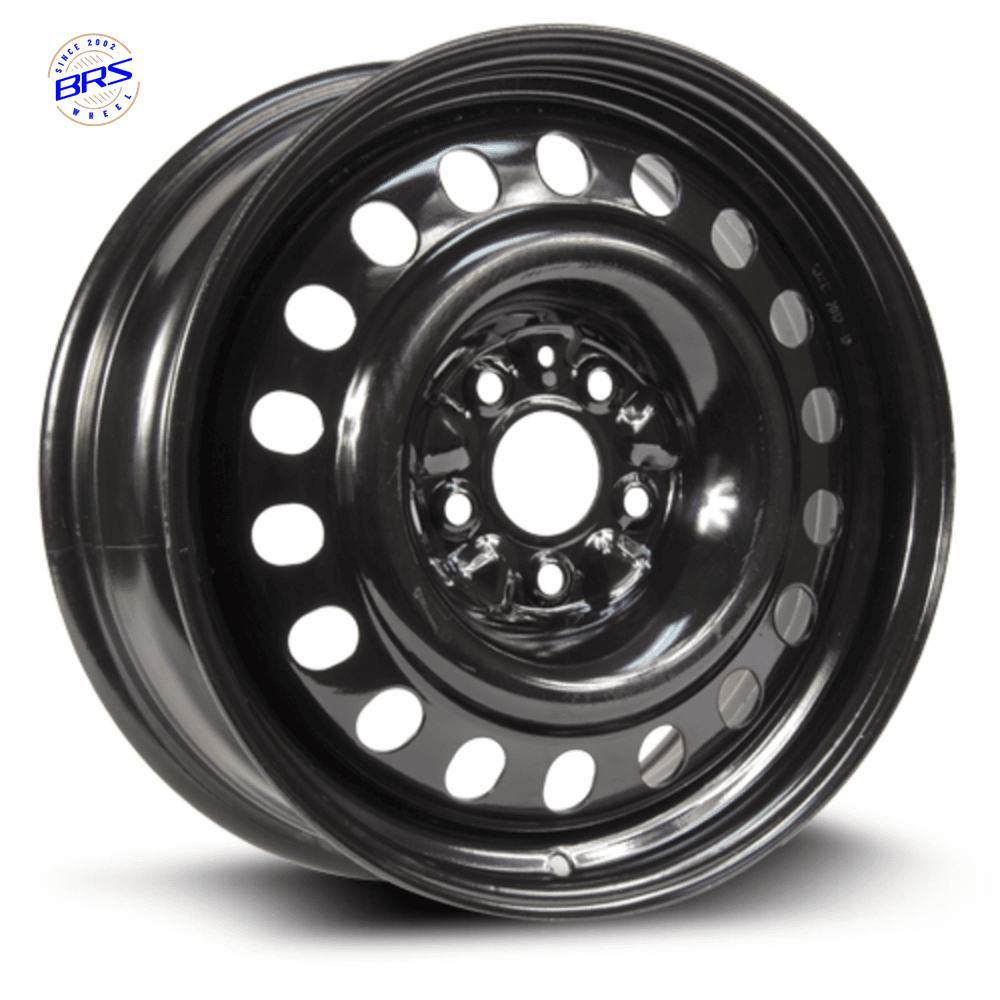
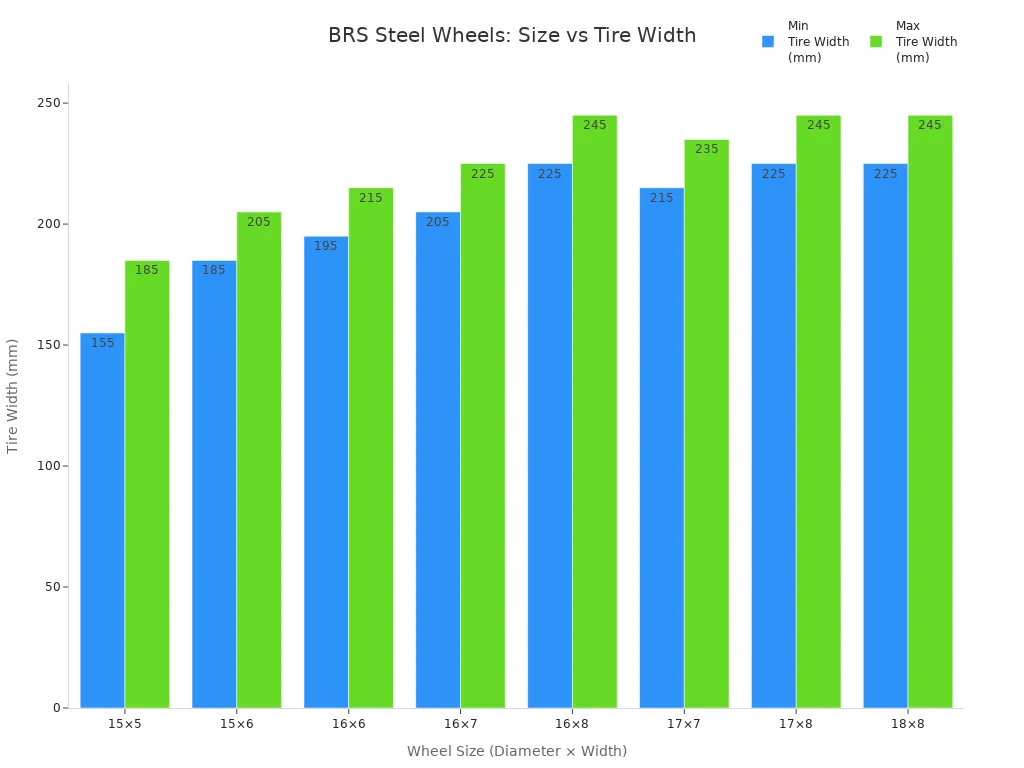
BRS steel wheels offer a variety of options to meet different comfort needs. They sell wheel widths ranging from 6 inches to 18 inches. The table below lists BRS steel wheels suitable for different vehicle models and applications:
| Wheel Size | Diameter (inches) | Width (inches) | Applications | Tire Width Range (mm) |
|---|---|---|---|---|
| 15×5 | 15 | 5 | Small economy cars, trailers, winter setups | 155 – 185 |
| 15×6 | 15 | 6 | Compact cars, entry-level sports cars | 185 – 205 |
| 16×6 | 16 | 6 | Compact and mid-size vehicles | 195 – 215 |
| 16×7 | 16 | 7 | Sedans, coupes, small SUVs | 205 – 225 |
| 16×8 | 16 | 8 | Performance driving | 225 – 245 |
| 17×7 | 17 | 7 | Modern sedans | 215 – 235 |
| 17×8 | 17 | 8 | Sporty performance | 225 – 245 |
| 18×8 | 18 | 8 | Luxury and performance | 225 – 245 |
Tip: For the smoothest ride, choose smaller rims with higher tires. BRS steel rims are available in a variety of sizes to ensure every driver can find the perfect balance of comfort and performance.
Comparing Wheels for Ride Comfort
Small Wheels (6-13 Inches)
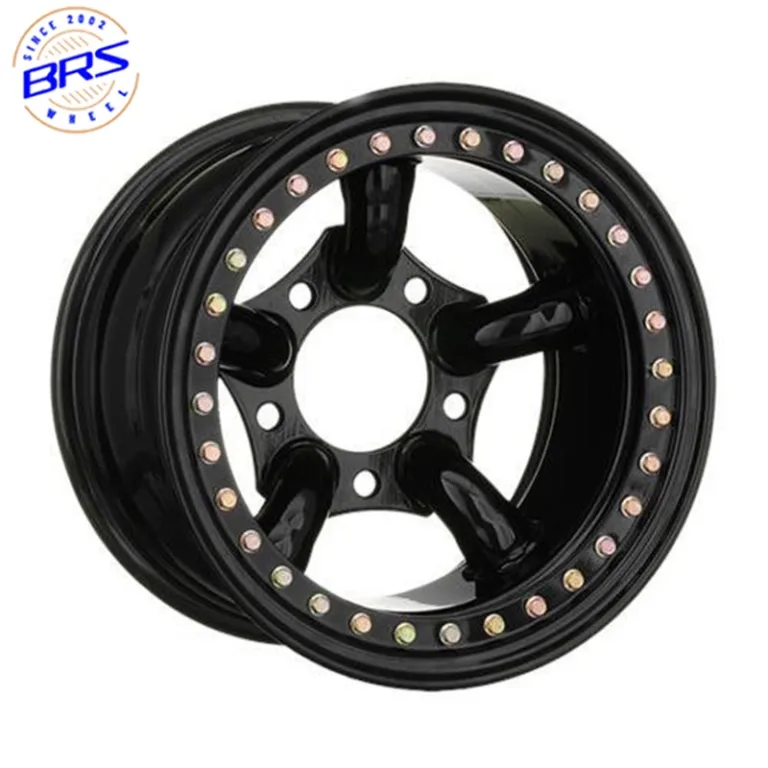
Small rims contribute to improved ride comfort. Many small cars, trailers, and all-terrain vehicles use these rims. Drivers choose them because they effectively absorb road bumps. The higher tire sidewalls act like a cushion, making the journey smoother and more comfortable. BRS steel rims offer 13-inch rims for trailers and small cars. These rims reduce vibrations and maintain comfort even on bumpy roads.
- Smaller rims are suitable for light vehicles.
- Drivers experience less bumpiness when driving over potholes.
- Many people enjoy using these rims for city driving and trailer driving.
Medium Wheels (14-16 Inches)
Medium-sized rims combine comfort and handling. Many sedans and small SUVs use this size. Drivers report that 16-inch rims make the ride smoother. The higher sidewalls help absorb road bumps better. Some people feel that 16-inch rims with special tires feel firmer. However, most people don’t find these rims to make the ride bumpier. BRS Steel Wheels offers 15-inch and 16-inch rims for small cars and trailers. These rims combine sporty driving feel and comfort.
- 16-inch rims provide a smooth ride and good handling.
- Many drivers use these rims every day.
- This size of BRS Steel Wheels is suitable for a variety of vehicle types.
Large Wheels (17-18 Inches)
Large wheels have a stylish look and are ideal for off-road vehicles and sports cars. Many new sedans, SUVs, and trucks feature 17- or 18-inch wheels. On rough roads, 17-inch wheels feel more comfortable than 18-inch wheels. They have higher sidewalls, absorbing bumps better. Drivers report that 17-inch wheels perform better on potholes. BRS Steel Wheels offers 17- and 18-inch wheels for sedans, trailers, and off-road vehicles.
| Advantage/Disadvantage | Description |
|---|---|
| Improved Off-Road Capability | Larger tires provide higher ground clearance, resulting in better handling on rough terrain. |
| Enhanced Traction | Larger tires have wider grip, providing better traction on off-road surfaces. |
| Poorer Handling on Roads | Oversized tires can increase the difficulty of steering and cornering on highways. |
| Increased Road Noise and Vibration | Larger tires produce more noise and vibration when driving on highways. |
Tip: For the smoothest driving experience, choose the appropriate wheel size based on your vehicle and driving habits. BRS steel wheels are available in a variety of sizes, ensuring comfort for every driver.
Wheels Factors Affecting Ride Comfort
Vehicle Type & Usage
Vehicle type and purpose significantly impact ride comfort. Sedans, SUVs, all-terrain vehicles (ATVs), and trailers require different wheels for optimal performance. The appropriate wheel size depends on the vehicle’s primary purpose. For example, passenger cars need comfort suitable for city streets, while ATVs require strength for rough terrain. Trailers need wheels capable of handling heavy loads and long-distance transport. The table below shows how tire characteristics affect comfort for each vehicle type:
| Tire Characteristic | Impact on Ride Comfort | Vehicle Type Consideration |
|---|---|---|
| Tire Section Width | A wider section width increases the tire’s contact area with the ground, enhancing traction and stability. | Wider tires are suitable for high-performance vehicles; narrower tires are suitable for trailers and everyday driving vehicles. |
| Sidewall Aspect Ratio | A higher aspect ratio provides a smoother ride and is ideal for vehicles prioritizing comfort. | Higher sidewalls are best suited for SUVs and trailers; lower aspect ratios are better for sporty sedans. |
Choosing the right tires helps every driver achieve the most comfortable driving experience.
Wheel Profile & Pressure
Tire profile and tire pressure affect tire performance on the road. Tires with higher sidewalls flex more, absorbing road bumps and resulting in a more comfortable ride. Softer tires with flexible sidewalls adapt better to rough roads, reducing vibrations. Stiffer tires provide a sportier ride but offer less shock absorption. Maintaining proper tire pressure is also crucial. Overinflation makes the ride feel bumpy, while underinflation reduces handling. For optimal comfort, drivers should check tire pressure regularly.
- Higher sidewalls absorb impacts from uneven road surfaces.
- Flexible tires cushion bumps, making the ride smoother.
- Proper tire pressure ensures good wheel operation.
Terrain & Road Conditions
Roads and terrain affect wheel performance. Larger rims with thinner tires offer less cushioning. On rough roads, the driver will feel more noticeable vibrations and noise. Smaller rims with higher tires absorb more impact, protecting the suspension system. Narrower rims with higher tire sidewalls help cushion impacts and reduce road noise. Wider rims may improve handling, but may make the ride bumpier. On rough or gravel roads, smaller rims with higher tires provide the smoothest ride and maintain vehicle stability.
Tip: Drivers should choose the appropriate rim and tire combination based on the road conditions they frequently drive on. This way, they can enjoy every journey regardless of road conditions.
Choosing the Right Wheel Size
City Driving
City driving often involves potholes and rough roads. Appropriate rims can make the journey smoother. Many people choose smaller rims with higher tires for comfort. These tires also help save fuel. Larger rims can absorb bumps and improve ride comfort, but they may increase fuel consumption. The optimal wheel size depends on road conditions and driving style.
- Smaller tires help reduce fuel consumption.
- Larger tires help improve ride comfort.
- High-tread tires absorb bumps and are suitable for uneven surfaces.
- Low-tread tires help improve vehicle handling and cornering performance.
Off-Road & Utility
Off-road vehicles require tires suitable for mud and sand. High-quality tires help the vehicle grip and maintain stability. Drivers choose the appropriate tires based on road conditions and the vehicle’s suspension. The table below shows how tire size helps improve off-road driving performance:
| Tire Size Range | Ideal Use Case | Benefits |
|---|---|---|
| 25” to 27” | Stock suspension, light off-roading | Good speed, handling on trails |
| 28” to 35” | Mud, rocks, sand | Better ground clearance, flotation |
Deeper mud tires provide better grip on muddy surfaces. All-terrain tires perform well on sand, helping the vehicle navigate sandy terrain. Thick tires and strong sidewalls prevent sharp rocks from puncturing them.
Trailers & ATVs
Trailers and all-terrain vehicles require wheels that are both heavy-duty and comfortable. Heavy-duty trailers need tires that can carry even greater weight. Larger wheels can carry more weight but may feel stiffer. Drivers must choose wheels suitable for the cargo and the road surface. Multi-layered tires have a higher load-bearing capacity but may not provide a smoother ride. The right wheel size ensures the safety and comfort of the trailer, even when transporting fragile items.
Wheels Custom Needs & BRS Solutions
Every driver’s needs are different. BRS steel wheels allow customers to choose the optimal wheel size. Customers can choose rim sizes from 13 to 18 inches. They can adjust the rim width according to the tires. They can also choose the appropriate rim offset to balance space and steering performance. BRS sells wheels for cars, trailers, all-terrain vehicles, and off-road vehicles. The right BRS wheels deliver a smooth ride and superior performance.
Tip: Drivers should choose wheels that suit their vehicle and driving habits. BRS steel wheels help everyone find the best wheels that balance comfort and safety.
Many drivers opt for smaller wheels with higher tires for a smoother ride. However, the optimal wheel size depends on your vehicle model, road conditions, and personal preference. Studies show that smaller wheels absorb bumps better. Medium-sized wheels offer a balance of comfort and good handling. BRS Steel Wheels offers robust steel wheels suitable for a wide range of sedans, SUVs, and off-road vehicles. They are stylish, high-performing, and meet diverse needs.
- BRS Steel Wheels help ensure your safety and enhance vehicle performance.
- They are available in a variety of styles and models.
If you want comfort and safety on every journey, choose BRS Steel Wheels.
FAQ
Which wheel size provides the smoothest ride?
Generally, smaller wheels paired with high-sidewall tires provide the smoothest ride. The extra sidewall absorbs bumps, making passengers more comfortable. BRS Steel Wheels offers a variety of sizes to help drivers find the perfect wheels for their needs.
Can I use large wheels for city driving?
Larger rims are suitable for city driving, but may feel stiff on rough roads. Drivers seeking comfort often opt for smaller rims paired with high-profile tires. BRS steel rims offer a variety of options to meet the needs of various driving styles.
Will steel rims affect ride comfort?
Steel rims are robust and durable, contributing to stability and safety. BRS steel rims use high-quality materials to ensure a smooth and comfortable journey every time.
How do I choose the right rim size for my vehicle?
Drivers should consider vehicle type, road conditions, and comfort needs. BRS steel rims have a professional team that can help customers choose the most suitable rim size for sedans, trailers, or SUVs.
Can BRS steel rims be customized?
Absolutely! BRS steel rims allow customers to choose rim size, width, and finish. Drivers can create rims that match their own style and comfort preferences.