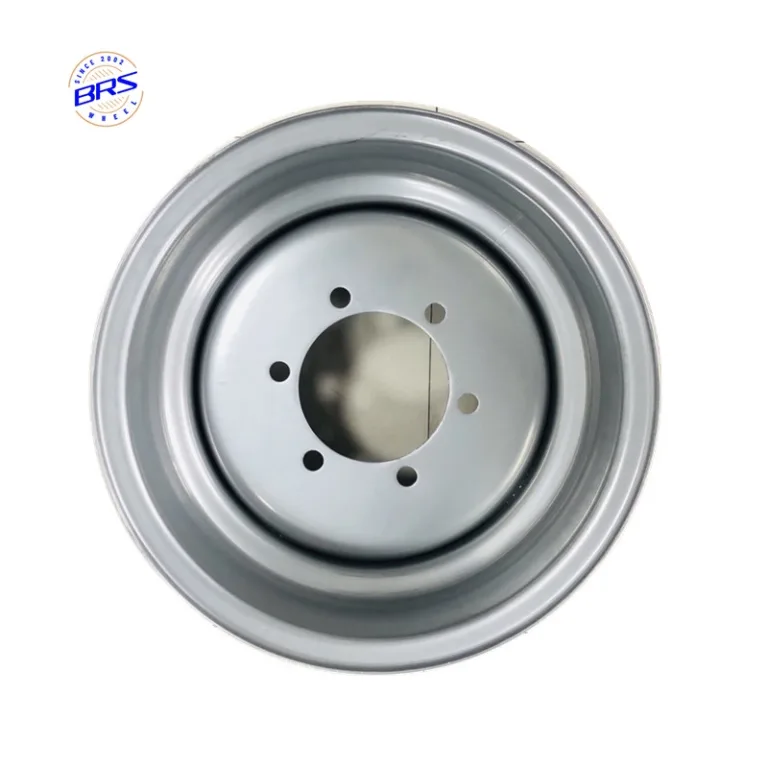
Agricultural wheel rims are heavy-duty metal components designed to securely mount tires on farm machinery such as tractors and harvesters. They enable safe and stable movement across fields, rough terrain, and uneven ground, making them essential for daily agricultural operations. Understanding their design, materials, and proper use helps operators select the right parts to maximize equipment performance and longevity.
Key Takeaways
- Agricultural wheel rims hold tires securely and enable safe movement over rough farm terrain
- The right rim size and type improves machine performance, prevents breakdowns, and enhances worker safety
- Steel is the most durable material for heavy-duty use, while aluminum alloys offer lighter weight for fuel efficiency
- Wide rims reduce soil compaction, promoting healthier crop growth and sustainable land use
- Matching bolt pattern and offset ensures proper fit, stability, and compatibility with your equipment.
Importance of Agricultural Wheel Rims
Role in Farm Equipment Performance
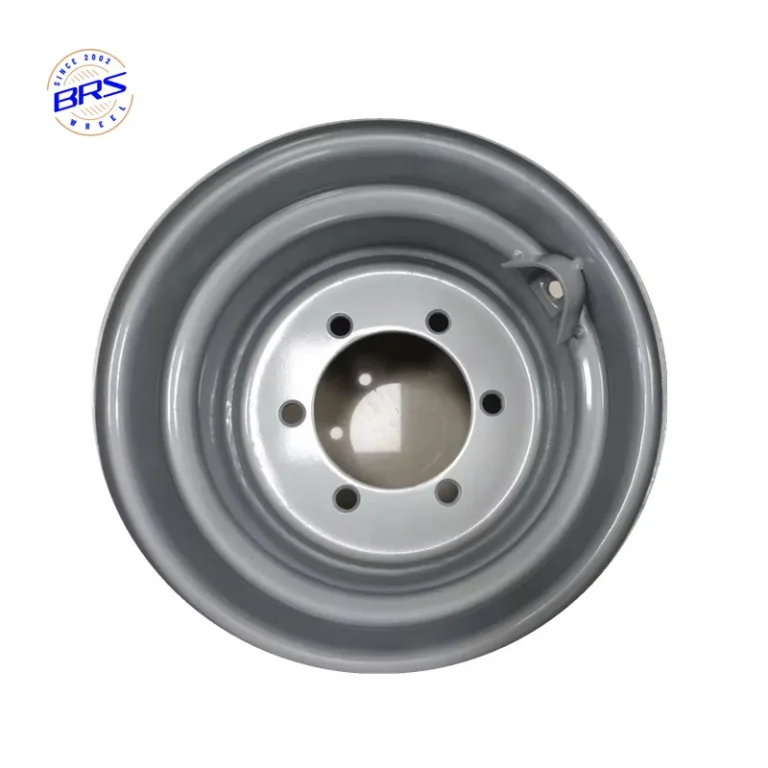
Agricultural wheel rims are a critical component of all farm machinery. They provide the structural foundation for tires, transferring power from the machine to the ground while supporting heavy loads. The table below shows how properly matched rims enhance performance across different equipment:
| Equipment Type | Contribution to Performance |
|---|---|
| Tractors | Support heavy loads, improve traction, and maintain stability on uneven ground |
| Wagons & Trailers | Ensure stability and safe transport of large payloads |
| Spreaders | Enhance ground grip and withstand heavy loads of fertilizer or seed |
| Balers | Enable smooth movement and support the machine’s operational weight |
| Seeders | Provide consistent stability for precise planting operations |
Well-matched rims increase load capacity, improve maneuverability, and extend equipment lifespan, helping farmers complete tasks more efficiently with fewer interruptions.
Impact on Safety and Sustainability
Rim quality directly affects both workplace safety and environmental impact. High-strength steel rims withstand the rigors of heavy-duty farm work, while wide-profile rims distribute machine weight evenly across the soil. This reduces compaction, preserves soil structure, and promotes better root growth for higher crop yields.
- Rim size and offset influence tractor balance and handling
- Larger diameter rims improve traction and load-carrying capacity
- Modern precision designs ensure proper tire seating and reduce blowout risks
Properly selected rims also improve braking and turning performance. Rims with correct offset distribute weight evenly, reducing fuel consumption and minimizing soil damage. By investing in quality rims, farmers reduce downtime from breakdowns and spend more time on productive field work.
Tip: Choosing the right agricultural wheel rims extends equipment life and protects long-term soil health.
Key Features of Agricultural Wheel Rims
Durability and Materials
Durability is one of the most important factors when selecting agricultural wheel rims. These components must withstand heavy loads, rough terrain, and constant exposure to mud, moisture, chemicals, and changing weather conditions.
Agricultural wheel rims are typically manufactured from three main materials, each offering distinct advantages:
| Material | Durability Characteristics | Best Applications |
|---|---|---|
| Steel | Exceptional strength, highly resistant to bending and cracking; corrosion-resistant when properly coated | Heavy-duty tractors, wagons, and harsh working environments |
| Aluminum Alloys | Lightweight, improves fuel efficiency and handling | Medium-duty machinery and precision farming equipment |
| Advanced Composites | Ultra-lightweight with high strength-to-weight ratio | Specialized sprayers and high-performance applications |
Among these options, steel rims remain the industry standard due to their durability, reliability, and cost-effectiveness.
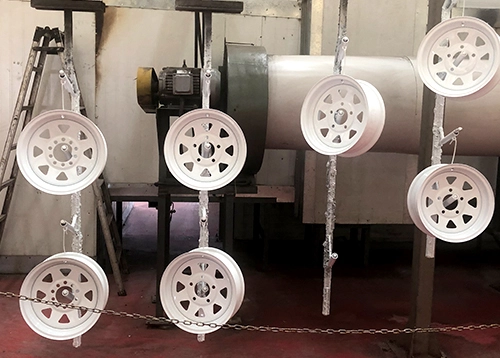
For example, BRS agricultural wheel rims are manufactured from high-grade steel and finished with a durable powder-coat coating. This protective layer enhances resistance to rust, mud, and agricultural chemicals, ensuring long-lasting performance even in demanding field conditions.
Note: Choosing the right rim material can significantly improve equipment lifespan and reduce long-term maintenance costs.
Design and Configurations
The design of agricultural wheel rims plays a key role in machine performance, stability, and soil protection. A well-designed rim improves traction, reduces soil compaction, and enhances field efficiency.
Modern rims often feature a wide flotation profile, which distributes machine weight more evenly and improves mobility on soft or wet ground.
To ensure compatibility, rims are manufactured according to industry standards, including size, bolt patterns, and offset, allowing them to fit a wide range of equipment such as tractors, wagons, seeders, and balers. Typical sizes range from 12 to 30.5 inches.
Key design features include:
- Powder-Coat Finish for corrosion resistance
- Wide Flotation Profile to reduce soil compaction
- Custom Sizes and Bolt Patterns for better compatibility
- Full-Circumference Welding for enhanced strength
| Design Feature | Key Benefit |
|---|---|
| Durability | Long service life with strong construction and protective coating |
| Adjustability | Flexible use with multiple offset options |
| Compatibility | Fits most major agricultural equipment |
| Customization | Tailored solutions for specific needs |
Tip: Choosing the right rim design improves performance, efficiency, and equipment lifespan.
Types and Applications of Agricultural Wheel Rims
Common Rim Types (W, DW, TW Profiles)
Agricultural wheel rims are commonly classified by their rim profile, including W, DW, and TW types, which refer to different rim widths and structural designs for various load requirements.
| Rim Type | Description | Key Characteristics |
|---|---|---|
| W | Standard wide-base rim profile | Suitable for general applications, moderate strength and compatibility |
| DW | Double-wide rim profile | Most widely used, offers excellent strength, stability, and easy tire mounting |
| TW | Triple-wide rim profile | Extra-wide and heavy-duty, designed for high-load and extreme working conditions |
Among these, DW rims are the industry standard, providing a balance of durability, compatibility, and ease of installation. TW rims are increasingly used in heavy-duty applications where maximum load capacity is required.
Applications Across Farm Equipment
Agricultural wheel rims are used across a wide range of farm machinery, with different types suited for specific applications:
- Tractors: Typically use DW rims for load support, traction, and soil protection
- Wagons and Trailers: Require high-strength rims to handle heavy loads and transport stability
- Seeders: Use precision rims for smooth operation and accurate planting
- Spreaders and Balers: Depend on stable rims for balance on uneven terrain
In most cases, single-piece rims are preferred for their simplicity and ease of maintenance, while multi-piece rims are used in specialized applications requiring higher load capacity or custom configurations.
Tip: Selecting the right rim type and profile improves equipment performance, reduces maintenance costs, and enhances field efficiency.
How to Choose Agricultural Wheel Rims
Rim Size and Tire Compatibility
Proper rim and tire matching is essential for safety and performance. The rim must match the tire’s width and diameter specifications to ensure proper fit and operation. Incorrect matching can lead to uneven wear, reduced traction, and increased risk of tire failure.
| Selection Factor | Key Considerations |
|---|---|
| Equipment Requirements | Match the rim to the machine type and working conditions |
| Rim Specifications | Ensure compatibility with tire size and load rating |
| Load Capacity | Select rims that support total machine weight and payload |
| Rim Width | Wider rims improve flotation; narrower rims suit row-crop applications |
| Material | Steel for durability; aluminum for reduced weight and efficiency |
Rims manufactured according to industry standards such as ETRTO ensure proper tire seating, safety, and long service life.
Load Capacity and Working Conditions
Always choose rims designed for your machine’s maximum operating weight and field conditions. Heavy-duty applications such as wagons may require rims capable of supporting over 8,000 pounds, while equipment like spreaders and balers must handle dynamic loads and uneven terrain.
- Never exceed the manufacturer’s rated load capacity
- Larger rims and tires improve weight distribution and soil protection
- Consider terrain conditions such as soft soil or rocky ground
High-quality rims with reinforced construction and protective coatings provide better durability in demanding environments.
Bolt Pattern and Offset
Bolt pattern and offset determine whether a rim fits correctly on the machine hub. Proper specifications ensure stability, balance, and safe operation.
- Custom bolt patterns ensure compatibility with different equipment brands
- Correct offset improves alignment, balance, and handling
- Optimized configurations enhance overall machine performance
Conclusion
Agricultural wheel rims are a foundational component of modern farming, enabling safe, efficient, and sustainable operation of all farm machinery. From supporting heavy loads to protecting soil health, the right rims directly impact productivity, safety, and profitability.
By selecting rims matched to your equipment, application, and working conditions—and following proper maintenance practices—you can extend service life, reduce downtime, and maximize operational efficiency. BRS agricultural wheel rims, with their high-grade steel construction, durable powder-coat finish, and custom design options, provide the reliability and performance needed for today’s demanding agricultural operations.
FAQ
What makes BRS agricultural wheel rims different?
BRS rims are manufactured from high-strength steel with a corrosion-resistant powder-coat finish. They offer a wide range of standard sizes and custom solutions to fit all major farm equipment brands.
How often should I inspect my agricultural wheel rims?
Inspect rims before each use for cracks, dents, or rust. Perform a more thorough inspection every 3 months or after heavy use in harsh conditions.
Can one rim fit different types of farm equipment?
Rims are interchangeable if they have the same size, bolt pattern, and offset. BRS offers custom options to ensure compatibility across multiple machines.
Why does rim width matter in farming?
Wide rims distribute machine weight over a larger area, reducing soil compaction and improving crop yields. They also enhance flotation on soft or wet ground, preventing machines from getting stuck.