
Steel rim options are popular with drivers who want strong wheels and good prices. Many SUV owners choose steel rims because they work well on bumpy roads and are simple to fix. Compared with black chrome wheel rims often made by top chrome wheel manufacturers, steel rims also offer a practical alternative for ATV rim users. The table below shows how steel rims and alloy wheels are different:
Feature | Alloy Wheels | Steel Wheels |
|---|---|---|
Style | More stylish | More utilitarian |
Weight | Lighter | Heavier |
Durability | Less durable | More durable |
Repairability | Harder to repair | Easier to repair |
Cost | More expensive | More affordable |
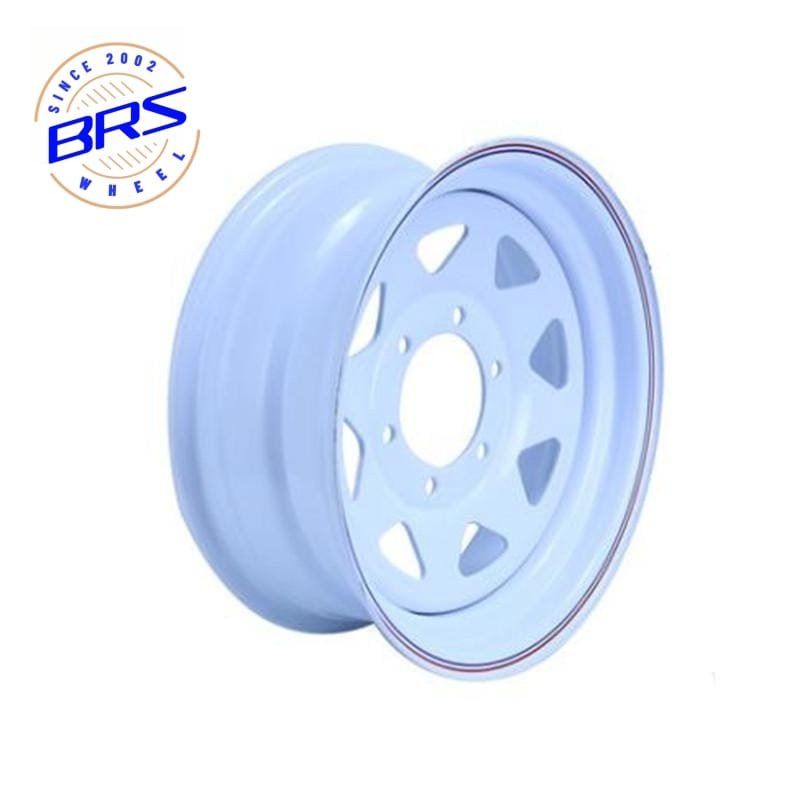
BRS black chrome wheel rims are strong and look cool. Drivers should think about what is important for their cars before picking.
Key Takeaways
Steel rims cost less than alloy wheels, so they are good for people who want to save money. They are very strong and can handle tough roads. This makes them great for off-road and winter driving. Steel rims are easier to fix than alloy wheels. This helps you spend less on repairs over time. If you clean and take care of steel rims, you can stop rust and make them last longer. Steel rims can last more than 15 years. You can also change how your steel rims look with powder coating. This lets you make them your own and keeps them strong.
Steel Rim Cost
Purchase Price
Many drivers choose steel rim options because they cost less than alloy wheels. Steel rims use basic materials and simple manufacturing methods. This makes them affordable for most people. Car owners often find that steel rims are a smart choice when they need to replace damaged wheels or buy a second set for winter tires. For example, a set of steel rims usually costs much less than a set of alloy wheels of the same size. This price difference helps families and businesses save money, especially when they need to buy rims for more than one vehicle.
Some people like to use steel rims for trucks, SUVs, or trailers. They know that steel rims offer good value for the money. Many shops sell steel rims in different sizes, so drivers can find the right fit for their vehicles without spending too much. The lower purchase price makes steel rims a popular choice for those who want to keep costs down.
Maintenance And Repairs
Steel rims are strong and can handle rough roads, but they need more care than alloy wheels. Over time, steel rims can develop rust, especially in places with snow, rain, or road salt. Owners must clean and repaint steel rims to keep them looking good and working well. This extra work means that steel rims can cost more to maintain over five years compared to alloy wheels.
Alloy wheels do not need as much attention. They resist rust and do not require repainting. Because of this, drivers spend less time and money on alloy wheel maintenance. Steel rims are easier to repair if they bend or get damaged. Many repair shops can fix a steel rim quickly, which saves money on repairs. However, the need for regular cleaning and rust removal can add up. Drivers should think about these long-term costs when choosing between steel rims and alloy wheels.
Steel Rim Durability
Impact Resistance
Steel rims are good at handling hard hits. In tests, steel wheels do not get damaged easily by rocks or potholes. The table below shows how steel and alloy rims do in different impact tests:
Testing Method | Steel Rims Performance | Alloy Rims Performance |
|---|---|---|
High-impact scenarios | Better at stopping rim damage from impacts | Not as good in the same situations |
Rock strikes and potholes | Great at taking force without breaking | Can crack or get damaged more easily |
General off-road abuse | Lasts longer and stays strong | Not as tough in rough places |
Steel rims take hits well and almost never crack. People who drive on rough roads or hit lots of potholes like steel rims for this reason.
Longevity
Steel rims can last a long time if you take care of them. Most steel rims last about 15 years or even longer. Alloy rims usually last only 5 to 10 years. This means drivers can use steel rims for many years, even in tough places. Cleaning and taking care of steel rims stops rust and keeps them working well.
Rim Type | Average Lifespan |
|---|---|
Steel Rims | 15 years or more |
Alloy Rims | 5 to 10 years |
Repairability
Steel rims are simple to fix if they get damaged. Many shops can fix bends or dents with special tools. The most common ways to fix steel rims are:
Touching up small scratches
Refinishing for bigger damage
Straightening rims that are bent
Welding small cracks
Replacing rims if damage is too bad
Most repairs make the rim work well again and stop shaking. Refinishing helps the rim last longer and look better. Welding can fix small cracks if done by someone skilled. If the rim is too damaged, it is safer to get a new one.
Performance Factors
Weight And Handling
Steel wheels weigh more than alloy wheels. This extra weight affects how a vehicle handles on the road. Heavier wheels make steering feel less sharp. Drivers may notice that their cars do not respond as quickly when turning. The added weight also puts more stress on the suspension system. Many drivers choose lighter wheels for sports cars because they want better handling. For trucks and SUVs, the extra weight of steel wheels can help keep the vehicle stable, especially when carrying heavy loads.
Fuel Economy
The weight of a steel rim can change how much fuel a car uses. Heavier wheels require more energy to move. This means the engine must work harder, which uses more gas. Automotive testing data shows several effects:
Steel wheels are heavier than aluminum wheels, leading to increased energy consumption.
Steel wheels retain heat more than aluminum wheels, resulting in increased drag.
Overall, steel wheels are less optimal for fuel efficiency compared to aluminum wheels.
Fuel economy testing showed that heavier wheels burned about 7.5% more fuel than lighter alternatives over a distance of 350 miles.
Drivers who want to save money on gas often pick lighter wheels. For those who do not drive long distances, the difference may not matter as much.
Ride Comfort
Steel wheels can make a ride feel smoother on rough roads. The strong build absorbs bumps and potholes better than some lighter wheels. Many drivers say their cars feel more solid with steel wheels. This is helpful for people who drive on gravel or uneven streets. However, the extra weight can sometimes make the ride feel less lively. Most families and workers who use their vehicles every day find the comfort level of steel wheels to be good.
Aesthetics And Style
Appearance
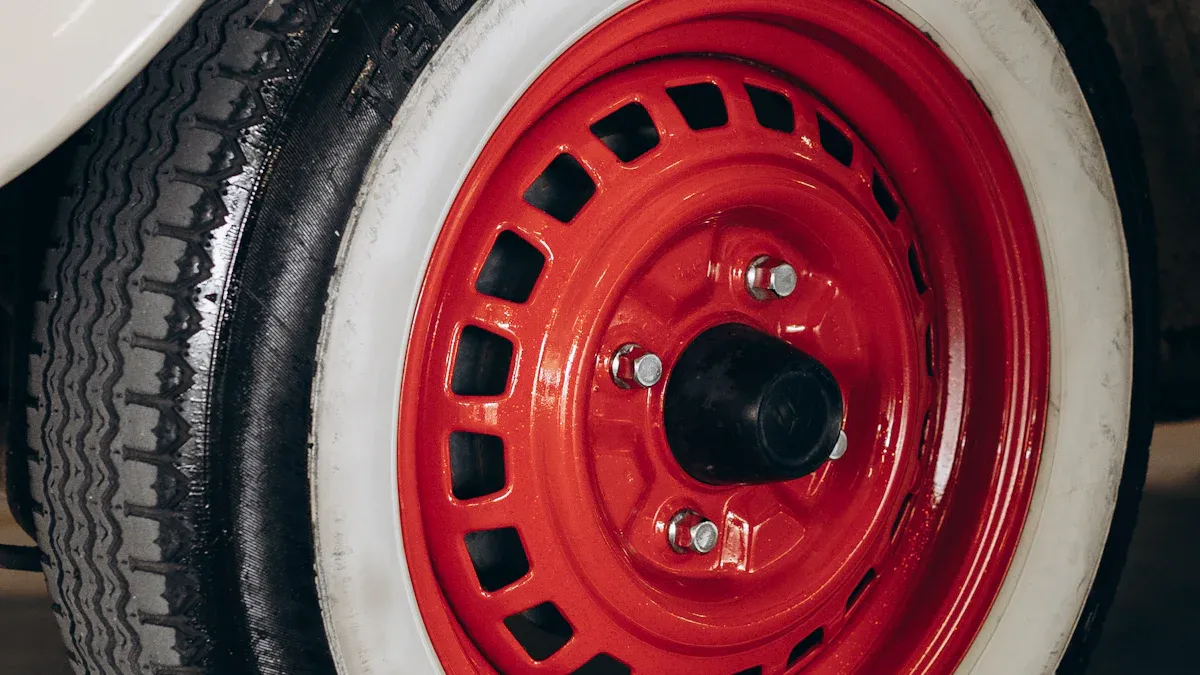
Steel rims have changed a lot over the years. Today, many drivers want wheels that look as good as they perform. BRS black chrome wheel rims stand out in this area. These rims give vehicles a sleek and modern look. The black chrome finish shines in the sunlight and matches many car colors. People notice the bold style when a car has these rims. The finish does more than add beauty. It also protects the rim from rust and damage. This means the wheels stay looking new for a long time.
The design of a steel rim can change how a car looks on the road. Some rims have deep lips and aggressive shapes. These features make trucks and SUVs look powerful. Others have smooth lines for a more classic style. The right rim can turn an ordinary car into something special.
Note: The finish on a rim is important. A good finish, like black chrome, helps stop corrosion and keeps the wheel strong.
Customization
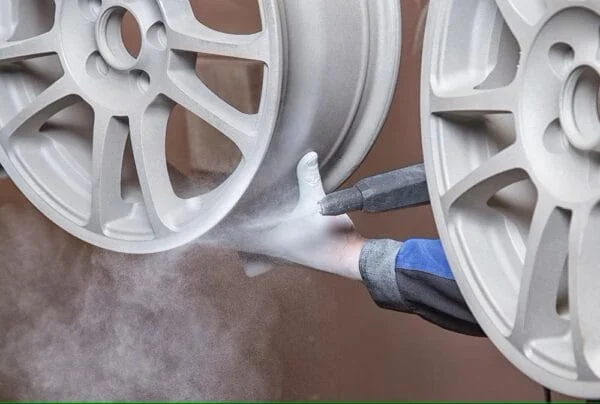
Drivers can change the look of their steel rims in many ways. Powder coating and painting let owners pick colors that match their style. Some people choose bright colors, while others like simple black or silver. Larger wheels give a car a more aggressive stance. Custom decals and graphics add a personal touch. Lightweight steel rims are also available for those who want better performance and a unique look.
Powder coating and painting for color choices
Upgrading to larger wheels for a bold appearance
Adding custom decals and graphics for personality
Choosing lightweight steel wheels for style and performance
These options help drivers create a look that fits their taste. Customizing rims can make any vehicle stand out on the road.
Suitability For Conditions
Winter And Harsh Weather
Many drivers choose steel rims for winter because they handle tough weather well. Their heavier weight and strong build help vehicles stay steady on icy or snowy roads. The flat design of these rims means less snow gets stuck, so drivers spend less time clearing their wheels. This design also helps keep good traction and performance when the weather turns bad.
Steel rims protect brakes from ice, snow, and salt better than alloy wheels. This extra protection keeps the braking system working longer in winter.
The table below shows how steel rims compare to alloy rims in harsh weather:
Feature | Steel Rims | Alloy Rims |
|---|---|---|
Cost | Cheaper to replace | More expensive |
Durability | More durable, easier to repair | Can get damaged by salt |
Brake Protection | Shields brakes from ice, snow, and salt | Less protection |
Snow Accumulation | Less snow buildup | More snow can get stuck |
Air Leak Susceptibility | Less likely to leak air | Can develop air leaks |
Drivers can also paint steel rims to stop rust, which helps them last longer in wet or salty conditions.
Off-Road Use
Steel rims work well for off-road adventures. Their tough build stands up to rocks, bumps, and rough trails. Many experts say these rims are the best choice for people who drive off-road or tow heavy loads. They cost less than other types and can be fixed if they bend. Most drivers find that steel rims do not crack easily, so they can trust them on tough terrain.
Strong and durable for rocky paths
Budget-friendly for outdoor fans
Easy to repair after hard impacts
Everyday Driving
Steel rims handle daily driving well, but they need care to stay in good shape. Road salt and brake dust can cause rust if left unchecked. Drivers should clean their rims often, especially in winter. Potholes and curbs can dent rims, but most damage is easy to see and fix. The table below explains common issues:
Factor | Description |
|---|---|
Corrosion | Rust can weaken rims over time |
Road salt | Speeds up rim damage in winter |
Brake dust | Mixes with water to harm the rim’s finish |
Road hazards | Potholes and curbs can bend or dent rims |
Regular cleaning and quick repairs help steel rims last longer, making them a smart choice for many drivers.
Steel Rim Drawbacks
Corrosion Issues
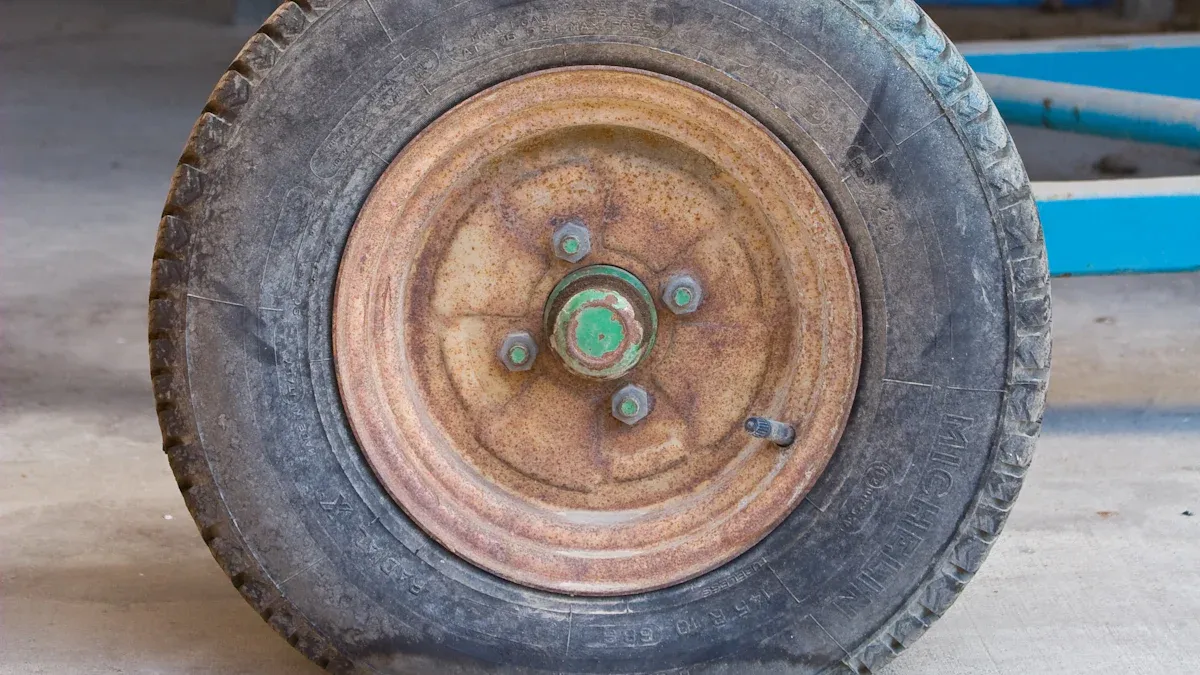
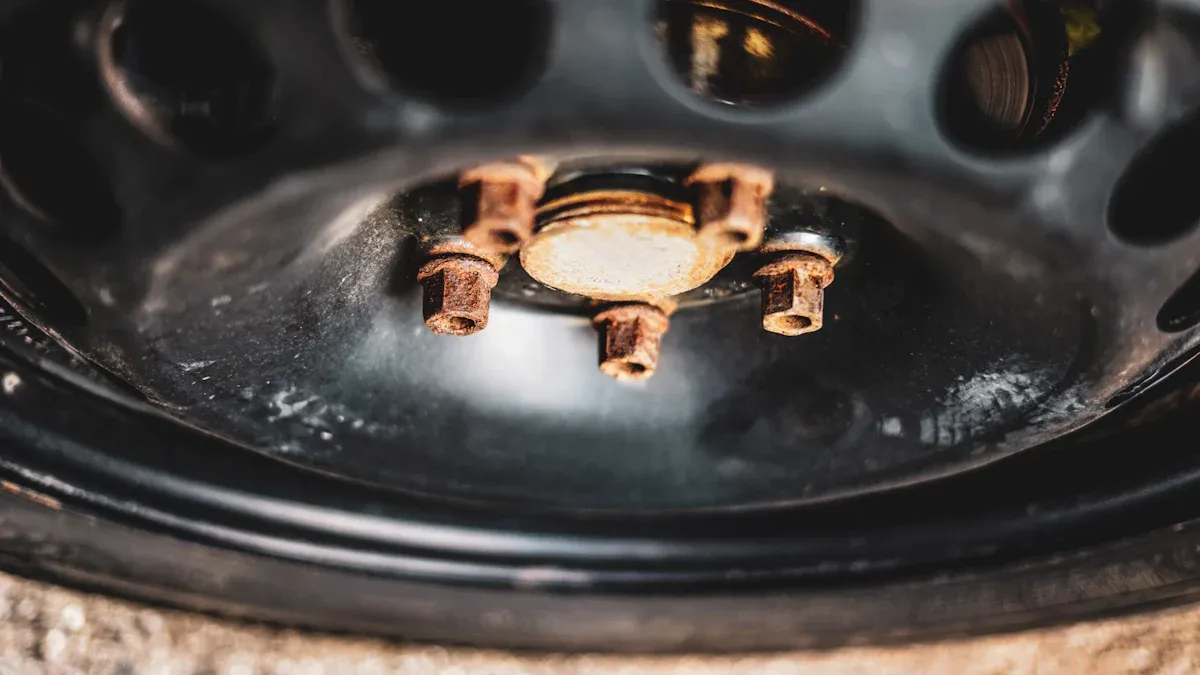
Steel rims face corrosion problems, especially in places with wet weather or road salt. Rust often appears as reddish-brown flakes on the surface. Pitting can also develop, leaving small holes that weaken the rim. These issues make the rim look old and can reduce its strength over time.
Drivers can take steps to prevent corrosion. Regular cleaning helps remove dirt and salt that cause rust. Soft brushes and wheel-specific cleaning agents protect the rim from scratches. Many people apply protective coatings, such as ceramic coatings or clear sealants, to block moisture and chemicals. Avoiding roads treated with salt during winter also helps keep rims in good shape.
Tip: Cleaning steel rims every few weeks keeps them looking new and helps prevent rust.
Weight Downsides
Steel rims weigh more than alloy wheels. This extra weight affects how a car moves and stops. Heavy wheels slow down acceleration, making the car feel less quick. Drivers notice that their vehicles do not respond as fast when they press the gas pedal. The added weight also makes steering less sharp, which can reduce agility.
Braking performance changes with heavier wheels. Brakes must work harder to stop the car, which can lead to more heat and possible brake fade during hard stops. Lighter wheels improve braking efficiency because they have less rotational inertia. Real-world tests show that reducing wheel weight by 5-10 pounds per wheel can make a big difference. For example, a lighter wheel helped a Mazda Miata reach 0-60 mph almost a third of a second faster.
Heavy wheels slow acceleration and reduce agility.
Brakes work harder and may heat up more with heavy rims.
Lighter wheels improve both handling and stopping power.
Drivers who want quick acceleration and sharp handling often choose lighter wheels. Steel rim options suit those who value strength and durability over speed.
When Steel Rims Make Sense
Best Use Cases
Steel rims are good when you need strong wheels. They are great for off-road and heavy-duty vehicles. These wheels do not crack easily on rocks or bumps. People who use their cars for work or adventure like steel rims. Steel rims last longer in tough places. The extra weight does not matter much off-road. Speed and sharp turns are not as important there.
Many vehicles use steel rims every day. Some common uses are:
Trucks that carry heavy things
Trailers and semi-trailers for moving goods
Buses that need strong wheels
Cars and SUVs for winter driving, where steel rims help on snow and ice
Commercial fleets that want cheap and reliable wheels
Steel rims help drivers save money. They cost less than alloy wheels. They are easier to fix if they break. Many people buy steel rims for winter tires. Steel rims work better with salt and snow.
Who Should Choose Steel Rims
Steel rims are best for some drivers and owners. People who drive in bad weather or on rough roads need strong wheels. Commercial drivers and fleet managers like steel rims. They are cheap and easy to take care of. Drivers who want to save money also pick steel rims. They last longer and cost less.
The table below shows what to think about when picking steel or alloy rims:
Factor | Steel Rims | Alloy Rims |
|---|---|---|
Durability | Tougher, good for rough roads | Lighter, helps with performance |
Cost | Cheaper and easier to care for | Costs more, but looks and performs better |
Style | Not many ways to change the look | More ways to make wheels look cool |
Drivers who want strong, cheap, and reliable wheels should get steel rims. Drivers who want cool looks or better driving may want alloy wheels. Steel rims are a good choice for tough jobs and hard weather.
Tip: Steel rims are best for winter, off-road, or heavy-duty use.
Car experts point out the main facts about steel rims in this table:
Advantages | Disadvantages |
|---|---|
Great for heavy-duty and extreme conditions | Less resistant to corrosion |
Strong against cracking and bending | Heavier, which can lower fuel economy |
Good traction on snow and ice | Fewer style and size options |
Affordable for most drivers |
Steel rim options are good for people who need tough wheels. They also help drivers save money or drive in bad weather. Off-road drivers and work trucks use these wheels a lot. People who like both style and strength can pick brands like BRS. These brands have cool looks and work well.
Drivers should think about price, strength, how the wheels work, and style before picking new wheels.
FAQ
What makes steel rims a good choice for winter driving?
Steel rims resist damage from ice and snow. Their strong build helps vehicles stay steady on slippery roads. Many drivers use steel rims for winter tires because they cost less and last longer in harsh weather.
How often should someone clean steel rims?
Drivers should clean steel rims every few weeks. Regular cleaning removes dirt and salt. This helps prevent rust and keeps rims looking new. Using a soft brush and wheel cleaner works best.
Can steel rims be customized for style?
Steel rims offer many customization options. Owners can choose powder coating, painting, or decals. BRS black chrome wheel rims provide a stylish look and extra protection against corrosion.
Are steel rims easy to repair if damaged?
Most repair shops fix steel rims quickly. They can straighten bends, touch up scratches, or weld small cracks. Steel rims return to good condition after most repairs.