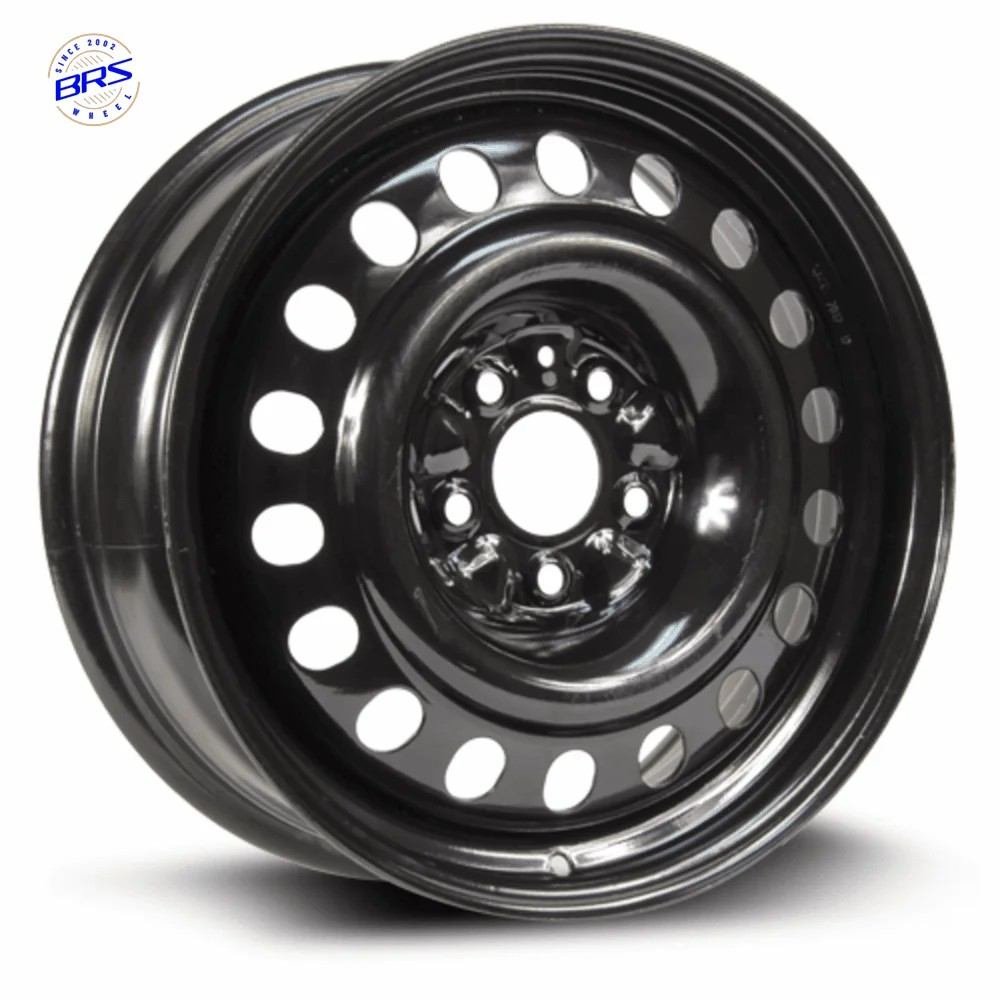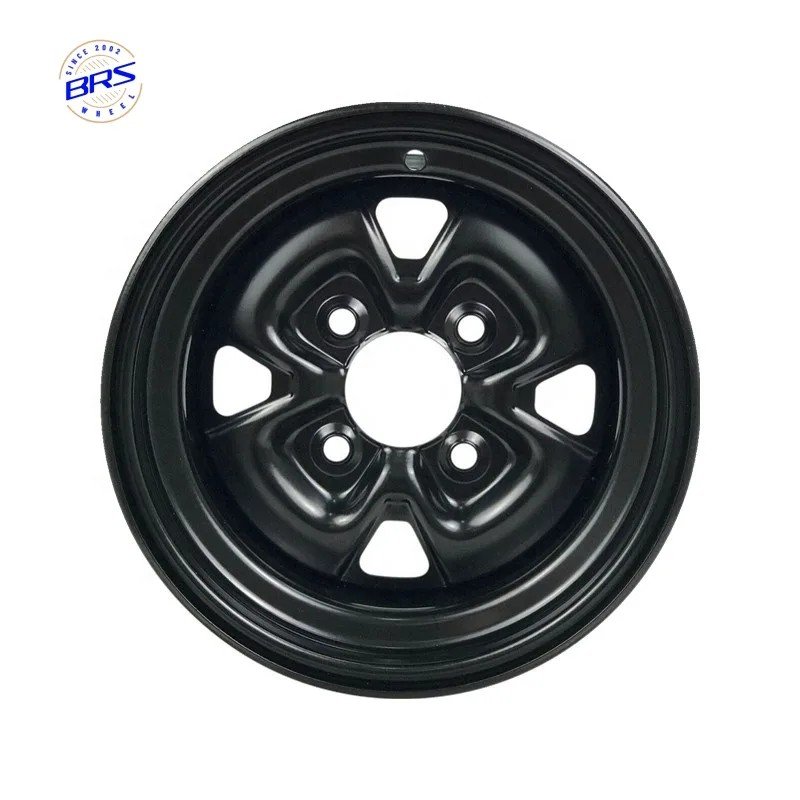
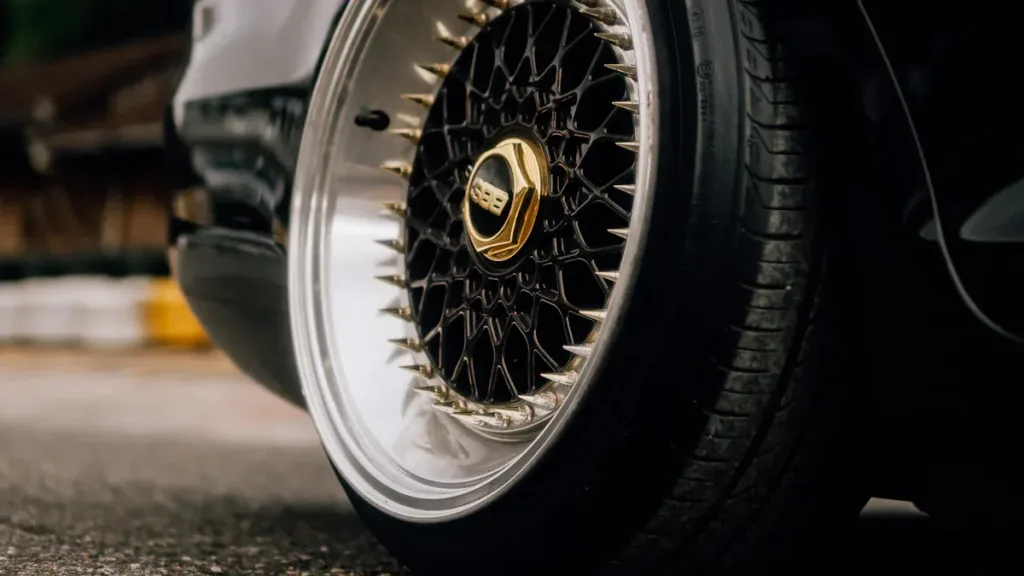
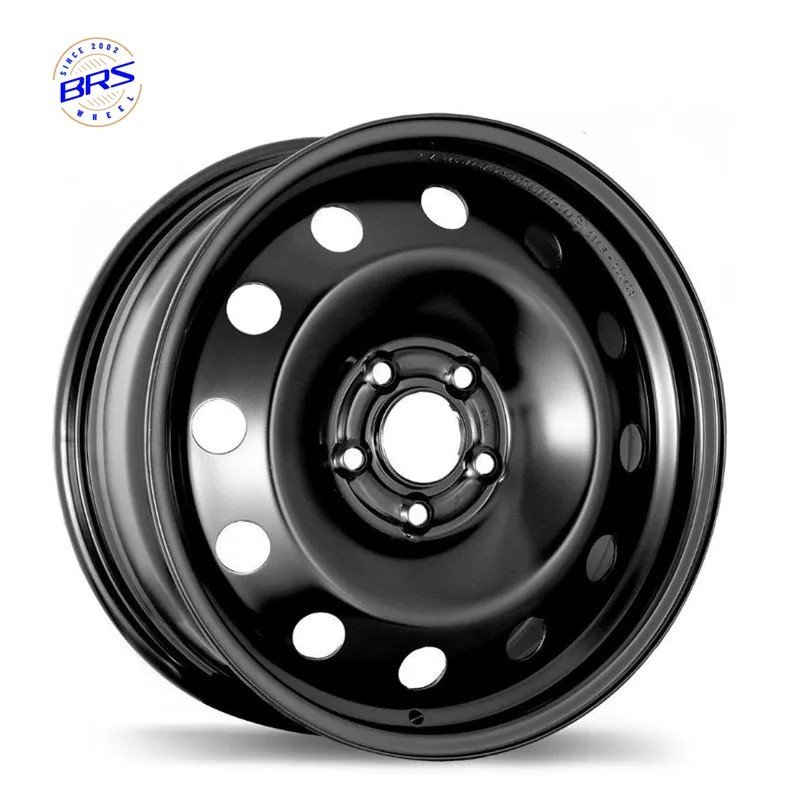
Jantes de aço são habitualmente utilizados em veículos que privilegiam a durabilidade, a capacidade de carga, o preço acessível e a praticidade. São especialmente comuns em camiões comerciais, reboques, equipamentos agrícolas, máquinas de construção e veículos todo-o-terreno. Alguns automóveis de passageiros e veículos de frota também utilizam rodas de aço, sobretudo quando o baixo custo e a facilidade de manutenção são mais importantes do que a aparência ou o desempenho em termos de leveza.
O tipo de veículo e o seu ambiente de operação determinam, em grande parte, se as rodas de aço são uma escolha adequada. Os veículos pesados precisam de rodas capazes de suportar cargas elevadas, enquanto os equipamentos agrícolas e todo-o-terreno têm de lidar com terreno acidentado, lama, rochas e impactos repetidos.
Pontos-chave
- Os veículos comerciais e pesados utilizam com frequência rodas de aço pela capacidade de carga, durabilidade e eficiência de custos.
- Os veículos agrícolas, de construção e todo-o-terreno beneficiam de rodas de aço quando operam em terrenos acidentados ou exigentes.
- Os automóveis de passageiros e os veículos de frota podem utilizar rodas de aço para reduzir custos ou como rodas dedicadas a pneus de inverno.
- As rodas de aço são valorizadas pela sua durabilidade, design prático e custo de substituição relativamente baixo.
- Antes de escolher uma roda de aço, devem ser considerados o tamanho da roda, o índice de carga, a compatibilidade com os pneus e as condições de operação.
Veículos Comuns que Utilizam Rodas de Aço
Veículos Comerciais e Pesados
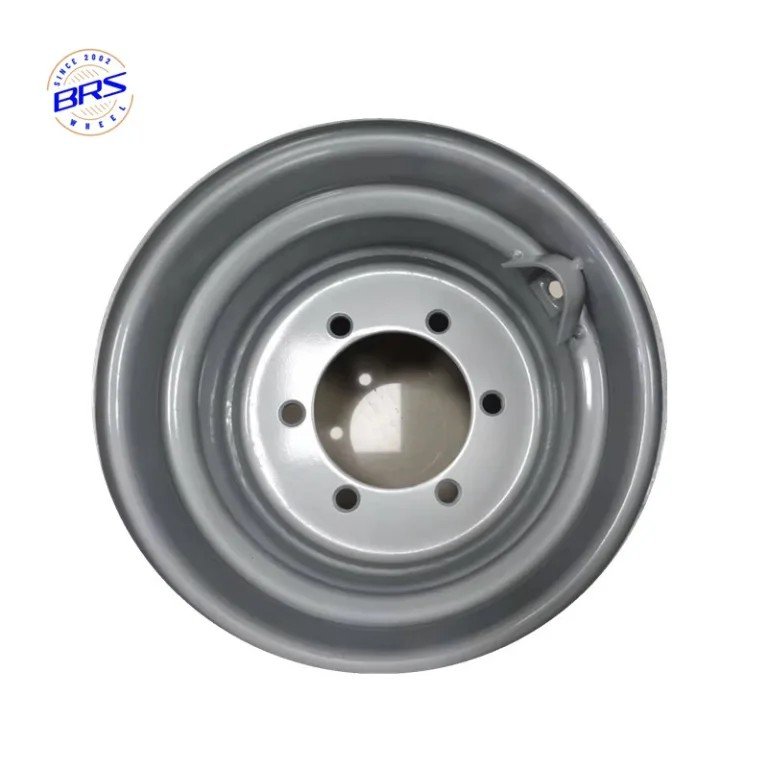
Os camiões comerciais, os reboques e outros veículos pesados estão entre as aplicações mais comuns das rodas de aço. Estes veículos transportam frequentemente cargas pesadas e operam durante longos períodos, pelo que a durabilidade e a capacidade de carga das rodas são prioridades fundamentais.
As rodas de aço são também práticas para os operadores de frotas, porque a sua construção relativamente simples e o menor custo de substituição podem ajudar a controlar as despesas operacionais. As rodas para camiões e reboques estão disponíveis em diferentes tamanhos, larguras, índices de carga e acabamentos de superfície para se adaptarem a diferentes aplicações.
Em veículos comerciais, a roda deve corresponder sempre às especificações do fabricante. Os fatores importantes incluem o tamanho da roda, o padrão de parafusos, o offset, a compatibilidade com os pneus e o índice de carga.
Veículos Agrícolas, de Construção e Todo-o-Terreno
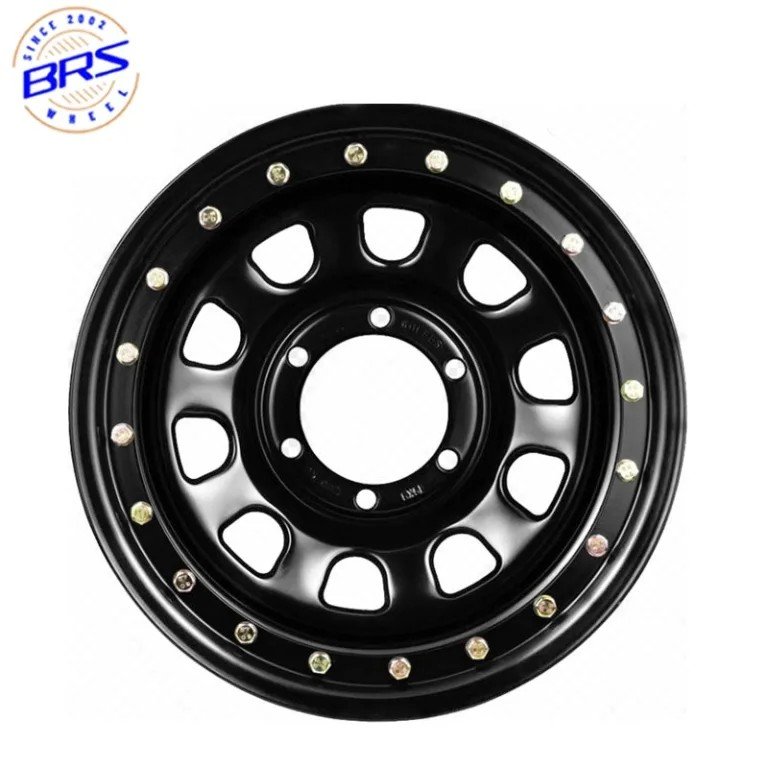
As máquinas agrícolas, os equipamentos de construção e os veículos todo-o-terreno operam frequentemente em superfícies irregulares ou não pavimentadas. A lama, a brita, as rochas, os destroços e as cargas pesadas podem colocar consideravelmente mais tensão nas jantes do que a condução normal em autoestrada.
As jantes de aço são bem adequadas a estas condições, pois oferecem uma combinação prática de resistência, capacidade de absorção de impactos e durabilidade. Os tratores e outros equipamentos agrícolas podem necessitar de jantes concebidas para cargas pesadas e terrenos moles, enquanto os veículos de construção e todo-o-terreno podem precisar de jantes capazes de suportar impactos repetidos em terreno acidentado.
Como um fabricante de jantes de aço, a BRS oferece soluções de jantes de aço para máquinas agrícolas, equipamentos de construção e veículos todo-o-terreno, com designs focados na durabilidade e no desempenho de suporte de carga.
Automóveis de Passageiros e Frotas de Veículos
As jantes de aço também são utilizadas em alguns automóveis de passageiros, particularmente em modelos de entrada e em veículos onde a acessibilidade é uma prioridade. Os fabricantes de automóveis podem utilizar jantes de aço para manter os custos do veículo baixos, proporcionando ainda assim uma opção de jante funcional para a condução quotidiana.
Os veículos de frota, como táxis, veículos de entrega e outros veículos de alta quilometragem, também podem utilizar jantes de aço, uma vez que os operadores frequentemente dão prioridade à praticidade e ao custo de substituição em vez da estética.
As jantes de aço também são comumente usadas com pneus de inverno. Os condutores podem manter um conjunto dedicado de pneus de inverno montado em jantes de aço e trocar os conjuntos de jante e pneu sazonalmente. Isso pode reduzir as montagens repetidas de pneus e ajudar a proteger as jantes de liga mais caras dos perigos das estradas no inverno.
Porque é que as Jantes de Aço são Comuns nestes Veículos?
Durabilidade e Capacidade de Carga
Uma das principais razões pelas quais as jantes de aço continuam populares para aplicações comerciais, agrícolas, de construção e todo-o-terreno é a sua capacidade de suportar condições de operação exigentes.
O aço tem alta resistência e pode deformar-se sob um impacto severo em vez de partir imediatamente. Isso pode ser útil quando os veículos encontram buracos, rochas, passeios ou terreno irregular.
A capacidade de carga é outro fator importante. Os veículos e equipamentos de trabalho pesado necessitam de rodas de aço capazes de suportar com segurança o peso do veículo e a carga útil. Existem rodas de aço com conceções especificamente desenvolvidas para aplicações de carga mais elevada, o que as torna uma opção prática para camiões, reboques, máquinas agrícolas e equipamentos de trabalho.
Custo Mais Baixo e Reparação Mais Fácil
O custo é outra razão pela qual as rodas de aço são amplamente utilizadas. São geralmente menos dispendiosas do que muitas rodas de liga leve, o que as torna atractivas para frotas comerciais, veículos económicos e jogos de rodas sazonais. Para uma comparação mais detalhada dos materiais das rodas, consulte Qual é a diferença entre jantes de aço e jantes de liga leve?
As rodas de aço também podem ser mais fáceis de reparar em algumas situações. Um impacto severo pode deformar uma roda de aço e, dependendo da extensão dos danos e das orientações do fabricante ou de um profissional de reparação, uma oficina pode conseguir endireitá-la. Danos estruturais devem sempre ser inspecionados por profissionais, em vez de serem reparados simplesmente porque a roda é de aço.
Para operadores de frotas e proprietários de veículos de trabalho, a combinação de um custo de aquisição mais baixo e de uma manutenção prática pode tornar as rodas de aço uma escolha rentável.
Como Escolher Rodas de Aço para Diferentes Veículos?
Compatibilizar o Tamanho da Roda e o Índice de Carga
A roda de aço correta deve ser compatível com o veículo e o pneu. Comece por verificar as especificações do fabricante do veículo ou equipamento relativamente a:
- Diâmetro da roda
- Largura da roda
- Padrão de fixação
- Desvio
- Furo central
- Compatibilidade com o tamanho do pneu
- Capacidade de carga
O índice de carga é especialmente importante para camiões, reboques, equipamentos agrícolas e veículos de construção. A roda deve ser capaz de suportar com segurança o veículo e a respetiva carga útil prevista.
Considere as Condições de Condução e o Acabamento da Jante
O ambiente de operação também deve influenciar a sua escolha. Veículos de autoestrada podem exigir principalmente a capacidade de carga e a montagem corretas, enquanto veículos agrícolas e todo-o-terreno podem precisar de jantes concebidas para lama, cascalho, terreno irregular e impactos frequentes.
O acabamento superficial é outra consideração em ambientes agressivos. Veículos expostos a sal da estrada, humidade, lama ou produtos químicos agrícolas podem beneficiar de um revestimento protetor adequado para reduzir o risco de corrosão.
Escolher a jante de aço correta envolve, portanto, mais do que selecionar um diâmetro. As especificações da jante, os requisitos de carga, o ambiente de operação e a proteção superficial devem todos corresponder à utilização pretendida do veículo.
Conclusão
As jantes de aço continuam comuns numa ampla gama de veículos porque proporcionam um equilíbrio prático entre durabilidade, capacidade de carga, custo acessível e facilidade de manutenção.
Camiões comerciais e reboques utilizam-nas para cargas exigentes e operação frequente. Veículos agrícolas, de construção e todo-o-terreno beneficiam da sua adequação a ambientes de trabalho difíceis. Automóveis de passageiros e frotas podem usá-las quando o baixo custo e a praticidade são prioridades, enquanto os condutores de inverno frequentemente escolhem jantes de aço para conjuntos de pneus sazonais dedicados.
A melhor jante de aço depende do veículo e não apenas do material. Correspondam sempre o tamanho da jante, o índice de carga, as especificações dos pneus e as condições de operação para garantir que a jante é adequada à aplicação.
Perguntas frequentes
Quanto tempo duram as jantes de aço em comparação com as jantes de liga leve?
As jantes de aço geralmente duram mais de 10 anos com uso normal. O metal deforma-se em vez de rachar quando sofre um impacto. Um técnico pode reparar um aro deformado, restaurando-o à sua forma original. As jantes de liga leve frequentemente duram entre 8 e 10 anos antes de surgirem fissuras.
Porque é que os condutores escolhem jantes de aço para condução no inverno?
Muitos condutores montam pneus de inverno em jantes de aço. O sal da estrada e os buracos ocultos causam danos nos meses frios. As jantes de aço custam menos a substituir do que as de liga leve. Os condutores mantêm as suas caras jantes de liga leve protegidas, usando-as em estações mais quentes.
Uma jante de aço danificada pode ser reparada facilmente?
Sim. Um trabalhador coloca a roda empenada sobre uma superfície plana. Bate na zona danificada com um martelo até o metal voltar à forma correta. Este processo simples demora apenas alguns minutos. As jantes de liga leve geralmente partem em vez de empenar, por isso necessitam de substituição completa.
As rodas de aço afetam visivelmente o consumo de combustível?
A diferença de peso entre rodas de aço e jantes de liga leve é pequena para a maioria dos carros. Na condução diária, nota-se pouca alteração no consumo de combustível. Os veículos de frota e camiões comerciais transportam cargas pesadas de qualquer forma. As vantagens de longa duração são mais importantes do que qualquer pequena questão de peso.
As rodas de aço são seguras a velocidades de autoestrada?
Os fabricantes testam as rodas de aço para cumprir regras de segurança rigorosas. A BRS realiza testes cuidadosos no seu próprio laboratório, garantindo o controlo de qualidade. As rodas de aço funcionam bem a velocidades de autoestrada quando os condutores mantêm a pressão e o equilíbrio corretos dos pneus.