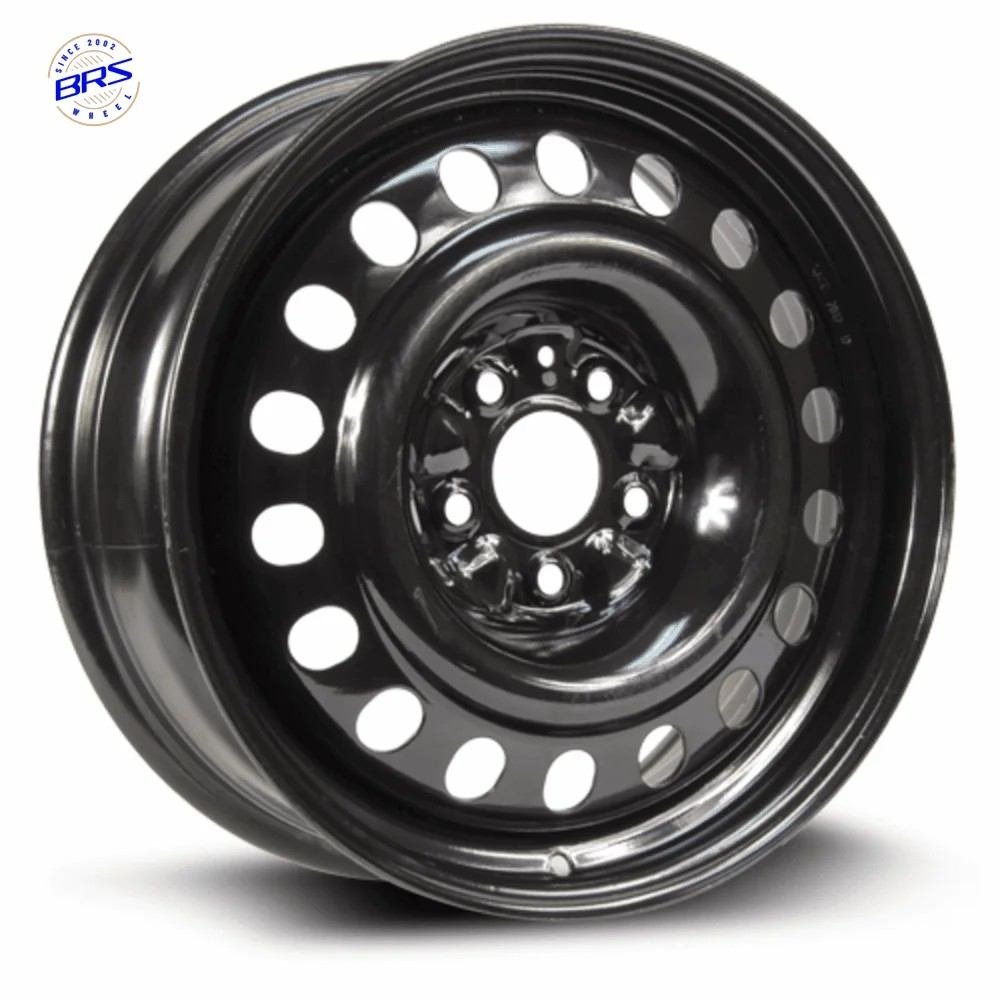
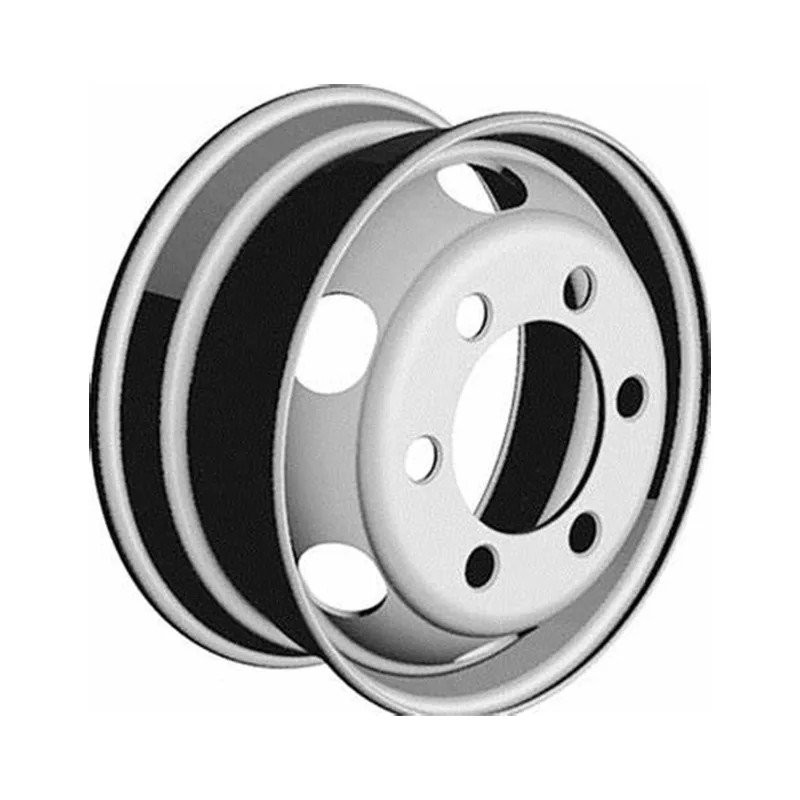
Most jantes de aço require acorn-style lug nuts with a 60° tapered (conical) seat. This tapered profile does more than fasten the wheel: it self-centers the rim on the hub and evenly distributes clamping force across the contact area. Flat-seat or mag-shank lug nuts will not seat correctly on standard tapered steel wheel lug holes, leading to loose hardware, vibration, and safety risks.
Pontos-chave
- Steel wheels need lug nuts with seat shapes that match their lug holes; 60° conical acorn nuts are common for tapered steel wheels.
- Tapered seats help center the wheel and provide secure clamping, while mismatched seats can cause vibration, stud damage, and loose wheels.
- Before installation, verify the seat type, thread size, thread pitch, and required thread engagement.
- Always follow the wheel and vehicle manufacturer’s specifications for lug nut selection and tightening torque.
Do Steel Wheels Need Special Lug Nuts?
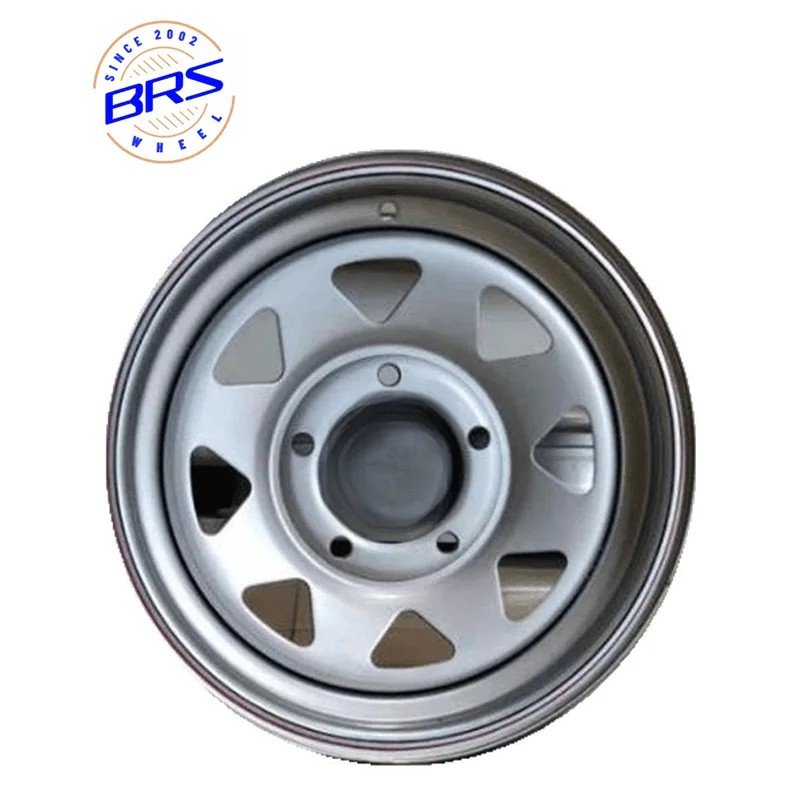
The word “special” causes most of the confusion here. Steel wheels do not require rare or proprietary fasteners — they require the correct seat shape to match the lug hole geometry.
A steel wheel with a tapered chamfered lug hole needs a nut with a matching taper. A wheel with a flat lug hole needs a flat-seat nut. The part number or brand matters far less than the metal-to-metal contact geometry.
For most factory and aftermarket jantes de aço, the standard 60° conical acorn lug nut is the correct fit — this is a common, off-the-shelf part, not a specialty item.
Why Tapered-Seat Lug Nuts Are Standard for Steel Wheels
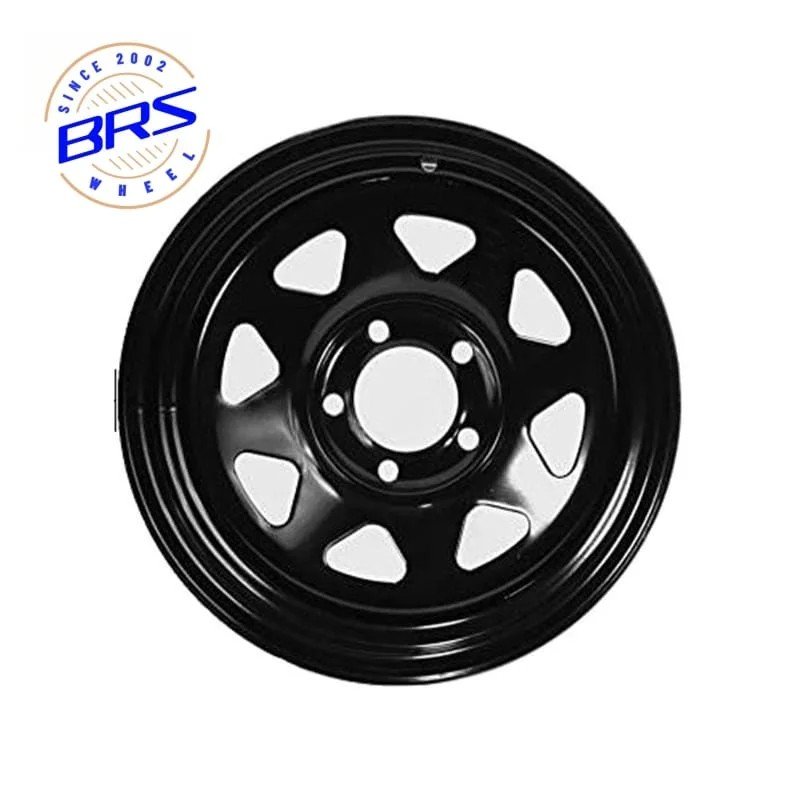
Tapered conical seats dominate steel wheel design for two critical functional reasons:
1. Self-centering action
The 60° cone acts like a funnel: as you tighten the nut, the taper guides the wheel into precise alignment with the hub. This corrects small alignment errors during installation, so you do not have to manually position the wheel perfectly by hand. Flat-seat nuts cannot do this — they rely entirely on the hub pilot to center the wheel.
2. Even clamping force distribution
The tapered contact ring spreads clamping load evenly around the lug hole. With matched angles, the nut locks firmly into the rim and stays tight under road vibration.
Conical seat lug nuts are the most common style in the automotive industry precisely because of this self-centering, load-spreading design.
Installation tip from Classic Broncos forums: snug all nuts by hand first, then torque in a star pattern. Do not fully tighten the first nut immediately — this can prevent the remaining cones from seating properly and cause misalignment.
Risks of mismatched seat shape
When the lug nut seat does not match the hole, the contact patch sits in the wrong place. This leads to:
- Wheel wobble at highway speeds and elongated lug holes from shifting
- Overloaded studs that can stretch or break
- Accelerated wear on brakes and suspension parts from constant vibration
- In extreme cases, complete wheel detachment if nuts back out
Common Lug Nut Seat Types Compared
Three seat styles are most common. Always match the nut to the wheel, not the other way around.
| Seat Type | Design | Most Common Use | Pontos-chave |
|---|---|---|---|
| Tapered / conical (acorn) | 60° angled cone base | Most steel wheels, factory OEM rims | Self-centering; standard for most passenger and truck steel rims |
| Flat seat | Flat face with separate washer | Many alloy wheels | No centering function; relies on hub pilot for alignment |
| Mag shank | Straight cylindrical shank + flat face | Some aftermarket alloy wheels | Shank fits into the lug pilot hole; washer protects wheel finish |
Mag-shank nuts may work on some steel rims in a pinch, but the tapered conical seat remains the recommended and most secure match for standard tapered steel wheels.
How to Choose the Right Lug Nuts for Your Steel Wheels
1. Identify the lug hole seat shape
Inspect the lug hole on your wheel:
- Angled inward chamfer = tapered / conical seat
- Flat machined surface = flat seat
- Deep straight hole with flat ledge = mag shank style
When in doubt, reference the fabricante de rodas’s specifications.
2. Verify thread engagement
Steel wheels typically have a thinner hub flange than alloy wheels. Using lug nuts designed for thick alloy rims can leave too few threads engaged on the stud, which is a serious safety hazard.
Always count exposed threads after installing the nut, and confirm the engagement meets the vehicle manufacturer’s requirements.
3. Confirm thread pitch
Mismatched thread pitch will destroy stud threads. Cross-reference your vehicle’s year, make, and model, or check the owner’s manual for the correct thread size and pitch.
Note: Lug bolts (common on European cars) and lug nuts (common on North American vehicles) perform the same clamping job, but the seat shape rules apply equally to both.
Perguntas frequentes
Do steel wheels always need acorn-style lug nuts?
Most steel rims use a conical seat, so acorn-style tapered nuts are the standard match. Always inspect the lug hole first — an angled chamfer means tapered seat, while a flat surface requires a different design. Seat shape, not wheel material, determines the correct hardware.
Can I reuse alloy wheel lug nuts on steel wheels?
Not always. Steel rims have a thinner hub flange, so alloy-specific nuts may leave insufficient thread engagement, which is unsafe. Always count engaged threads and verify against manufacturer specifications before driving.
How often should I recheck lug nut torque?
Recheck torque within 50–100 miles after any wheel service. For routine maintenance, inspect every 10,000 miles, or every 5,000 miles for heavy loads and mountain routes.
What information do I need to buy the right lug nuts?
You will need your vehicle’s year, make, and model, plus the wheel’s seat profile and stud thread pitch. A quick visual check of the lug hole and a look at your owner’s manual will provide most of the answer.
Will a mag-shank nut work on a steel rim?
It may provide basic function on some rims, but the tapered conical seat is the recommended match for standard tapered steel wheels. Always confirm the nut sits fully flush and makes full contact in the lug hole.