
A 16×8 rim is 8 inches wide (the distance from one tire bead to the other). This width helps in selecting the appropriate tire size and ensures a perfect tire-vehicle fit. Correctly measuring rim width can prevent safety hazards and affect vehicle performance.
Knowing the accurate rim width helps improve vehicle handling and extend tire life.
Key Takeaways
- A 16×8 rim is 8 inches wide. This is crucial for selecting the appropriate tire size and helps ensure a perfect tire fit.
- When measuring rim width, measure the distance from one tire bead to the other, not from the outer edge. This avoids measurement errors.
- Choosing the appropriate tire size for a 16×8 rim ensures driving safety and improves vehicle performance. The optimal tire width is between 215 mm and 245 mm.
- 16×8 wheels are suitable for a variety of vehicle types, and truck and SUV wheels offer better grip and balance on rough roads.
- BRS steel rims are robust and durable, making them ideal for drivers seeking durable wheels.
16×8 rim meaning
Diameter and width explained
16×8 rims use two numbers to describe their size. The first number, 16, indicates the rim’s diameter (inches). The second number, 8, indicates the rim’s width (inches). These dimensions help people choose the right tires and ensure the rim matches the vehicle. The diameter affects the rim’s appearance and performance. The width affects the tire’s grip when cornering.
The following table briefly explains the meaning of each number:
| Specification | Measurement (inches) | Description |
|---|---|---|
| Wheel Diameter | 16 | This shows how ‘big’ the wheel is from the face or side of the vehicle. |
| Wheel Width | 8 | This shows how ‘wide’ the wheel is, affecting grip when turning. |
A wider rim changes the distance the wheel extends beyond the car’s fenders. When comparing two wheels with the same offset but different widths, the width difference is halved. Half of the extra width shifts the wheel outwards, while the other half brings it closer to the suspension. This helps people understand how a 16×8 rim fits their vehicle.
Industry sizing standards
Industry standards ensure that rim labeling and dimensions are consistent across different regions. These standards help ensure driver safety and facilitate finding the right parts. The International Organization for Standardization (ISO) has established rules for rim dimensions and markings. For example, ISO 10499-1:2019 specifies the requirements for rim dimensions and markings. ISO 3739-1 and ISO 3739-3 define the rim profiles that match specific tires.
Markings on the rim are crucial for safety. They identify the manufacturer, prove the rim complies with applicable regulations, and help match the rim to the correct vehicle model. People can rely on rims with proper markings to ensure they are the right size and perform as expected.
- The width of the rim affects the relative position of the wheel to the fenders and suspension.
- Markings provide traceability and confirm that the rim meets safety standards.
- Standards ensure rim compatibility with various vehicles.
16×8 rims meet these standards, making them a reliable choice for many cars and trucks.
Measuring 16×8 rim width
Bead-to-bead measurement
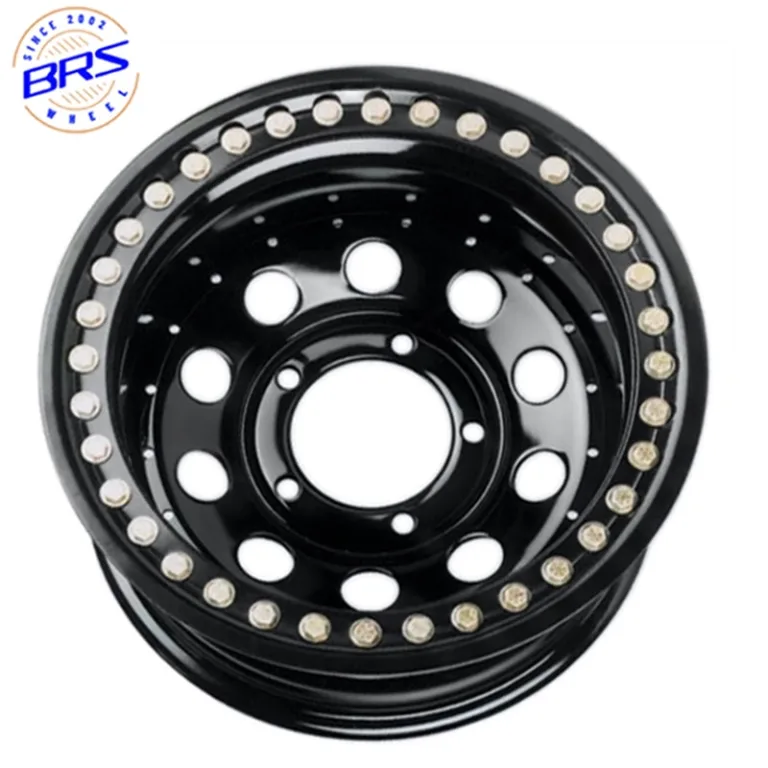
The width of a 16×8 rim is the distance from the inside of one bead to the inside of the other. This method yields a true width consistent with tire size charts. The bead is the part of the rim where the tire edge contacts and seals. Measuring from the outer edge will produce a larger value, which can be confusing.
To accurately measure rim width, follow these steps:
- Lie the rim on a flat surface.
- Use a tape measure or digital caliper.
- Measure the distance from the inside of one bead seat to the inside of the other bead seat.
This method ensures measurements conform to industry standards. Many experts use specialized tools such as digital calipers for the most accurate results. Some also use measuring rods or spoke gauges for added precision.
BRS is a leading steel wheel manufacturer, and all its products adhere to these industry standards. Their 16×8 rim models are designed and tested to meet stringent quality requirements. BRS is IATF 16949 certified, meaning their steel wheels undergo rigorous safety and performance testing. Their testing laboratories examine impact strength, load capacity, and fatigue performance. This process helps drivers trust the superior performance of BRS steel wheels on the road.
Common mistakes in measuring
People sometimes make mistakes when measuring rim width. These mistakes can lead to choosing the wrong tire size or installation problems. Here are some common mistakes:
- Measuring from the outer edge to the outer edge. This method will result in an overestimation.
- Using a ruler instead of a tape measure or calipers. Rulers are prone to slipping, leading to inaccurate readings.
- The measuring tool is not perpendicular to the rim seat. This will cause deviations in the actual width.
- Forgetting to measure only the rim seat area. The rim seat is the only critical part that determines tire installation.
Tip: Always double-check your measurements and use appropriate tools.
BRS offers 16×8 steel rims. Their attention to detail and rigorous quality control help customers avoid these common mistakes. By following the correct measurement methods, drivers can choose the right tires and enjoy safe driving.
16×8 rim and tire fitment
Recommended tire sizes
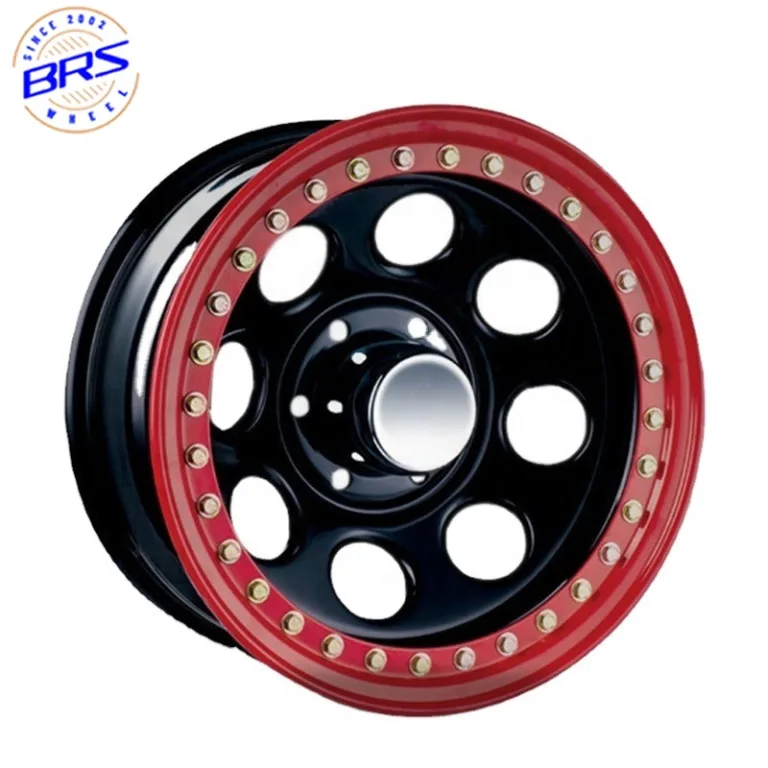
Choosing the right tire size for 16×8 rims helps ensure vehicle safety and good performance. Most drivers use tires with a width between 215 mm and 245 mm on 8-inch rims. This range strikes a good balance between grip, comfort, and handling. Some people also use larger tires, such as 285/75R16, which not only provides a good fit but also a wider track.
Tip: Always check the tire manufacturer’s guidelines before choosing your tire size.
Matching tire size to rim width is crucial for safety and performance. If the tires and rims don’t match, the following problems may occur:
- The vehicle may lose grip and become difficult to control during sharp cornering.
- Uneven tire wear may occur, affecting the vehicle’s balance and positioning.
- The suspension system may wear faster due to uneven stress.
- Braking distance may increase, making it difficult to stop quickly.
- The engine may consume more fuel due to uneven rolling resistance.
Drivers should always choose tire sizes that match the rim width to avoid these problems.
Vehicle compatibility
16×8 rims are suitable for a wide range of vehicle types. This size is commonly used on trucks, SUVs, and off-road vehicles. The wider rim provides better support for larger tires, contributing to better grip on rough terrain. It’s also suitable for trailers and some passenger cars that require robust steel wheels.
BRS offers a variety of custom options for 16×8 steel wheels. Customers can choose finishes such as gloss black, silver, or original steel. These options help match the rim to the vehicle’s style. Some models, such as the Vision D Window gloss black rim, combine durability and a stylish look. BRS makes it easy for drivers to find rims that suit both their vehicle and personal preferences.
Key Details for 16×8 rims
Common Applications
Many vehicle owners choose 16×8 rims because of their versatility and durability. These rims are suitable for various vehicle types, such as SUVs, light trucks, and off-road vehicles. The 16×8 size provides a larger tire contact patch, improving traction and stability. Therefore, 16×8 wheels are a good choice for drivers who frequently drive on rough roads or require stronger traction.
Some common bolt hole patterns for 16×8 wheels include:
- 6×139.7, common on trucks and SUVs
- 6×135, commonly used in Ford and newer half-ton pickup trucks
- 5×114.3, common in many SUVs, crossovers, and sedans
- 5×112, common in European and modern models
Drivers looking to upgrade their vehicles for off-road adventures often choose 16×8 wheels. These wheels can be paired with larger tires for better handling of mud, rocks, and rough terrain. Due to their robustness and durability, many also use them on trailers and multi-purpose vehicles.
A comparison of factory wheels and aftermarket wheels highlights their respective advantages:
| Type of Wheel | Advantages | Disadvantages |
|---|---|---|
| Factory Wheels | Excellent traction and handling on rough, muddy roads. Reliable and a perfect match for the vehicle. | They may not meet the demands of extreme off-road conditions. Customization options are limited. |
| Aftermarket Wheels | Can be customized to specific off-road needs. Performance upgrades improve handling. Lightweight options improve fuel efficiency. | Compatibility issues may arise if specifications do not match. High-quality options are more expensive. |
Steel wheels (such as those from BRS) are more durable than alloy wheels. Many users report that steel wheels do not crack or leak air even after years of use. Therefore, steel wheels are a wise choice for drivers who require durability.
Appearance
The appearance of 16×8 wheels can alter a vehicle’s overall visual appeal and handling. This wheel size affects the alignment between the wheel and the body. By selecting the appropriate wheel offset, such as +60, the wheel can be recessed deeper into the wheel arch. This design prevents the wheel from protruding beyond the fenders. Many off-road vehicles use this design because it creates a clean, understated look.
16×8 wheels can also accommodate wider tires, giving the vehicle a more aggressive appearance. A wider track improves both the vehicle’s visual appeal and handling. Many drivers appreciate this style because it makes the vehicle stand out on the road.
A well-chosen 16×8 wheel can enhance the performance and visual appeal of any vehicle.
BRS offers a variety of finishes for its 16×8 steel wheels, such as gloss black or silver. These options help drivers select the right wheels to match their vehicle’s style. The right wheels can make a car or truck stand out while providing the strength needed to handle harsh road conditions.
A 16×8 wheel is 8 inches wide. This size helps drivers choose the right tires and ensures a secure tire installation. Checking wheel size can prevent mistakes and contribute to better vehicle performance. Many experts recommend purchasing steel wheels from reputable brands. BRS is known for its excellent quality and new technology. The table below shows a comparison of BRS with other brands:
| Feature | BRS Steel Rims | Competitors |
|---|---|---|
| Performance | Outstanding performance | Varies |
| Quality | High-quality materials | Often lower quality |
| Reputation | Well-regarded in the market | Mixed reviews |
| Customization | Specifications can be tailored | Limited options |
| Technology | Advanced manufacturing | Standard methods |
Drivers who want robust and durable steel wheels should consider BRS as their next wheel option.
FAQ
How do I measure the width of a 16×8 wheel?
Tire width refers to the distance from the inside of one tire bead to the inside of another. This method conforms to industry standards and helps drivers choose the appropriate tire size.
What tire sizes are suitable for 16×8 rims?
Most drivers use tires with a width between 215 mm and 245 mm on 8-inch rims. This range provides good grip, comfort, and safety for many vehicles.
Are 16×8 rims suitable for all vehicles?
Not all vehicles are suitable for 16×8 rims. Trucks, SUVs, and off-road vehicles typically use this size. Drivers should check the bolt hole spacing and clearance before installation.
Why do manufacturers like BRS use steel to make 16×8 rims?
Steel is strong and durable. BRS uses high-quality steel to make its rims, resulting in a longer lifespan and greater resistance to damage. Their rims meet stringent safety and performance standards.
Does rim width affect vehicle performance?
Yes. Wider rims can support larger tires, thus improving grip and stability. Proper rim width helps improve vehicle handling and ensures even tire wear.