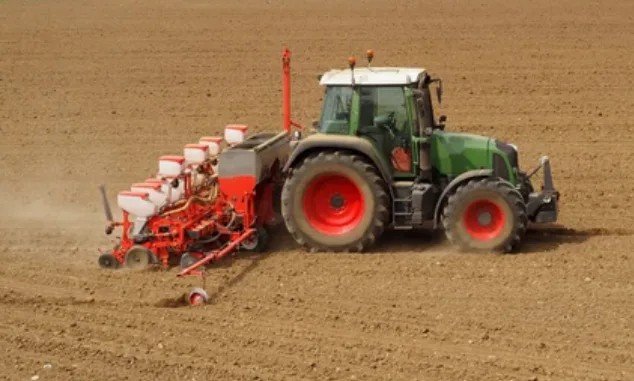
Reading agricultural rim sizes works differently from reading tire sidewall labels. Rim size stamps on steel wheels follow a [contour code + width × diameter] format (e.g. W15L x 38), while tire sizes use either bias-ply or radial formatting. The final number in any ag tire size always matches the nominal rim diameter in inches — this is the key link that lets you match tires to the correct wheel.
Key Takeaways
- Tire sizes are printed on the rubber sidewall; rim size stamps are marked on the steel wheel near the valve hole.
- The last number in any agricultural tire size is the nominal rim diameter in inches, which directly corresponds to the wheel you need.
- Rim stamps follow a contour code + width × diameter format; the contour code describes the flange shape that holds the tire bead in place.
- Always verify rim width, offset, center bore and contour code against the tire manufacturer’s specs to avoid fitment issues or premature tire damage.
- Cross-check the tire sidewall and rim stamp before ordering to prevent costly returns and operational downtime.
How to Read Ag Tire Sidewall Sizes
There are two standard formatting systems for agricultural tires, and both follow the same core rule: the final number always equals the nominal rim diameter in inches.
Bias-Ply Tire Format (e.g. 16.9-38)
Older bias-ply tires use inch-based sizing with a dash separator:
- First number (16.9): Tire section width in inches, measured at the widest point of the tire body.
- Dash symbol: Indicates bias-ply construction, where fabric plies cross at an angle. No aspect ratio is listed; sidewall height is determined by the ply design.
- Final number (38): Nominal rim diameter in inches. This tire mounts to a 38-inch wheel.
Radial Tire Format (e.g. 480/80R42)
Modern radial ag tires use metric sizing with a multi-part code:
- First number (480): Tire section width in millimeters. Divide by 25.4 to convert to inches for rim width comparison.
- Second number (80): Aspect ratio — sidewall height as a percentage of the section width.
- Letter R: Indicates radial construction, where cords run straight across the tread for more flexible sidewall performance.
- Final number (42): Nominal rim diameter in inches. This tire fits a 42-inch agricultural wheel.
| Format | Example | Width | Aspect Ratio | Construction | Rim Diameter |
|---|---|---|---|---|---|
| Bias-ply | 16.9-38 | 16.9 in | Not stated | Bias (dash marker) | 38 in |
| Radial | 480/80R42 | 480 mm | 80% | Radial (R marker) | 42 in |
How to Read Agricultural Rim Size Stamps
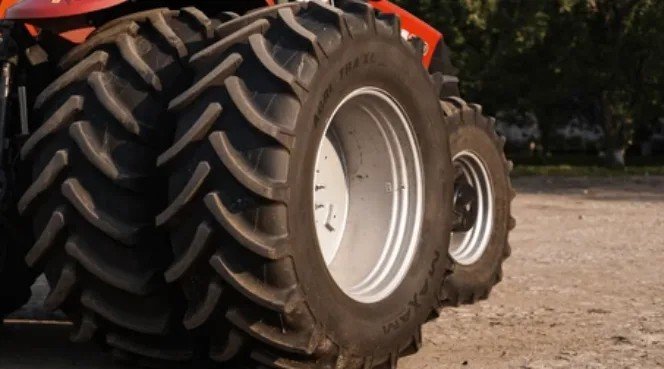
Rim size stamps are marked directly on the steel wheel, most often near the valve hole or on the wheel disc. They follow a standard structure: [Rim contour code] + [width] × [diameter] (e.g. W15L × 38).
Breakdown of a Rim Stamp
- Contour code: A short letter/number prefix (common codes: W, DW, L) that describes the shape of the rim flange — the lip that holds the tire bead in place. The contour must match the tire’s bead design for safe, secure seating under load.
- Rim width: The first number before the × symbol, measuring the distance between the two flanges where the tire bead seats.
- Rim diameter: The number after the × symbol, measuring the diameter across the bead seat, in inches. This number must match the final digit of the corresponding tire size.
Key Rim Specs Beyond Diameter
Diameter is only the starting point for fitment. Four additional specs determine whether a wheel will work safely with your tire and tractor:
- Rim width: Must fall within the tire manufacturer’s recommended range. Too narrow pinches the bead; too wide stretches the tire, both shortening tire life.
- Offset: The distance from the wheel’s mounting face to its centerline. Positive offset tucks the wheel inward; negative offset pushes it outward. Incorrect offset strains wheel bearings or causes tire rub against the frame.
- Center bore: The diameter of the pilot hole that centers the wheel on the hub. A mismatched bore causes vibration or prevents mounting entirely.
- Contour profile: The flange shape must match the tire bead design to hold the tire securely under heavy field loads.
For reference, BRS agricultural wheel rims are available in 5 to 30.5 inch diameters, with options including wide-profile flotation designs and asymmetric roll-formed contours to spread load across a larger footprint for reduced soil compaction.
How to Verify Tire & Rim Compatibility
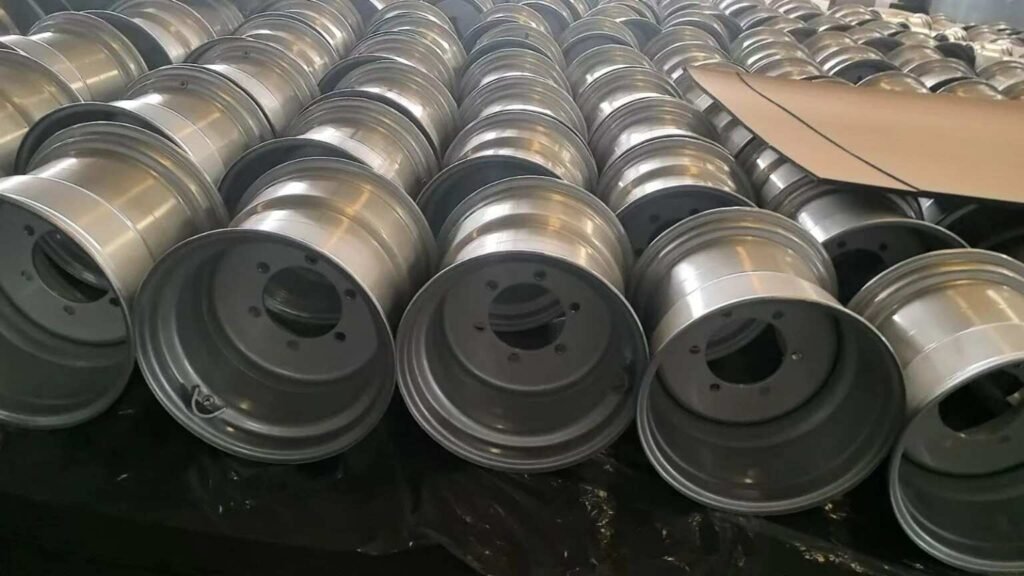
Follow these three steps to confirm a safe match before ordering:
- Confirm diameter match: Pull the final number from the tire size and verify it matches the rim diameter stamp.
- Check rim width range: Confirm the rim width falls within the tire manufacturer’s recommended width range for that tire size.
- Validate secondary specs: Cross-check rim contour code, offset and center bore against your tractor hub and tire bead requirements.
Always cross-reference against the official tire manufacturer specification sheet, not just the sidewall label, for the most accurate fitment data.
FAQ
What does the last number in an ag tire size mean?
The final number is always the nominal rim diameter in inches. For example, a 16.9-38 tire mounts to a 38-inch wheel, and a 480/80R42 tire fits a 42-inch wheel. This is the fastest way to match a tire to its correct wheel.
How do you tell a tire size apart from a rim stamp?
Tire sizes are printed on the rubber sidewall, with formats like 16.9-38 (bias) or 480/80R42 (radial). Rim stamps are marked on the steel wheel, and follow a width × diameter format with a contour code prefix (e.g. W15L × 38). One describes the rubber tire, the other describes the steel wheel.
Why does the rim contour code matter for fitment?
The contour code defines the shape of the rim flange that grips the tire bead. Codes like W, DW and L each have a distinct edge profile. A matching contour seats the bead evenly and holds it securely under field loads. A mismatched contour can allow the bead to slip, even if width and diameter are correct.
Can a wider rim change tire performance?
Yes. Rim width determines how the tire carcass spreads across the wheel. A wider rim flattens the tread and creates a larger contact patch for better traction. Always stay within the tire manufacturer’s recommended width range to avoid uneven wear or bead seating issues.
What should I verify before ordering an agricultural wheel?
Confirm four core specs: rim width, diameter, offset and contour code, plus center bore size. Cross-check all values against the tire manufacturer’s spec sheet and your tractor hub dimensions. This final check eliminates fitment errors and protects your purchase.