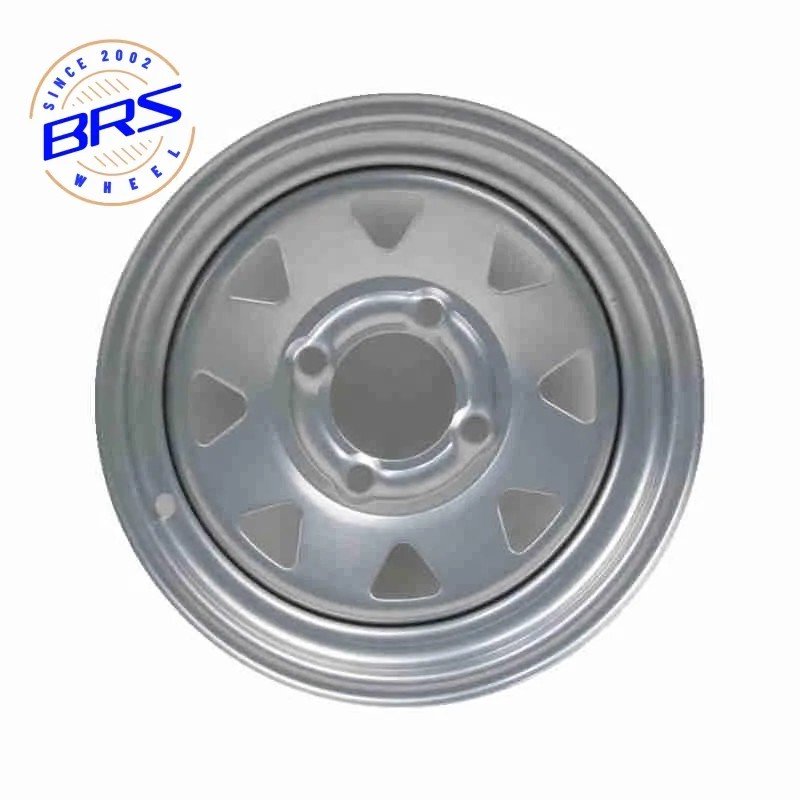
Dull, oxidized steel wheels can be restored to a bright, like-new finish at home with basic supplies, a soft cloth, and a little patience. The process follows four core stages: thorough pre-cleaning, surface inspection, targeted polishing, and protective sealing. The exact method depends on whether your wheels are bare steel or have a painted/electro-coated finish — using the wrong product can damage the factory coating. Regular polishing and protection can extend steel wheel life by up to two years, with a protective wax or clear coat lasting up to six months.
Key Takeaways
- Always start with a thorough soap-and-water wash to remove brake dust and road grime before polishing.
- Use a non-abrasive, steel-specific metal polish to restore shine without scratching or stripping coatings.
- Work in small sections, buff in overlapping circles, and inspect results under bright light for even results.
- Seal polished bare steel immediately with wheel wax or clear coat to prevent flash rust and lock in shine.
- Test your method on one hidden spot or single wheel first to build skill and avoid damage.
Prep Your Steel Wheels for Polishing
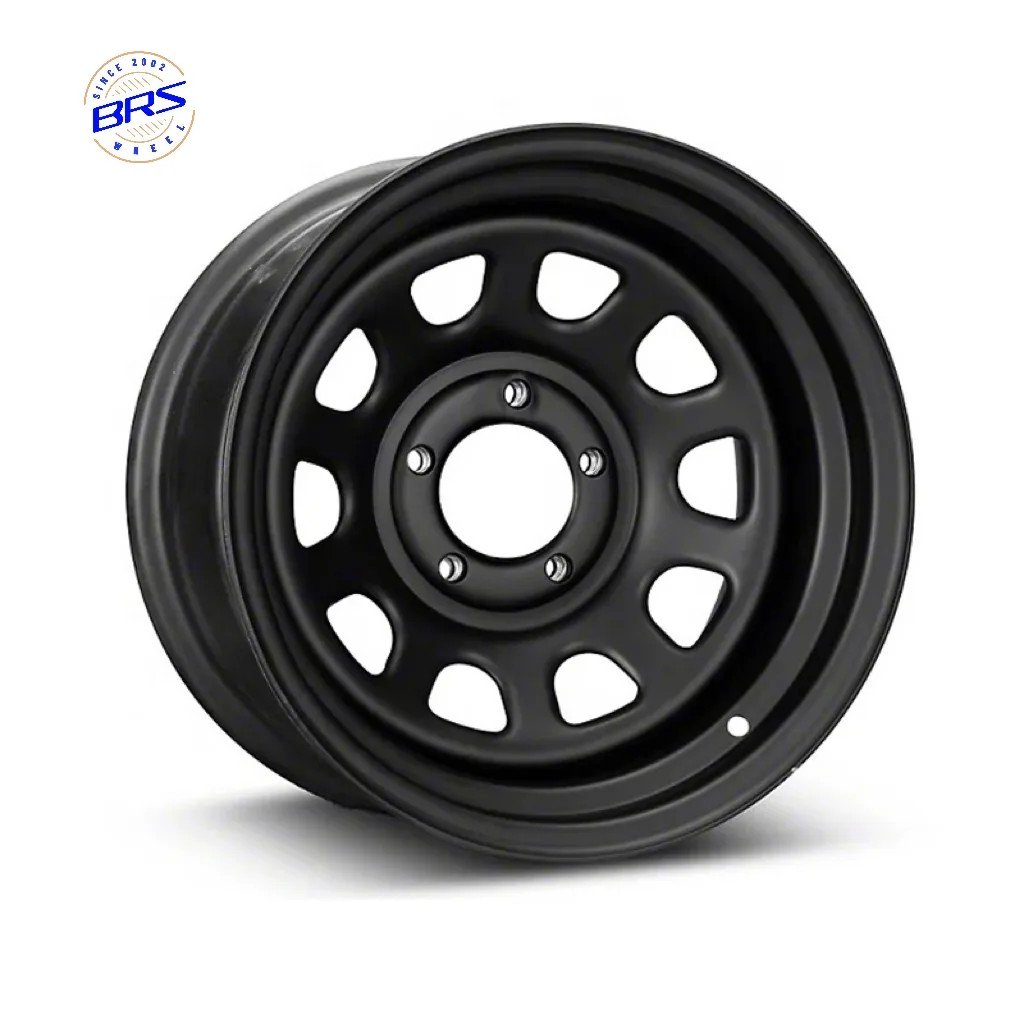
Polishing a dirty wheel only grinds dirt into the finish and hides underlying damage. Proper pre-cleaning takes roughly 15 minutes per wheel and ensures the polish bonds evenly to the metal.
Clean Thoroughly to Remove Surface Grime
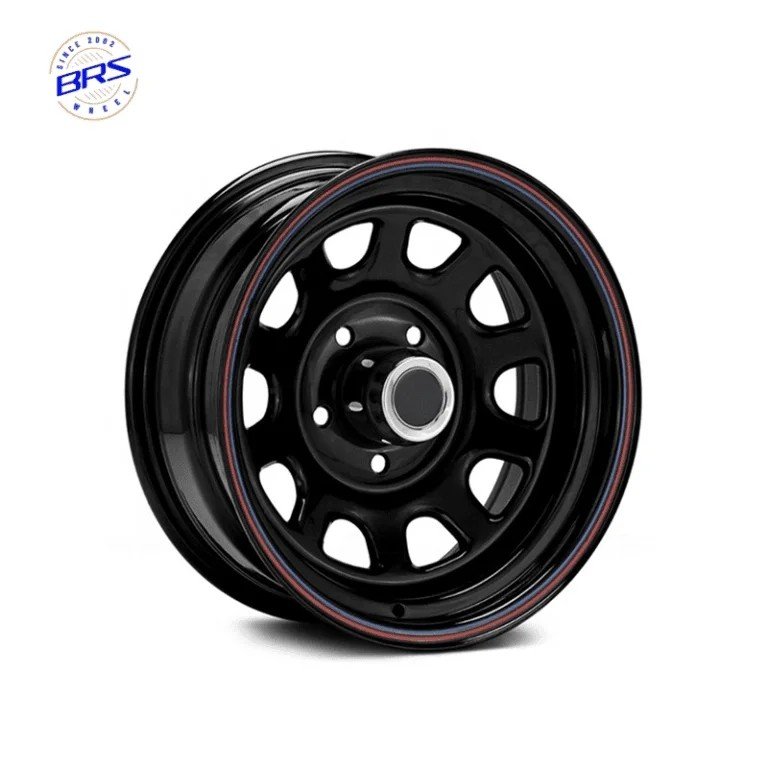
Wash wheels with mild soap and water first, using a soft-bristle detailing brush to loosen brake dust from spokes, lug holes, and vent openings. For painted or electro-coated wheels (common on many BRS steel wheels), avoid harsh abrasive cleaners — they can scratch or strip the factory finish. Work from the center outward in overlapping strokes to avoid missed spots, then dry fully with a clean towel. Water spots can hide scratches during inspection, so full drying is critical.
Inspect Surface Condition & Finish Type
Examine the clean wheel under bright light to identify your finish type and any damage:
- Bare steel: Gray metal surface, prone to surface rust and pitting.
- Painted/coated steel: Smooth factory finish; rust only appears where the coating has chipped through.
For bare steel with heavy rust, deep scratches, or pitting, wet sanding is required before polishing. Start with 220-grit sandpaper, work up through 400, 800, and 1000+ grits for a progressively smoother surface. Use WD-40 as a lubricant to reduce friction, carry away particles, and prevent airborne dust. Never dry sand — it creates excess heat and clogs sandpaper quickly.
For painted wheels, do not sand unless rust has broken through the coating. In that case, only sand the affected spot to remove loose material before touching up the finish.
Choose the Right Polish for Your Wheel Finish
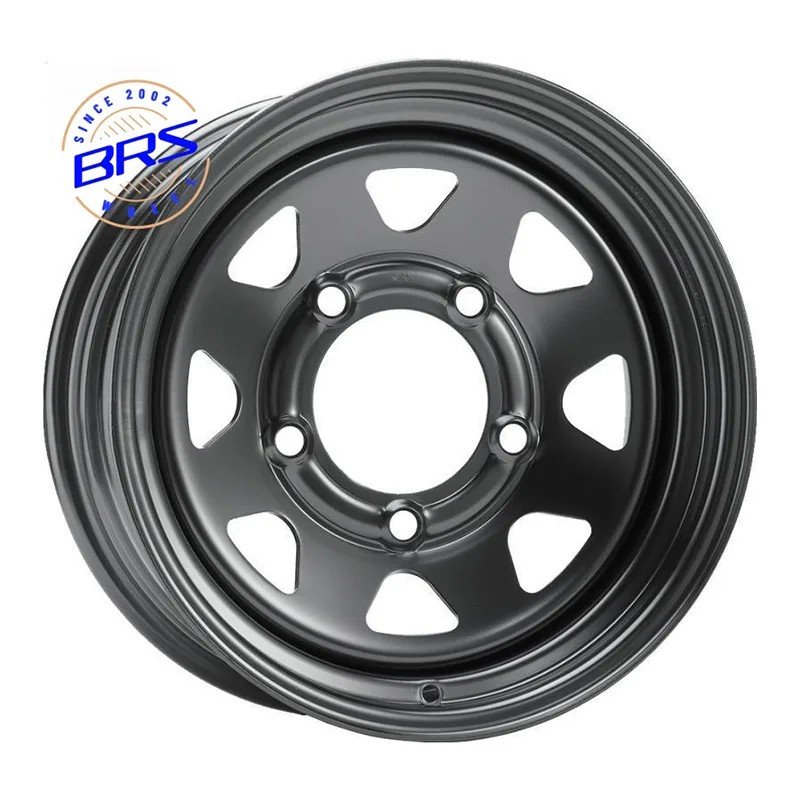
Not all metal polishes are safe for steel wheels, and the right product depends entirely on your wheel’s finish. Abrasive all-purpose cleaners can dull metal or strip protective coatings.
For Bare Steel Wheels
Use a steel-specific metal polish formulated to remove light oxidation and restore shine without scratching. Apply a small quarter-sized amount to a clean microfiber cloth, then rub into the metal with firm, even pressure. The polish breaks down surface contaminants and lifts grime; buff off residue with a fresh clean cloth before it dries.
For Painted or Clear-Coated Steel Wheels
Treat coated wheels like any painted surface — abrasive metal polish will strip the factory finish. Instead, use a non-abrasive plastic polish or cleaner wax formulated for painted surfaces. Recommended options include Mothers Plastic Polish for light oxidation and scratches, or California Gold carnauba wax for lasting protection. Apply with a soft foam pad using light pressure to avoid swirl marks.
Pro tip: Always test your chosen product on a hidden spot of the wheel first to confirm it does not damage the finish.
Step-by-Step Polishing Process
Apply Polish in Small Sections
Work on one dinner-plate sized section at a time. This prevents polish from drying on the surface before you buff it off. For bare steel, rub polish in firm, overlapping circular motions. For painted wheels, use light pressure and a soft foam applicator.
Buff for a Uniform, Glossy Finish
Buff in overlapping circular motions, overlapping each pass by about half the pad width to avoid streaks. Replace or clean your pad frequently as it loads up with old polish and grime.
Check your progress under multiple lighting conditions to catch uneven polishing:
- Sunlight reveals swirl marks from uneven pressure.
- Bright indoor light shows hazy, cloudy finish from overloaded pads.
- Direct side lighting highlights incomplete sanding or scratch patterns.
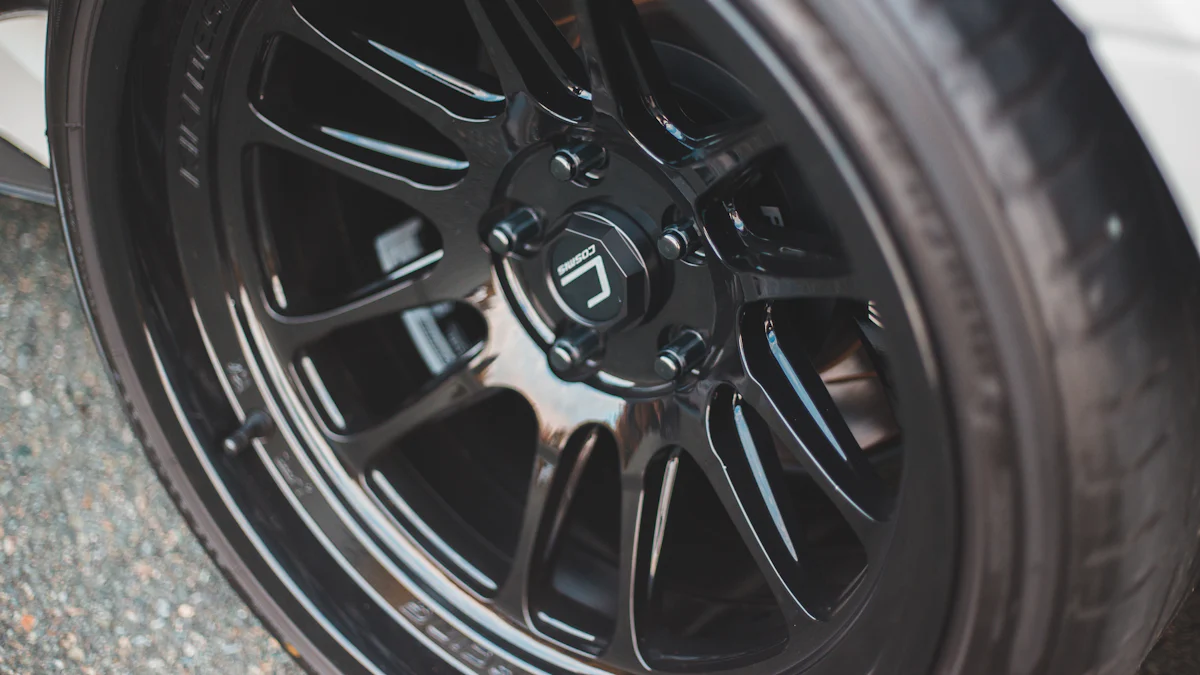
Repeat the polish-buff cycle until you achieve a consistent, glossy finish across the entire wheel. Pay extra attention to lug holes, spoke backs, and inner contours — these areas are easy to miss and often show uneven polishing once the wheel is shiny.
Troubleshooting & Protecting Your Shine
Fix Common Polishing Issues
Most uneven results come from technique errors, not product issues:
- Cloudy/hazy finish: Apply a small amount of fresh polish with light pressure, then buff with a clean cloth.
- Swirl marks: Use a clean pad and work in consistent circular motions; avoid excessive pressure.
- Missed spots: Touch up small areas with a dab of polish and a clean corner of the cloth.
Seal the Finish to Prevent Rust
Bare steel oxidizes very quickly after polishing — flash rust can appear in minutes if the surface is left unprotected.
- Dry the wheel completely immediately after polishing. Use compressed air to blow water out of lug holes and tight crevices, or a warm air stream to remove any remaining film.
- Apply a thin layer of wheel wax or clear coat to seal the metal and block moisture.
- Never touch freshly dried bare steel with bare hands — finger oils cause permanent rust spots.
A proper protective seal keeps shine for up to six months. If flash rust does appear, re-dry the area, polish out the rust, and re-seal.
FAQ
How often should you polish steel wheels?
Polish bare steel wheels whenever the finish looks dull or shows light oxidation. Painted or coated wheels only need regular washing and occasional waxing. A protective wax layer lasts up to six months with normal driving.
Can you polish painted or coated steel wheels?
Yes, but you must treat them like painted body panels. Use a non-abrasive polish or cleaner wax with a soft foam applicator. Abrasive metal polish will strip the factory paint or electro-coating.
How do you stop rust from forming after polishing?
Dry polished bare steel immediately with compressed or warm air, then apply a thin coat of wheel wax or clear sealant. Avoid touching fresh bare steel with bare fingers, as skin oils cause rust spots.
Do you always need to sand steel wheels before polishing?
No. Light surface rust and dullness can be removed with metal polish alone. Sanding is only required for heavy rust, deep scratches, or pitted surfaces. Never sand painted wheels unless rust has broken all the way through the coating.