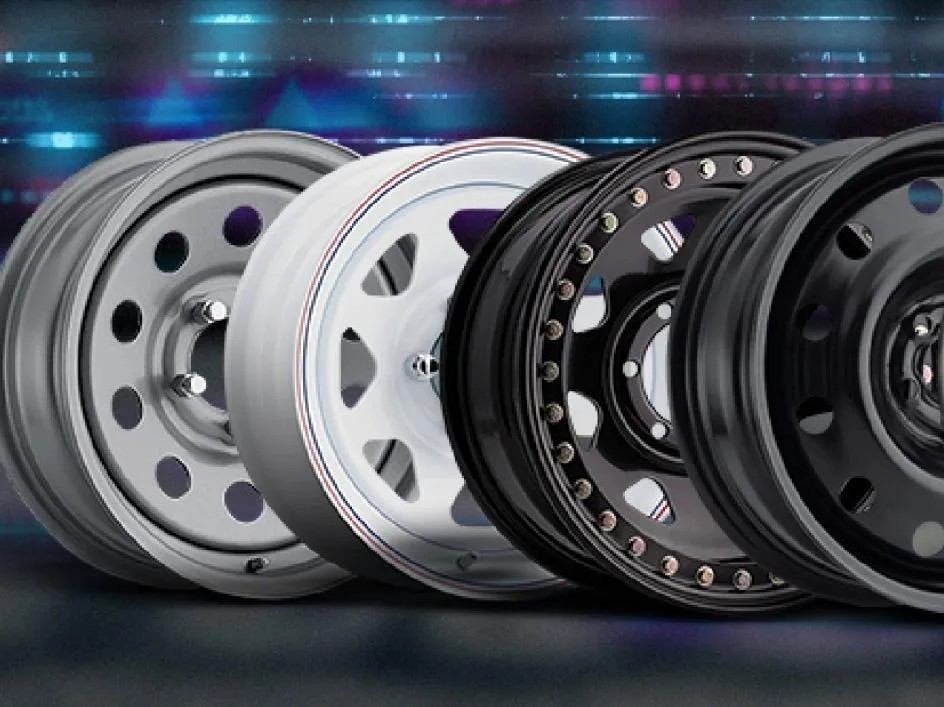

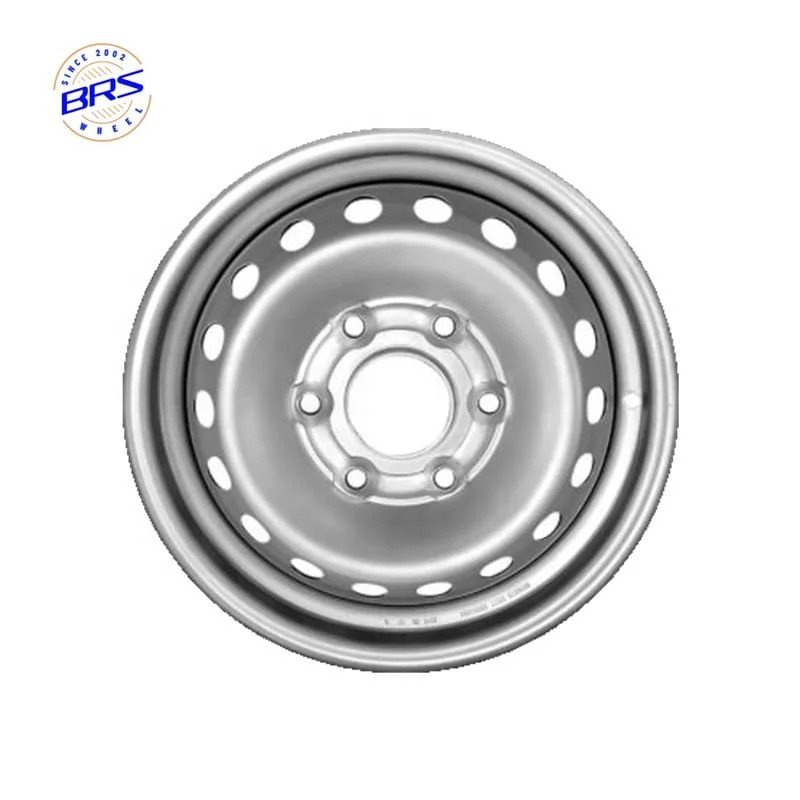
Sí, llantas de acero sí tienen un efecto sutil en la calidad de conducción, pero la diferencia suele ser menor para la conducción diaria. Dos características fundamentales del material impulsan este cambio: el peso adicional aumenta la masa no suspendida, y una mayor flexibilidad altera cómo se transfiere la vibración al habitáculo. Para la mayoría de los conductores, la elección del neumático, el tamaño de la llanta y la configuración de la suspensión tienen un impacto mucho mayor en la sensación de conducción que el material del aro por sí solo.
Puntos clave
- Las llantas de acero más pesadas añaden masa no suspendida, lo que ralentiza ligeramente la respuesta de la suspensión sobre los baches.
- El acero es más flexible que el aluminio fundido, lo que puede suavizar los impactos bruscos y amortiguar el pavimento irregular.
- El tamaño del neumático, la altura del flanco y la presión de aire suelen afectar la calidad de conducción más que el material de la llanta.
- Llantas de acero son ideales para la conducción invernal y construcciones con presupuesto ajustado, gracias a su robustez y su bajo coste de sustitución.
- Las llantas de aleación ofrecen un peso menor y una respuesta de dirección más precisa, lo que las hace mejores para el rendimiento y el estilo.
Cómo afectan las llantas de acero a la calidad de conducción
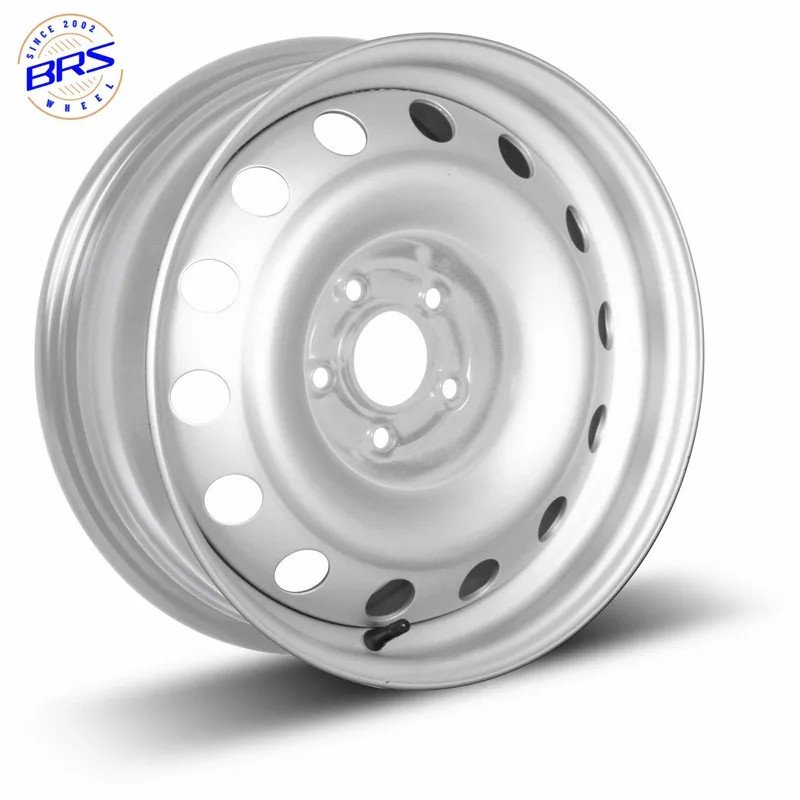
Dos diferencias mecánicas principales entre las llantas de acero y las de aleación determinan la sensación de conducción: el peso y la rigidez.
1. Peso y masa no suspendida
Las llantas de acero son aproximadamente un 20% más pesadas que los aros de aleación equivalentes. Este peso adicional se sitúa por debajo de los muelles de la suspensión, por lo que constituye masa no suspendida. El sistema de suspensión debe controlar esta masa en cada bache y desnivel de la carretera.
Un mayor peso no suspendido tiene tres efectos perceptibles:
- Slower suspension response: Heavier wheels cannot follow uneven road surfaces as quickly, so the tire loses contact with the pavement more easily over small, fast bumps.
- Slightly slower acceleration and braking: Extra rotational mass requires more energy to spin up and slow down. The effect is modest for daily driving but becomes more noticeable in heavy-duty or performance use.
- Longer settling time: The car takes slightly longer to stabilize after hitting a bump, which can feel less composed on rough roads.
2. Flexibility & Vibration Transfer
Steel is more flexible than cast aluminum, and this small amount of bend changes how road shock reaches the cabin.
- A steel rim absorbs and dampens some sharp, high-frequency impacts before they pass through the tire and suspension. On rough, cracked pavement, this can create a slightly softer, more isolated ride feel.
- Stiffer alloy wheels transmit more vibration directly to the steering wheel and cabin. This gives sharper, more direct road feedback preferred by performance drivers, but can feel harsher on rough surfaces.
Neither character is universally better — it depends on whether the driver prioritizes isolated comfort or connected road feel.
Steel vs. Alloy Wheels: Ride Quality Side-by-Side
| Factor | Ruedas de acero | Llantas de aleación |
|---|---|---|
| Peso | Heavier (~20% more) | Lighter, lower unsprung mass |
| Ride over rough pavement | Slightly softer; flex absorbs sharp impacts | Firmer; more vibration transfers to cabin |
| Steering feedback | Muted, less direct | Sharp, responsive road feel |
| Durabilidad ante impactos | Bends rather than cracks; easy and cheap to repair or replace | More prone to cracking on hard impacts; full replacement usually required |
| Coste | Low purchase and replacement cost | Higher upfront price |
| Ideal para | Winter setups, budget builds, rough roads | Performance driving, styled street builds |
Note that in smooth highway driving, the gap between the two is barely noticeable. Differences only become apparent on uneven pavement, potholes and aggressive cornering.
Factors That Matter More Than Wheel Material
For most drivers, these variables have a bigger effect on ride quality than whether rims are steel or alloy:
Wheel Size & Tire Specs
Tire sidewall height is the single biggest driver of ride comfort. Smaller wheels with taller sidewalls absorb bumps far better than large wheels with low-profile tires, regardless of rim material.
- Tire pressure also plays a major role: overinflated tires feel harsh and jumpy, while underinflated tires feel soft but vague in corners.
- Wheel width changes the shape of the tire contact patch, which alters grip and ride feel. A mismatched rim and tire combination will perform poorly even with a high-end tire.
Ajuste de la suspensión
A vehicle’s factory suspension design dictates how much road vibration reaches the cabin. Soft, comfort-tuned suspensions isolate passengers from bumps even with heavier wheels. Firm, sport-tuned suspensions amplify small differences in wheel weight and stiffness.
Road Conditions
On smooth highways and well-maintained streets, you will rarely feel a difference between steel and alloy wheels. The gap only becomes visible on cracked pavement, gravel roads and pothole-heavy routes.
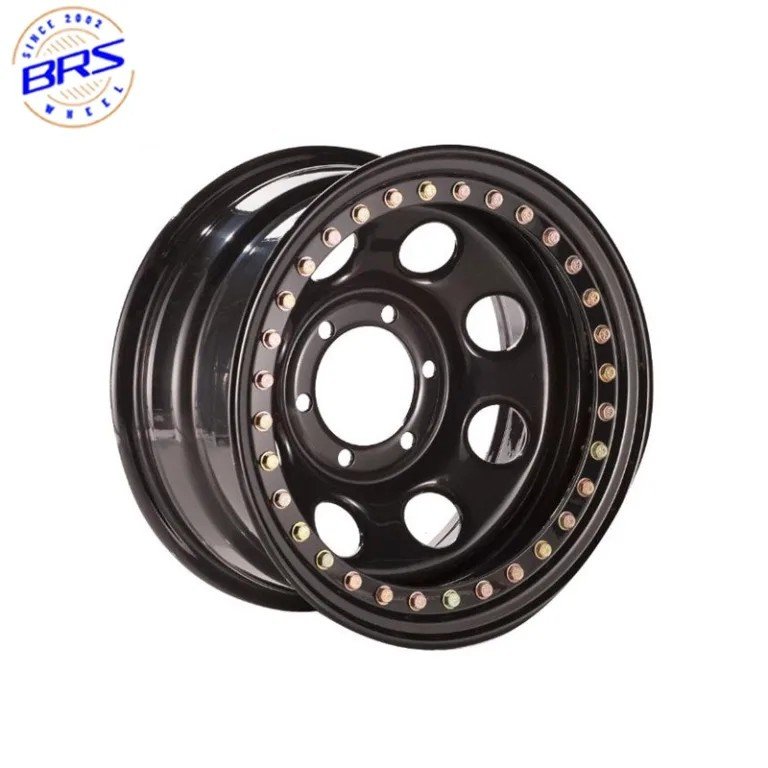
For drivers prioritizing durability and low cost for rough winter roads, Llantas de acero BRS are a well-regarded option. With 20+ years of manufacturing experience, the brand offers 6–18 inch rims for passenger cars, trailers and off-road use, with optional beadlock designs and custom finishes. Their impact-resistant construction holds up well to salt, potholes and curb strikes.
When Are Steel Wheels the Better Choice?
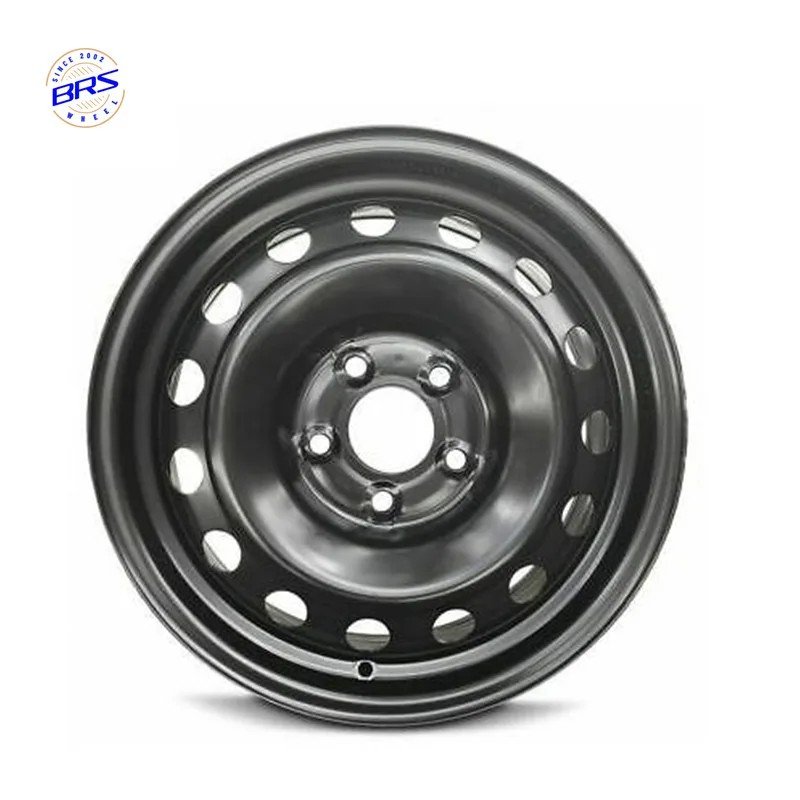
Steel wheels are the more practical pick in these scenarios:
- Winter tire setups: Cheaper to replace if damaged by road salt or curbs; steel holds up better to harsh winter conditions.
- Budget builds: Lower upfront cost and cheap replacement make them ideal for second sets of wheels.
- Rough/off-road use: A bent steel rim can often be straightened, while a cracked alloy must be fully replaced.
Alloy wheels make more sense for performance driving, show cars and daily setups where lighter weight and styling are priorities.
Preguntas frecuentes
Do steel wheels make a car noisier?
Not significantly. Steel rims flex slightly and can absorb some high-frequency vibration, which can actually soften sharp road impacts. Tire tread design and road surface have a much bigger effect on cabin noise than wheel material.
¿Las llantas de acero afectan el consumo de combustible?
There is a small penalty from extra rotational weight, but the effect is modest for normal daily driving. Tire pressure, driving style and vehicle size all influence fuel use far more than rim material.
Can shops properly balance steel wheels?
Yes. Steel rims mount and balance easily with standard shop equipment. A proper dynamic balance will keep vibration low at highway speed. For persistent shimmy, a road-force balance can resolve remaining issues.
Are steel wheels good for winter tires?
Yes, they are the standard choice for winter setups. Steel is highly resistant to salt damage and curb impacts, and replacement costs are low if a rim gets damaged. Winter tire performance depends almost entirely on the rubber itself, but steel rims are a durable, cost-effective mount.
Do steel wheels ride worse on the highway?
Usually not. On smooth pavement, there is almost no perceptible difference between steel and alloy. Ride quality gaps only show up on rough roads and sharp bumps. For regular highway commuting, steel wheels are perfectly comfortable.

Experto en la fabricación de llantas de acero
Pioneros en el sector de la fabricación de llantas para automóviles