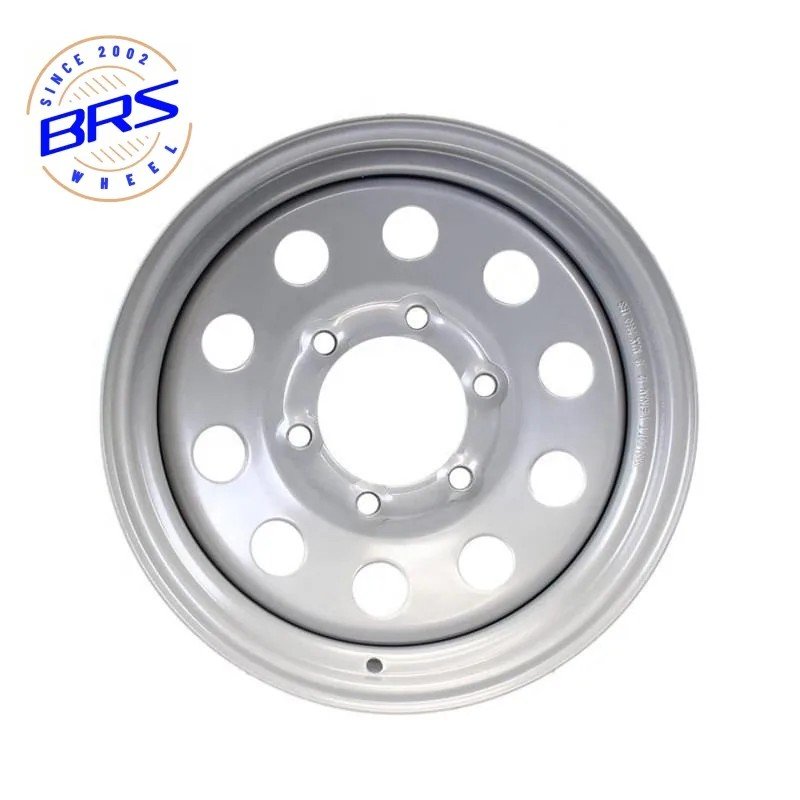
White trailer rims are the industry standard for utility, cargo, and work trailers — and it is not a style choice. The bright white finish serves four core practical purposes: it improves visibility in low light, reflects sunlight to keep wheels cooler, costs less to manufacture at scale, and makes dirt, damage, and corrosion easy to spot during inspections.
These advantages add up to make white the default factory finish for most over-the-road steel trailer wheels. This guide breaks down the core reasons, compares common rim finishes, and covers how to maintain white rims for long service life.
Wichtigste Erkenntnisse
- White trailer rims improve low-light visibility for drivers and yard inspectors, reducing backing and collision risk.
- The bright finish reflects sunlight, keeping wheels cooler and extending tire rubber service life.
- Standard white paint is the lowest-cost factory finish, making it the most economical choice for mass production.
- White surfaces reveal dirt, brake dust, and cracks early, simplifying preventive maintenance and safety inspections.
- Match your rim finish to your use case: white for road use, galvanized for marine, chrome for show trailers.
4 Core Reasons Trailer Rims Are White
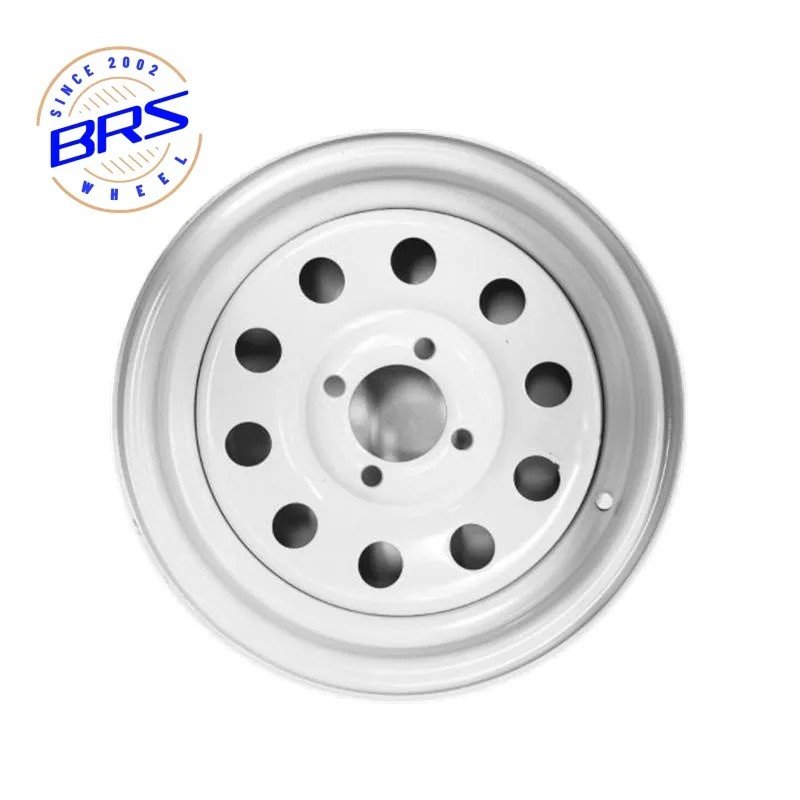
1. Improved Low-Light Visibility & Safety
White rims are far easier to spot against dark tires, muddy ground, and dim yard lighting. For busy farm yards, construction sites, and late-night road travel, this visibility is a safety feature, not an aesthetic one. Drivers and inspectors can identify trailer position, wheel movement, and alignment faster in low light, reducing backing accidents and near-misses.
This is the biggest reason white became the standard as trailers evolved from farm equipment to mass-produced utility models. A single universal bright color delivered consistent visibility across every work environment.
2. Reduced Heat & Longer Tire Life
White surfaces reflect roughly 80–90% of incoming sunlight, while dark colors absorb most light and convert it to heat. On long summer drives, a white rim can run 20–30°F cooler than an equivalent black rim.
This matters because heat accelerates rubber degradation: every 10°F increase in tire temperature speeds sidewall aging by roughly 20%. Cooler rims slow heat transfer to the tire bead, extending tire life and reducing blowout risk on long hauls.
3. Low Manufacturing Cost & Standardization
White paint is the cheapest, most efficient finish for mass-produced trailer wheels. Factories can spray one standard shade across every wheel size and model, with no custom color mixing, no line changeovers between batches, and simplified inventory management.
This efficiency keeps production lines moving and reduces waste, which is why nearly all utility and cargo trailers ship with white rims from the factory. Custom colors add cost and lead time, since they require dedicated batches and line cleanup. Many tire shops even charge a premium for black rims over the standard white option.
4. Easy Inspection & Preventive Maintenance
White finishes make every flaw visible. Road grime, brake dust, oil streaks, and deep scratches all stand out clearly against the bright background. On dark rims, the same damage can go unnoticed for months.
Early detection prevents costly damage: small chips and paint breaks expose bare steel to moisture, leading to under-film rust that spreads before it is visible to the naked eye. White rims make these issues easy to spot during routine walkarounds, so owners can treat corrosion early before it becomes structural. Obvious dirt build-up also reminds drivers to clean hubs and check tire pressure.
Common Trailer Rim Finish Types
White paint is the base standard, but there are four common finish options, each designed for a different use case. Wheel manufacturers like BRS offer all four across their trailer wheel lineups.
| Ausführung Typ | Durability Profile | Bestes Einsatzgebiet | Relative Cost |
|---|---|---|---|
| Painted white | Basic finish; prone to chipping on impact | General dry-road utility trailers | Niedrigster |
| Powder-coated white | Tougher cured finish; chip-resistant | Regular work trailers, frequent road use | Low-mid |
| Chrome plating | Bright reflective finish; prone to pitting in salt | Show trailers, light-duty custom builds | Hoch |
| Hot-dip galvanized | Excellent corrosion resistance from zinc coating | Boat/marine trailers, coastal saltwater use | Am höchsten |
- Painted white: The baseline factory finish. Lowest cost and easiest to touch up at home, but chips more easily than powder coat. Best for infrequent dry-road use.
- Powder-coated white: Dry powder cured into a tough, chip-resistant film. Slightly higher upfront cost, but much better durability for regular work use.
- Chrome plating: Bright mirror finish for custom and show trailers. More expensive, and prone to pitting in salt-heavy coastal environments.
- Hot-dip galvanized: Zinc-bonded steel for maximum corrosion resistance. The standard for boat trailers and coastal use, where salt water would quickly rust painted rims.
White vs. Dark Trailer Rims
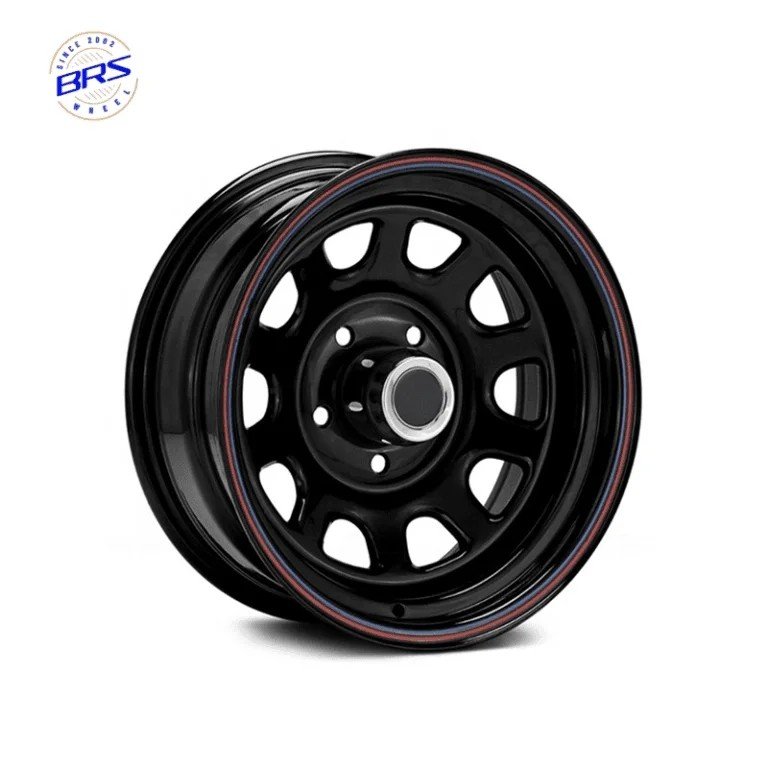
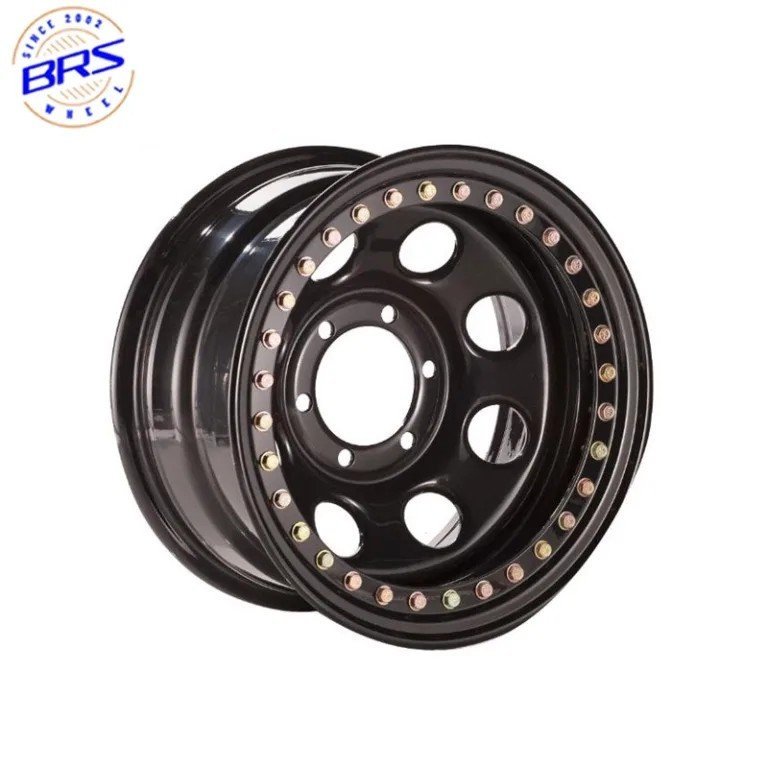
Dark (black, charcoal, gray) rims are popular for custom builds and show trailers, but they trade practical utility for style.
| Aspekt | White Rims | Dark Rims |
|---|---|---|
| Sun heat absorption | Reflects most light; runs cool | Absorbs most light; runs 20–30°F hotter |
| Dirt visibility | Very obvious; easy to spot issues early | Hides dirt; cleaner appearance between washes |
| Damage visibility | Scratches and rust show immediately | Damage can go unnoticed for months |
| Best fit | Work, utility, and fleet trailers | Custom, show, and hobby trailers |
Dark rims deliver a bolder, cleaner look between washes, but they run hotter in full sun, which shortens tire life. White rims are more practical for working trailers that sit outside all day. Neither is universally better — choose based on whether you prioritize utility or style.
How to Maintain White Trailer Rims
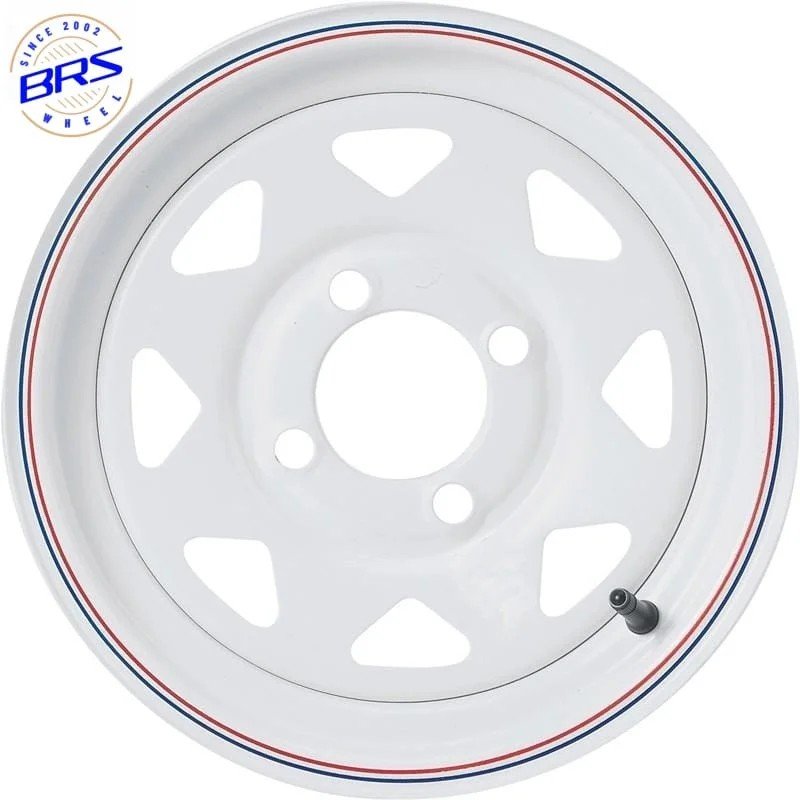
White paint shows every mark, but regular cleaning and early touch-ups keep them looking sharp and prevent structural rust.
Cleaning Best Practices
- Clean cool wheels in the shade, never in direct sun. Hot metal + cleaner can cause etching and permanent streaking.
- Rinse first to flush loose grit, then apply a pH-neutral wheel cleaner. Avoid harsh acid cleaners, which can etch paint and seep under chips to cause hidden rust.
- Use a soft-bristle brush for the rim face and a long brush for inside the barrel. Keep the surface wet the whole time to avoid grinding dirt into the finish.
- Rinse completely and dry with a microfiber towel to prevent water spots.
- For baked-on brake dust: use an iron remover solution (it turns purple as it dissolves embedded metal particles). Let it dwell, agitate gently, then rinse. Never use steel wool, oven cleaner, or harsh abrasives — they scratch paint and expose bare metal.
Damage & Rust Prevention
- Inspect rims after every wash, especially around the bead seat, lug holes, and valve stem — these are the most common spots for chipping and rust onset.
- Touch up small chips with hammered spray paint; the textured finish hides small imperfections and seals out moisture.
- Always have wheels balanced at every tire change. Unbalanced wheels wear tires faster and cause uneven paint wear patterns.
- For coastal or salt-road use, upgrade to powder-coated or galvanized rims for significantly longer service life.
FAQ
Do white rims suit every trailer?
No. White works well for utility, cargo, and horse trailers on dry roads. Boat and marine trailers in salt or brackish water need stronger corrosion protection — hot-dip galvanized rims are the best choice for those environments.
Can white trailer rims rust?
Yes. White paint only provides a cosmetic barrier, not corrosion protection. Chips and scratches expose bare steel to moisture, and rust can spread under the paint film. Regular inspection and early touch-ups prevent structural damage.
Can you repaint a white trailer rim at home?
Yes. Hammered spray paint works well for touch-ups, as the textured finish hides small imperfections. Always clean the wheel thoroughly first, and work in the shade to avoid drips and runs.
Should you balance trailer wheels?
Yes. Wheel balancing is critical at every tire change. Unbalanced wheels wear tires faster and cause uneven paint wear. Always request balancing when you have tires mounted.
Which finish is best for boat trailers?
Hot-dip galvanized steel is the standard for boat and marine trailers. The zinc coating provides far better corrosion resistance than paint in salt and brackish water. Many owners add wheel covers over galvanized rims for a cleaner look.