
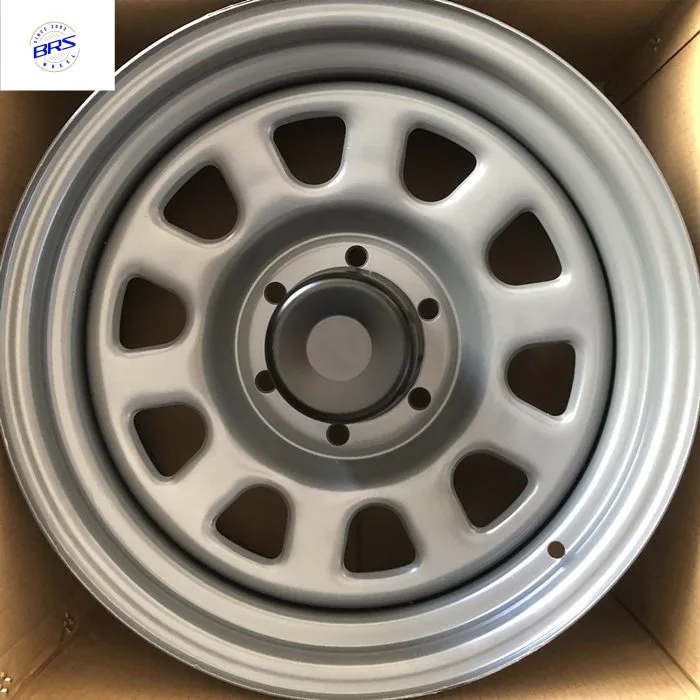
A 16 steel rim weighs about 8 to 9 kg. That is 17.6 to 19.8 lbs. Some OEM wheels can weigh 25 to 30 lbs. The weight of a steel rim depends on many things.
- Width, design, and thickness
- Manufacturer and how it will be used
- Rim construction type
Car owners should know the rim weight. Rim weight changes how the car works. It also affects safety and fuel use. Lighter rims help the car handle better. They make the engine work less. Every tire and wheel must be balanced. This gives the best results.
Wichtigste Erkenntnisse
- A 16-inch steel rim usually weighs 8 to 9 kg. That is about 17.6 to 19.8 lbs.
- Lighter rims help your car handle better. They also make your car use less fuel. This makes driving smoother and easier.
- Steel rims last a long time and are not expensive. They are good for hard driving, like in winter or off-road.
- Picking the right rim weight can make your ride more comfortable. It can also help your tires and suspension last longer.
- Always check the rim weight before you buy it. This helps your car work well and stay safe.
Steel Rim Weight Overview
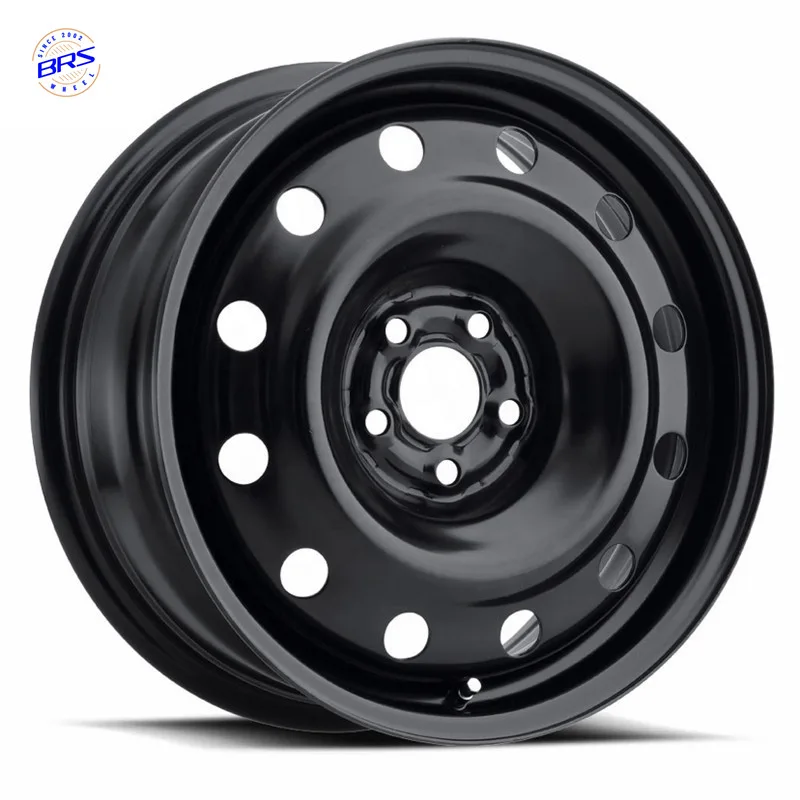
How Much Does a Steel Rim Weigh?
Automotive engineers look at steel rim weight to make cars safer and better. The weight changes based on what the rim is made of and how it looks. Manufacturers pick strong and light steel to keep rims tough but not heavy. They use new ways to design rims so they stay safe. Steel has special features like impact strength that affect rim weight. Stronger steel can make rims lighter and last longer.
Recent surveys show most steel rims weigh about 7 to 10 kg. This number changes with the size and type of car. For example, a 16-inch steel rim weighs around 8 to 9 kg, or 17.6 to 19.8 lbs. Some OEM wheels are heavier, about 25 to 30 lbs. Aftermarket wheels are often lighter than OEM wheels.
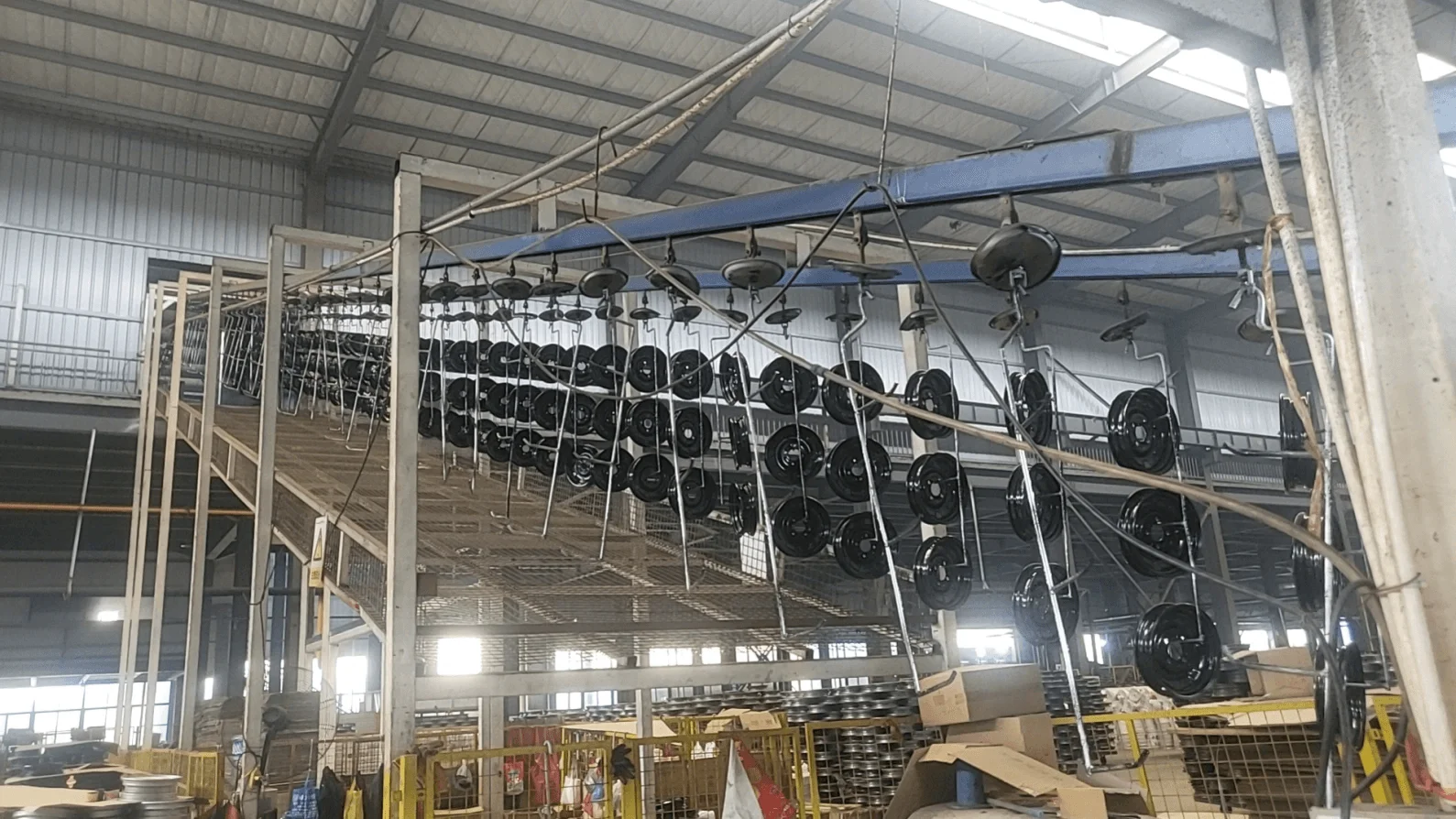
BRS is a leading manufacturer of steel wheels. They sell wheels ranging in size from 6 to 18 inches.BRS uses robots and machines in their factories. These tools help make rims faster and more alike. In 2024, almost half of rim factories used machines for forming and welding. This made rim weight easier to control and sped up production. BRS has the IATF 16949 certificate. This means their rims are safe, strong, and work well.
Note: Steel rim weight changes how tires and wheels work together. Lighter rims can help save gas and make cars handle better. Strong steel helps rims last longer and keeps tires safe.
16-Inch Steel Rim Weight Range
Many things change the weight of a 16-inch steel rim. These include steel type, rim thickness, and design. Rules in different places also change rim weight. Some places want lighter wheels to help save gas and meet rules. Makers use strong steel and special designs to make rims lighter.
Here is a table showing how rules and designs change rim weight:
| Evidence Description | Impact on Rim Weight |
|---|---|
| Strict emission rules need lighter rims to save fuel. | Makers must build lighter steel rims to follow these rules. |
| Using micro-alloyed strong steel cuts weight but keeps strength. | Lets rims be 10-15% lighter while still holding loads. |
| Better ventilation hole design lowers mass and meets standards. | Cuts steel wheel mass by 8.6%, important for big trucks. |
Most 16-inch steel rims weigh between 8 and 9 kg. OEM wheels can be as heavy as 25-30 lbs. Aftermarket rims are usually lighter. Rim weight affects tires, handling, and gas use. Companies like BRS use new materials and designs to meet these needs. Their steel wheels are strong and meet world standards.
Tip: Always check rim weight before buying new wheels. The right weight helps balance tires and makes driving smoother.
Steel Rim vs Alloy Rim Weight
16-Inch Steel Rim vs Alloy Rim
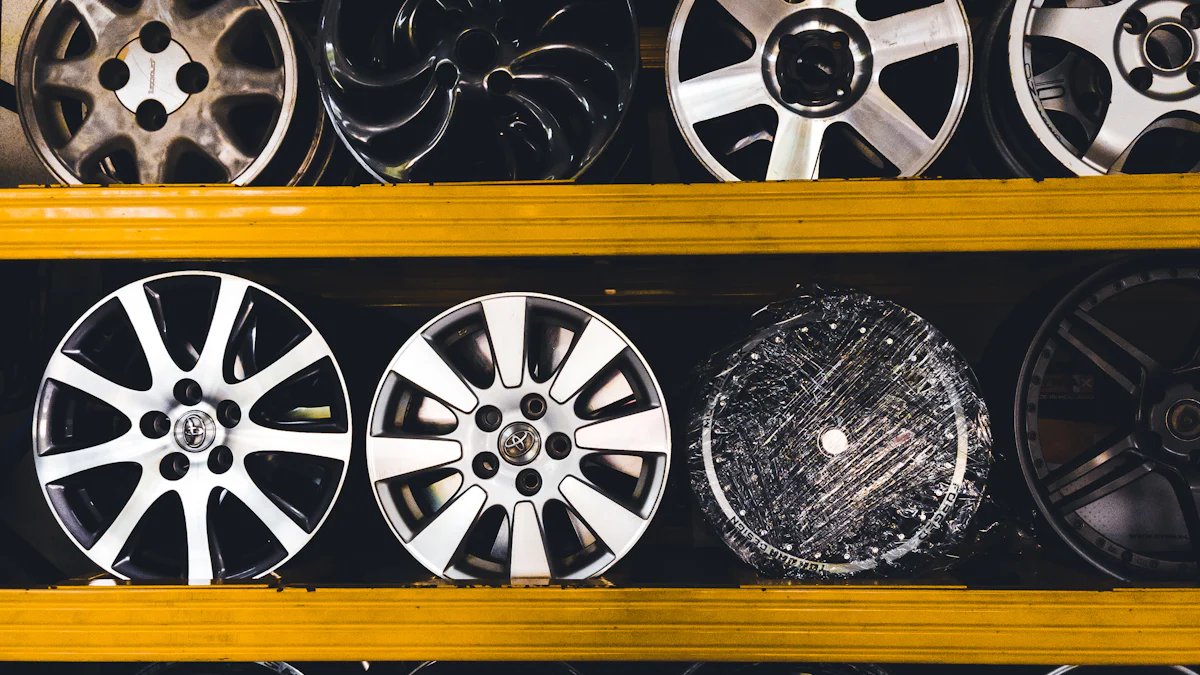
The weight of a rim can change how a car feels on the road. When comparing a 16-inch steel rim to a 16-inch alloy rim, the difference becomes clear. Most 16-inch steel rims weigh about 23 pounds, while 16-inch alloy rims weigh closer to 18 pounds. This lighter weight helps the car move and stop more easily.
Alloy rims are about 30% lighter than steel rims. This lower rotational weight means the engine does not have to work as hard. Drivers notice better handling, faster acceleration, and shorter stopping distances. The lighter alloy rim also helps save fuel. Steel rims, while heavier, offer strong impact resistance and are often used for tough driving conditions.
How Much Does a Rim Weigh in Different Sizes?
Rim size also affects the weight of a rim. As the rim size increases, both steel and alloy rims get heavier. The material makes a big difference. Steel rims for 15 to 18-inch sizes usually weigh between 7 and 10 kg. Alloy rims in the same sizes weigh less, often between 5 and 8 kg.
| Felgengröße | Material | Weight Range (kg) |
|---|---|---|
| 15-inch | Aluminium | 6 – 9 |
| 16-inch | Aluminium | 7 – 8 |
| 17-inch | Aluminium | 8 – 10 |
| 18-inch | Aluminium | Average reported |
| 15-inch | Stahl | 7 – 10 |
| 16-inch | Stahl | 7 – 10 |
| 17-inch | Stahl | 7 – 10 |
| 18-inch | Stahl | 7 – 10 |
Material and design both affect wheel weight. Steel rims use more metal, making them heavier. Alloy rims use aluminum, which is lighter. This difference in weight changes how the tire and wheels perform. Lighter rims reduce unsprung weight, which helps the suspension work better. Heavier rims can lower fuel efficiency because the car needs more energy to move.
Tip: When choosing new wheels, always check how much does a rim weigh. The right weight can improve ride comfort, handling, and even the life of your tire.
Rim Weight Impact on Performance
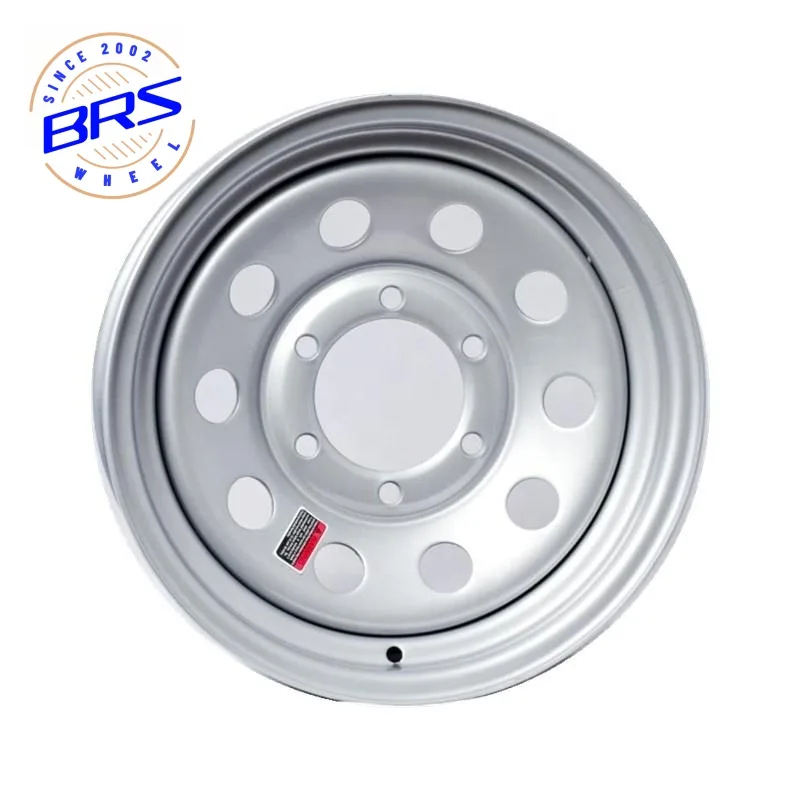
Handling and Ride Quality
Rim weight changes how a car feels on the road. Heavier wheels make steering feel slow and less direct. Drivers notice that the car does not respond quickly when they turn the wheel. Lighter rims give a nimble and sharp feeling. The car reacts faster to steering input. This happens because heavy wheels create more inertia. The suspension also works harder with more weight. It cannot absorb bumps as well, which makes the ride rougher.
The table below shows how different wheel sizes and weights affect driving:
| Aspekt | Smaller Wheels (Lighter) | Larger Wheels (Heavier) |
|---|---|---|
| Ride Quality | Softer, absorbs bumps better | Harsher, more road imperfections |
| Handhabung | Less grip, more flex | Better grip, stiffer sidewalls |
| Acceleration | Faster due to lighter weight | Slower due to heavier weight |
| Pothole Damage Risk | Lower risk, thicker sidewalls | Higher risk, thinner sidewalls |
| Straßenlärm | Quieter, more rubber | Louder, less rubber |
Fuel Economy and Durability
Wheel weight also affects fuel use and how long parts last. Lighter rims help the car use less fuel. The engine does not need to work as hard to move the car. Studies show that reducing wheel weight by 8–12 kg across all four wheels can improve fuel economy by up to 2%. The effect depends on how and where the car is driven.
- Lower unsprung mass means less stress on suspension parts.
- Lighter wheels allow dampers to control motion better, which improves comfort on rough roads.
- Less weight helps prevent fatigue for drivers and passengers on long trips.
- Heavier wheels put more load on the suspension, which can shorten the life of these parts.
A steel rim offers strength and durability, but drivers should always consider the right balance of weight for their vehicle. Choosing the correct wheel weight can improve ride comfort, handling, and even the life of the tire.
A 16-inch steel rim weighs about 8 to 9 kg. This rim is strong and lasts a long time. Many people pick steel wheels because they are cheap and tough. Rim weight changes how tires work and adds to the total weight if you use lighter wheels.
- 16-inch steel wheels are sturdy and stay good for years.
- They are used in work trucks, farm vehicles, and off-road cars.
- How rims are made and what they are made from changes their weight and strength.
| Felgenart | Gewicht | Quality | Kosten | Dauerhaftigkeit | Leistungsvorteile |
|---|---|---|---|---|---|
| Stahl | Schwerer | Gut | Niedrig | Hoch | Useful for rough roads and cold weather |
| Alloy | Feuerzeug | Überlegene | Höher | Mäßig | Better handling, faster starts, and quicker stops |
Picking the best rim means thinking about weight and quality. BRS steel wheels are dependable and meet strict rules.
FAQ
How much does a 16-inch steel rim weigh?
A 16-inch steel rim usually weighs between 8 and 9 kg, or about 17.6 to 19.8 lbs. Some OEM rims can weigh up to 30 lbs.
Why do steel rims weigh more than alloy rims?
Steel rims use more metal and have a denser structure. This makes them heavier than alloy rims, which use lighter materials like aluminum.
Does rim weight affect fuel economy?
Yes. Heavier rims make the engine work harder, which can lower fuel efficiency. Lighter rims help save fuel and improve acceleration.
Are steel rims good for winter driving?
Steel rims work well in winter. They resist damage from potholes and road salt. Many drivers choose steel wheels for snow tires.
What vehicles use 16-inch steel rims?
Many passenger cars, SUVs, and light trucks use 16-inch steel rims. These rims offer strength and durability for daily driving and tough conditions.