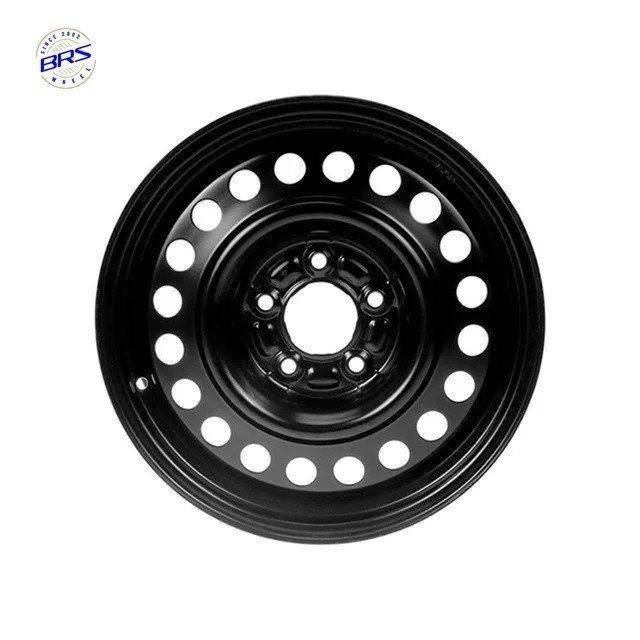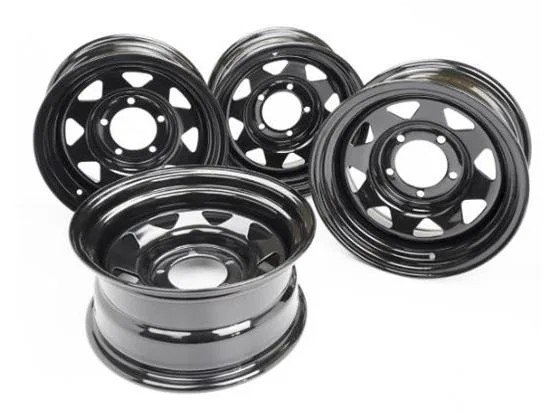

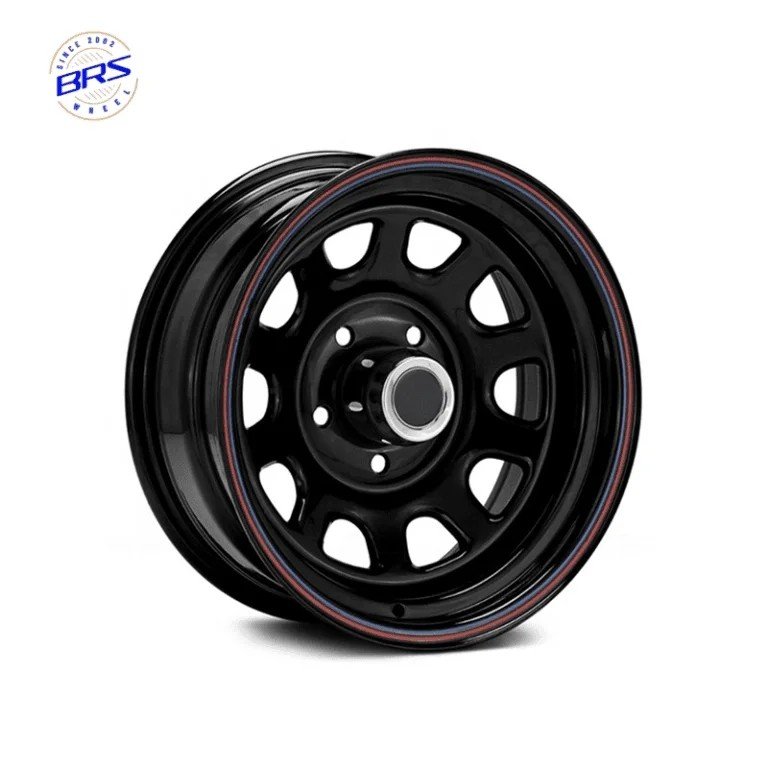
Yes, steel wheels are an excellent choice for off-road use, especially for low-speed rock crawling, heavy overlanding, and budget trail builds. They are prized for their forgiving impact behavior and trail-side repairability, though they carry real trade-offs in weight and on-road performance compared to alloy wheels.
There is no universal best option: steel excels in some scenarios, while alloy wheels perform better in others. The right choice depends on your typical terrain, vehicle load, and budget. This guide breaks down the pros and cons of each, and helps you match the wheel to your build.
Key Takeaways
- Steel wheels bend on impact instead of cracking, and can often be repaired on the trail with basic hand tools.
- Steel rims cost less upfront and are cheaper to replace, making them ideal for budget off-road builds.
- Steel wheels are heavier than alloy equivalents, which slightly reduces fuel economy and throttle response.
- Alloy wheels are lighter and dissipate brake heat better, making them the better pick for high-speed desert running.
- Choose steel for rock crawling, heavy loads, and remote trails; choose alloy for high-speed desert and pavement-focused builds.
Why Steel Wheels Work Well for Off-Roading
Forgiving Impact Performance & Trail Repairability
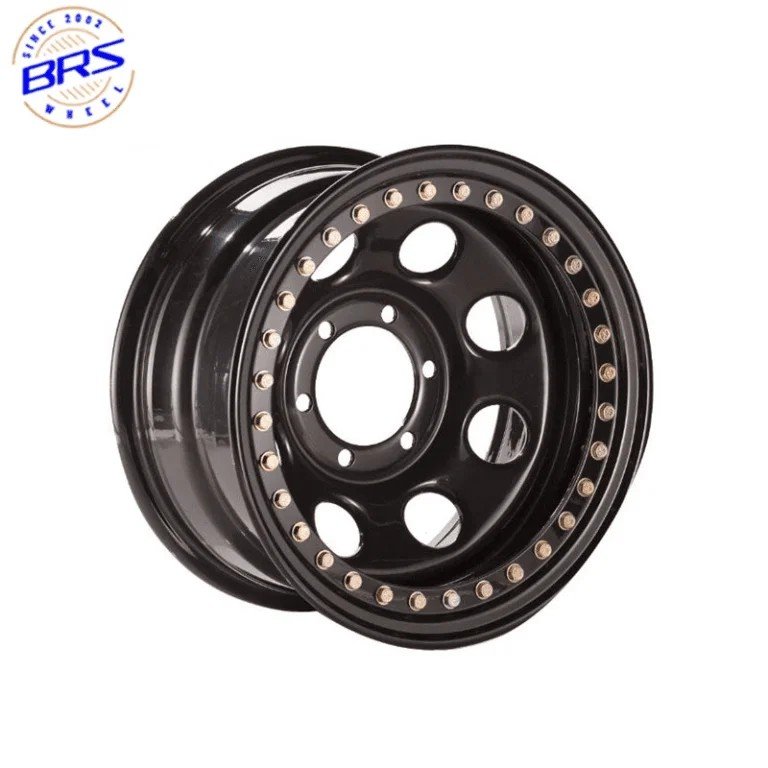
The biggest advantage of steel off-road wheels is how they fail: they bend rather than crack. When a steel rim strikes a rock or deep rut at low speed, the metal deforms to absorb impact energy, instead of transferring the full shock to the tire bead or suspension. In most cases, a bent steel rim will still hold air, allowing you to drive to a safe location.
Most minor bends can be fixed trail-side with nothing more than a mallet and a block of wood. You can hammer the lip back into shape and re-seat the bead to keep moving — a critical benefit on remote routes where a replacement wheel may be miles away.
Reputable wheel manufacturers like BRS produce off-road steel wheels in 6–18 inch sizes for trucks, SUVs, ATVs, trailers, and agricultural machinery. Built to IATF 16949 certified quality standards, they offer full customization of size, material grade, and powder coat color to fit specific build requirements.
Low Cost & High Durability
Steel rims are significantly cheaper per wheel than alloy equivalents. A damaged steel wheel is also inexpensive to repair or replace, leaving more budget for tires, recovery gear, or suspension upgrades.
For heavy-use and fleet vehicles, steel wheels deliver lower long-term operating costs. Minor impacts that would ruin an alloy rim can often be straightened and reused, reducing replacement frequency.
Steel vs. Alloy Wheels for Off-Road: Side-by-Side Comparison
The two wheel types behave very differently under stress, and each excels in different off-road scenarios.
| Factor | Steel Wheels | Alloy Wheels |
|---|---|---|
| Impact failure mode | Bends and absorbs energy; usually holds air | Cracks or shatters on severe impacts; often loses air immediately |
| Repairability | Field-repairable with basic tools | Cracked rims cannot be reliably trail-repaired |
| Weight | Heavier; higher unsprung mass | Lighter; lower rotating and unsprung weight |
| Brake heat dissipation | Poor; runs hotter under heavy braking | Excellent; pulls heat away from brakes faster |
| Cost | Lower upfront and replacement cost | Higher purchase price |
| Best use case | Low-speed rock crawling, heavy overlanding, budget builds, remote trails | High-speed desert running, mixed pavement/trail use, fuel efficiency builds |
When to Choose Between Steel vs. Alloy Wheels
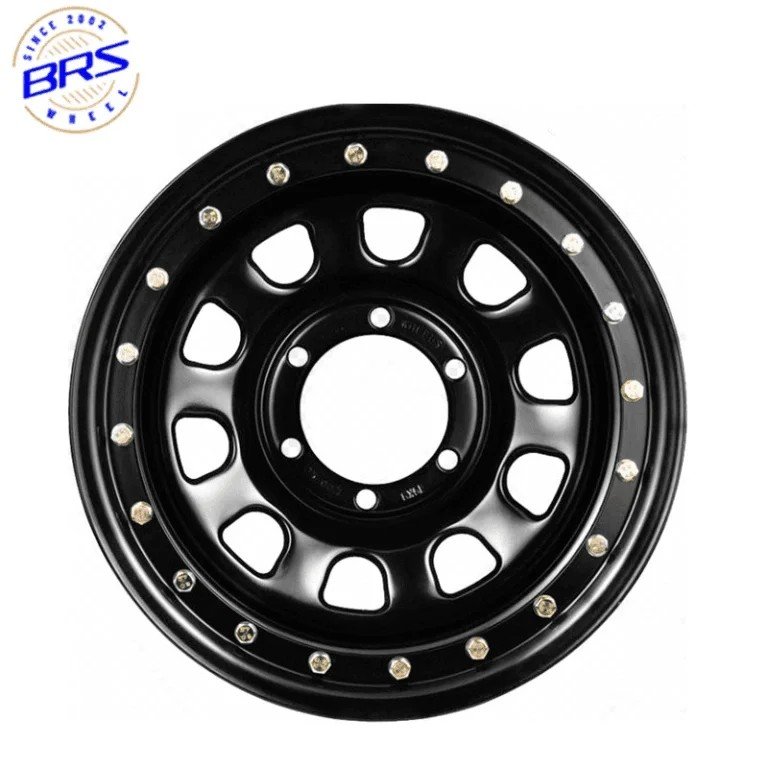
- Choose steel wheels for slow technical rock crawling, heavy overlanding loads, and budget-focused trail builds. Their ability to bend instead of break, and be fixed with simple tools, makes them the most reliable option for remote, low-speed terrain.
- Choose alloy wheels for high-speed desert running, builds that see lots of highway miles, and drivers prioritizing fuel efficiency. Lighter unsprung mass lets the suspension react faster over washboard and whoops, and better heat dissipation improves brake performance on long downhill grades.
FAQ
Can you repair a bent steel wheel on the trail?
Yes, in most cases. A minor bend in the rim lip can usually be straightened with a mallet and a block of wood to re-seat the tire bead. This lets you keep driving to a repair shop, even on remote routes. A cracked alloy wheel cannot be fixed this way.
Do steel wheels hurt fuel economy?
They have a small negative effect. Steel wheels weigh more than alloy wheels of the same size, and the extra rotating mass takes more energy to accelerate and slow down. The impact is modest for normal driving, but noticeable over long highway miles.
Do steel wheels fit modern off-road trucks and SUVs?
Yes. BRS manufactures steel off-road rims from 6 to 18 inches in diameter, covering most trucks, SUVs, Jeeps, and ATVs. Always confirm bolt pattern, offset, and brake clearance for your specific vehicle before ordering.
How long does a custom off-road steel wheel order take?
Custom steel wheels with bespoke sizing, material, and powder coat options typically have a 45–60 day lead time. Factor this window into your build schedule if you need a specific fitment or finish.
Which is better for a first off-road build?
It depends on your planned terrain. For slow trails, rock crawling, and heavy loads, steel is the safer, more cost-effective choice. For high-speed desert and mostly paved driving with occasional trail use, alloy wheels will be more enjoyable day to day. Always match the wheel to your actual use, not trend-driven aesthetics.