Aftermarket wheels can match or even outperform factory OEM rims, but the answer depends on build quality, intended use, and budget. A driver chasing track-ready handling may gravitate to lightweight forged aftermarket wheels, while someone wanting a hassle-free, guaranteed fit may stick with original equipment.
This guide compares OEM and aftermarket wheels across performance, durability, fitment, cost, warranty coverage, and resale impact. There’s no universal winner, but reputable aftermarket brands often deliver strong performance, broad style choice, and solid long-term value — while OEM rims offer peace of mind and factory-perfect fitment.
Key Takeaways
- Premium aftermarket wheels are often 25–30% lighter than OEM, improving handling, acceleration, and fuel efficiency.
- OEM wheels deliver a guaranteed perfect fit, strict quality consistency, and full vehicle warranty coverage.
- Aftermarket rims offer far more style customization and typically cost less than equivalent OEM replacements.
- Always verify bolt pattern, offset, center bore, and load rating before buying any wheels.
- Stick to reputable aftermarket brands with JWL/VIA certification for reliable durability and safety.
What Are OEM vs. Aftermarket Wheels?
OEM (original equipment manufacturer) wheels are designed and supplied directly by the automaker for your specific vehicle model. They are built to strict factory tolerances for runout, balance, and load capacity, and are covered under the vehicle’s warranty. Their consistent sizing and engineering guarantee a drop-in fit with no modifications.
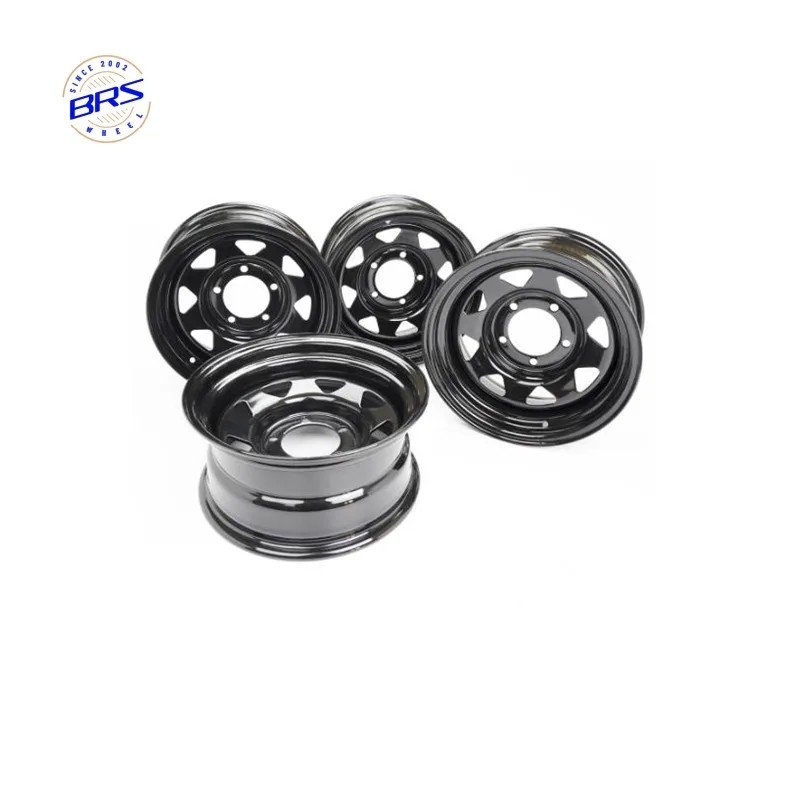
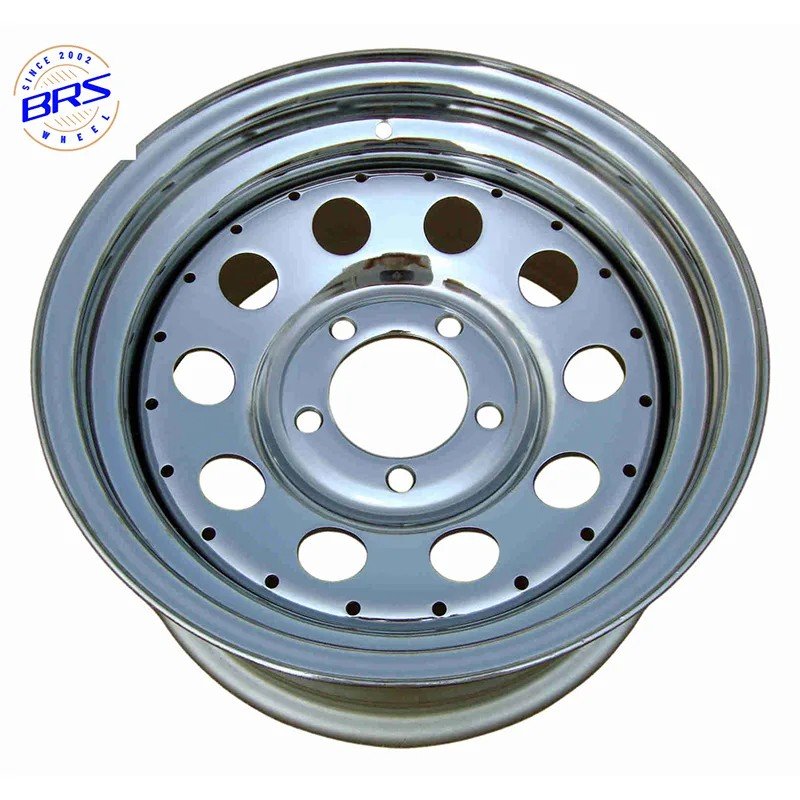
Aftermarket wheels are produced by third-party brands, designed to fit a wide range of vehicles. Quality varies dramatically: budget options use basic gravity casting, while premium lines use rotary forging or full forging for higher strength and lighter weight. Pricing ranges from far cheaper than OEM to significantly more for high-end forged models.
Common Wheel Manufacturing Methods
The build process defines strength, weight, and price point:
- Cast wheels: ~90% of OEM wheels use low-pressure casting. Molten aluminum is poured into a mold, resulting in durable but heavier wheels. They work well for daily driving but have more internal porosity.
- Rotary forged (flow-formed): A hybrid process — the face is cast, then the barrel is heated, spun, and pressed to align the metal grain. They are 15–25% lighter than cast wheels with higher tensile strength.
- Fully forged: Made from aerospace-grade 6061-T6 aluminum pressed under 8,000–10,000 tons of pressure. This eliminates porosity, creates a uniform grain structure, and delivers the highest strength-to-weight ratio. Fully forged wheels are 25–30% lighter than equivalent cast wheels.
OEM vs. Aftermarket Wheels: Key Differences
Fitment & Compatibility
OEM wheels are engineered for your exact make, model, and model year, so they fit perfectly with no guesswork. Aftermarket wheels come in thousands of sizes, so you must verify four critical specs before purchase:
- Bolt pattern: Must match exactly.
- Offset: Should be within ~3 mm of factory specification.
- Center bore: Must equal or exceed OEM size; use hub-centric rings if larger.
- Load rating: Must meet or exceed OEM rating, especially for heavy EVs and luxury SUVs.
VIN-based fitment tools reduce fit-related returns by 20–35% compared to manual lookup.
Cost, Warranty & Resale Value
| Factor | OEM Wheels | Aftermarket Wheels |
|---|---|---|
| Upfront cost | Higher, set by dealerships | Wide range; often cheaper than OEM, premium forged can cost more |
| Warranty coverage | Fully covered under vehicle warranty | Does not void full vehicle warranty (Magnuson-Moss Act), but failures caused by improper fit/spec may be denied |
| Style options | Very limited (factory designs only) | Hundreds of spoke patterns, finishes, and colors |
| Resale value | Preserves factory stock value | May appeal to niche buyers; can lower trade-in value with mainstream dealers |
Note: Under the Magnuson-Moss Warranty Act, installing aftermarket wheels does not automatically void your entire vehicle warranty. The manufacturer must prove the aftermarket part caused the failure to deny a claim.
Stock or Aftermarket Wheels: Which to Choose?
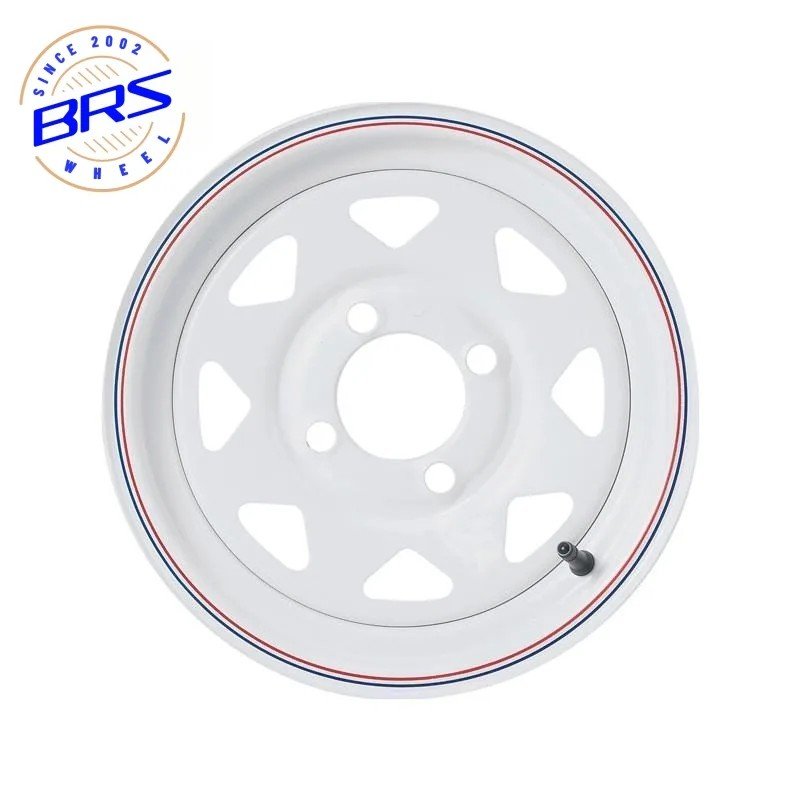
When OEM Wheels Make Sense
Choose OEM wheels if:
- You want a guaranteed perfect fit with zero compatibility risk.
- You want to keep full, hassle-free warranty coverage.
- You plan to sell the vehicle soon and want to preserve stock resale value.
- You drive a heavy EV or luxury SUV where load ratings are critical.
When Aftermarket Wheels Win
Choose aftermarket wheels if:
- You want to upgrade performance with lighter, stronger forged or flow-formed rims.
- You want to customize your vehicle’s look with unique styles, finishes, and sizes.
- You’re on a budget and want cheaper replacement wheels than dealer OEM pricing.
- You plan to keep the vehicle long-term and want to tailor it to your driving style.
Pro tip: Always look for JWL or VIA safety certification on aftermarket wheels, and choose new rims over refurbished units, which may hide hidden structural stress.
FAQ
Do aftermarket wheels last as long as OEM?
It depends on the brand and material. Premium aftermarket wheels from reputable manufacturers can match or exceed OEM lifespan. Cheap low-quality cast wheels typically wear out faster. Steel wheels generally outlast aluminum in harsh, high-impact driving.
Will aftermarket wheels void my car warranty?
No. The Magnuson-Moss Warranty Act prevents manufacturers from voiding your entire warranty for using aftermarket parts. However, a dealer can deny a claim if they prove the aftermarket wheel or its installation directly caused the failure.
Are lighter aftermarket wheels worth the cost?
For performance-focused drivers, yes. Reducing unsprung mass improves steering response, acceleration, and ride quality. Track tests show measurable lap time and acceleration gains. For daily commuting, mid-tier cast aftermarket wheels often offer better overall value.
What fitment details matter most when buying wheels?
Always verify four specs: exact bolt pattern, offset within ~3mm of factory, center bore size, and load rating meeting or exceeding OEM. Hub-centric rings are recommended if the center bore is larger than OEM.
Can aftermarket wheels hurt resale value?
They can. Most dealerships value stock wheels higher for trade-in. Custom aftermarket rims may appeal to some private buyers, but they typically do not add resale value and can reduce appeal for mainstream buyers.