Echte Werksräder sind teurer als andere Räder aus vielen Gründen. Die Hersteller verwenden überlegene Technik und hochwertige Materialien. Sie müssen sich an besondere Vorschriften halten, und die Produktion ist begrenzt. Der höhere Preis ist auch auf die Garantieleistungen und den Bekanntheitsgrad der Marke zurückzuführen. In den Augen vieler Menschen stehen diese Räder für gute Qualität und Zuverlässigkeit. Die Verbraucher sind bereit, für mehr Sicherheit und Leistung einen höheren Preis zu zahlen.
- Überlegene Technik
- Hochwertige Materialien
- Besondere Bestimmungen
- Begrenzte Produktion
- Garantieservice
- Markenbekanntheit
Wichtigste Erkenntnisse
- OEM-Räder sind teuer, weil sie aus sorgfältig verarbeiteten und langlebigen Materialien hergestellt werden. Diese Materialien tragen zu Ihrer Sicherheit bei und gewährleisten eine hervorragende Fahrzeugleistung. Strenge Sicherheitsvorschriften und umfangreiche Tests garantieren die Sicherheit von Original-Werksrädern. Deshalb können Sie ihnen vertrauen. Die Menschen sind mit den Marken der Original-Fabrikräder vertraut, daher werden sie als hochwertig und langlebig wahrgenommen. Die Marke selbst verleiht ihnen einen höheren Wert, so dass sie ihren Wert behalten. Die Menschen glauben, dass der Besitz dieser Räder ein Zeichen dafür ist, dass Ihr Auto leistungsfähig und langlebig ist.
OEM-Räder Technik
Entwurf und Prüfung
Ingenieure stellen Räder für die Erstausrüstung (OEM) bestimmter Automodelle her. Anhand von Computermodellen untersuchen sie, wie die Räder funktionieren, und stellen so präzise geformte Räder her. Die Lochabstände, Einpresstiefen und Abmessungen der OEM-Räder sind perfekt auf jedes Fahrzeug abgestimmt. Diese Details stellen sicher, dass die Räder harmonisch mit der Aufhängung und den Bremssystemen zusammenarbeiten.
Tests sind für OEM-Räder von entscheidender Bedeutung. Nach der Herstellung der ersten Serie von Rädern führen die Ingenieure zahlreiche Tests durch, um zu prüfen, ob die Räder Stößen, Belastungen und Korrosion standhalten. In der folgenden Tabelle sind einige gängige Tests aufgeführt:
| Prüfprotokolle | Beschreibung |
|---|---|
| Stresstest | Prüft, ob das Rad starken Kräften standhalten kann. |
| Bewertung der Schlagzähigkeit | Prüft, ob das Rad mit plötzlichen Stößen umgehen kann. |
| Versuche zur Korrosionsbeständigkeit | Testet, ob das Rad der Witterung standhält. |
| Dauerhaftigkeitsprüfungen in der Praxis | Täuscht eine lange Nutzung vor, um sicherzustellen, dass das Rad funktioniert. |
Diese Tests sollen Schäden an den Rädern verhindern und ihnen helfen, die strengen gesetzlichen Anforderungen zu erfüllen.
Sicherheitsstandards
Bei der Herstellung von OEM-Rädern steht die Sicherheit an erster Stelle. Das Unternehmen muss Normen wie SAE, JWL, VIA und TÜV einhalten. Um die Sicherheit der Räder zu gewährleisten, werden hochintensive Stoß- und Ermüdungstests durchgeführt. Die Ingenieure verwenden Dehnungs- und Bersttests, um das Sicherheitsniveau zu bewerten.
In der nachstehenden Tabelle werden die Sicherheitsvorschriften für Räder der Erstausrüstung (OEM) und Räder des Nachrüstungsmarktes verglichen:
| Prüfung Typ | OEM-Räder Standards | Aftermarket-Räder Normen |
|---|---|---|
| Ermüdungsprüfung | Radial- und Kurventest | Keine Angaben |
| Aufprallprüfung | 13-Grad-Seitenaufpralltest (SAE J175) | Keine Angaben |
| Hydrostatische Berstprüfung | Wasserdüsen prüfen Sicherheitsabstand | Keine Angaben |
| Dehnungsmessstreifen / Spannungsanalyse | Besondere Belastungskontrollen | Keine Angaben |
| Maßkontrollen | Befolgt die Regeln der Tire and Rim Association | Keine Angaben |
| Metallurgische Prüfung | Sieht sich Stahl- und Aluminiumräder an | Keine Angaben |
| Beschichtungen Analyse | ASTM B117, ASTM D3170 | Keine Angaben |
| Einhaltung von Normen | Muss den ASTM- und ISO-Vorschriften entsprechen | Oft nicht getan |
Unser Unternehmen hält sich bei der Herstellung von OEM-Rädern streng an die Festigkeits- und Leistungsvorschriften. Dies gewährleistet die Sicherheit der Fahrer und verlängert die Lebensdauer der Räder.
OEM-Räder: Qualität und Kosten
Materialien und Fertigung
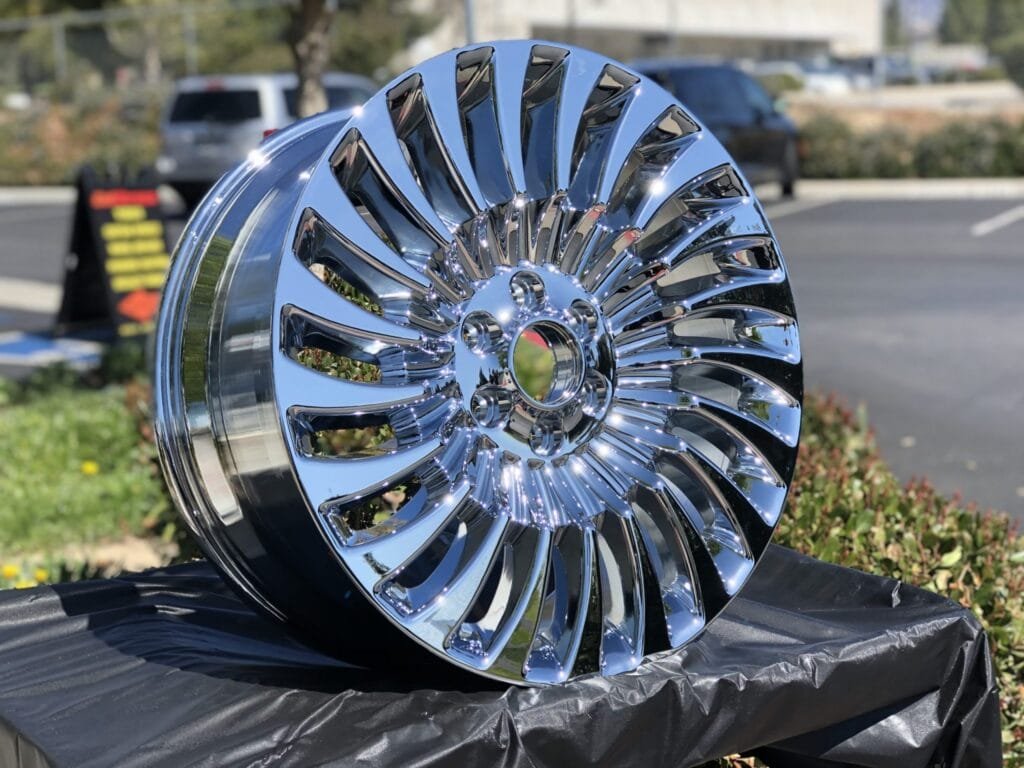
Die Hersteller wählen robuste und langlebige Materialien für OEM-Räder. Aluminiumlegierungen werden häufig für Fahrzeuge der Oberklasse verwendet. Stahl, der billiger ist, wird ebenfalls häufig für viele Räder der Erstausrüstung verwendet. Die Oberflächenbehandlung der Räder sorgt für zusätzlichen Schutz und Ästhetik. Einige Oberflächenbehandlungen umfassen silberfarbene Räder, schwarze Pulverbeschichtung Radund Verchromungsrad. Diese Behandlungen helfen, Rost zu verhindern und die Räder besser aussehen zu lassen.
| Material Typ | Beschreibung |
|---|---|
| Aluminium-Legierung | Wird in Fahrzeugen mit höherer Ausstattung verwendet. |
| Stahl | Günstigere Option für OEM-Räder. |
| Beendet | Silber lackiert, anthrazit, hyper-silber, schwarz pulverbeschichtet, CNC-gefräst, poliert, PVD, und Chrom. |
Die Herstellung von OEM-Rädern erfordert eine spezielle Ausrüstung und strenge Prüfverfahren. Roboter und Maschinen sind für die Formgebung und Oberflächenbehandlung der Räder verantwortlich. Die Pulverbeschichtung schützt das Rad und verleiht ihm Farbe. Die Kosten für die Pulverbeschichtung eines Rades liegen zwischen $98 und $130. Der Preis hängt von der Radgröße, den Maschinenkosten und dem Arbeitsaufwand ab. Das Unternehmen investiert in die Gewährleistung der Festigkeit und Lebensdauer der Räder.
| Art der Beschichtung | Kostenbereich (pro Felge) | Faktoren, die die Kosten beeinflussen |
|---|---|---|
| Pulverbeschichtung | $98 – $130 | Zustand, Größe, Struktur, Maschinenkosten, Arbeitsaufwand |
Hinweis: Die Verwendung hochwertiger Materialien und fortschrittlicher Ausrüstungen erhöht zwar die Kosten für OEM-Räder, macht sie aber auch sicherer und leistungsfähiger.
Zertifizierung und Konformität
Räder der Erstausrüstung (OEM) müssen vor dem Verkauf strenge Tests durchlaufen. Diese Prüfungen gewährleisten, dass die Räder sicher und zuverlässig sind. Die Norm CAPA 901 prüft den Herstellungsprozess und das Aussehen der Räder. Die Norm SAE J2530 prüft die Festigkeit und Sicherheit der Räder. Japanische Normen wie JWL und JWL-T erfordern ebenfalls strenge Prüfungen. Die VIA-Zertifizierung zeigt an, dass das Rad von einer japanischen Zertifizierungsstelle geprüft wurde.
| Zertifizierung | Beschreibung |
|---|---|
| CAPA-Norm 901 | Prüft Qualität, Leistung, Markierungen, Materialien, Größe und Aussehen auf Übereinstimmung mit OEM-Teilen. |
| SAE-Norm J2530 | Festigkeits- und Sicherheitstests mit Ermüdungs- und Stoßprüfungen. |
| JWL | Japanische Vorschrift für Leichtmetallräder mit harten Tests. |
| JWL-T | Zusätzliche Regeln zu JWL für mehr Kontrollen hinzugefügt. |
| VIA | Die Räder der Serie wurden von der Vehicle Inspection Association in Japan getestet. |
Die Hersteller halten sich an diese Normen, um die Sicherheit von Fahrern und Fahrzeugen zu gewährleisten. Die Zertifizierung ist zeit- und kostenaufwändiger, aber sie gewährleistet die Festigkeit und Zuverlässigkeit der Originalräder.
OEM-Räder vs. Aftermarket
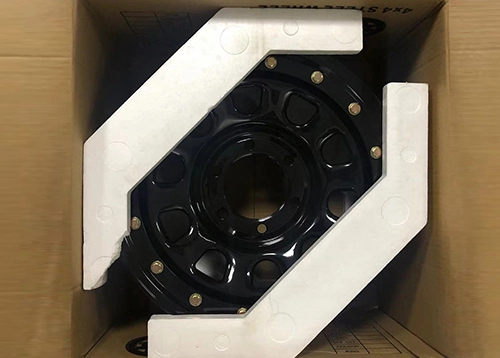
Passform und Kompatibilität
Kompatibilität und Passgenauigkeit sind bei der Wahl der Räder entscheidend. Original-Fabrikräder sind so konstruiert, dass sie perfekt zum Fahrzeug passen. Lochabstand, Einpresstiefe und Mittelbohrung sind identisch mit dem Fahrzeug und gewährleisten eine perfekte Passform mit den Bremsen und der Aufhängung.
Aftermarket-Räder gibt es in einer Vielzahl von Ausführungen und Größen. Manche Autobesitzer entscheiden sich aus ästhetischen Gründen für größere Räder, während andere sich für leichtere Räder entscheiden, um das Fahrverhalten zu verbessern. Nicht alle Aftermarket-Räder sind passgenau. Probleme können entstehen, wenn die Größe oder die Einpresstiefe nicht korrekt ist.
- Räder und Reifen wirken sich gemeinsam auf die Leistung des Fahrzeugs aus.
- Die Wahl der richtigen Nachrüsträder kann dazu beitragen, das Fahrverhalten und die Haftung des Fahrzeugs zu verbessern.
- Größere Felgen erfordern in der Regel Reifen mit dünneren Seitenwänden, was zu verstärkten Straßengeräuschen und einem ausgeprägteren Fahrverhalten führen kann.
- Schlecht sitzende Felgen können Reibung an Aufhängungskomponenten verursachen, was zu Schäden führen kann.
- Eine Änderung des Felgenversatzes wirkt sich auf Aufhängungs- und Fahrwerkskomponenten aus und kann zu Reibungen während des Fahrzeugbetriebs führen.
- Größere Reifen können zu ungenauen Tachometermessungen führen.
- Selbst kleine Änderungen der Reifengröße können Reibung verursachen.
- Um Probleme zu vermeiden, sollten Autofahrer die Felgengröße so nah wie möglich an den Werksspezifikationen halten. Reifenexperten können Ihnen helfen, die optimale Größe zu finden.
Werksfelgen machen alles einfacher. Sie passen perfekt und tragen zur Fahrzeugsicherheit bei.
Leistung und Sicherheit
Leistung und Sicherheit sind die Hauptgründe, warum man sich für Werksfelgen entscheidet. Diese Felgen werden vor dem Verkauf strengen Tests unterzogen. Sie müssen die Normen des US-Verkehrsministeriums (DOT) und der Society of Automotive Engineers (SAE) erfüllen. Werksfelgen unterliegen außerdem strengen Regeln für Festigkeits- und Haltbarkeitstests.
Im Laufe der Zeit hat sich auch die Qualität der Aftermarket-Felgen verbessert. Viele Produkte erfüllen jetzt die Normen des US-Verkehrsministeriums (DOT) und der Society of Automotive Engineers (SAE). Hochwertige Nachbauten sind sicher und zuverlässig. Einige minderwertige Räder können alle Tests nicht bestehen.
| Merkmal | OEM-Räder | Aftermarket-Räder |
|---|---|---|
| Leistungsstandards | DOT- und SAE-zertifiziert | Muss die DOT- und SAE-Normen erfüllen |
| Prüfprotokolle | Strenge Prüfprotokolle | Getestet auf radiale Ermüdung, Kurvenfahrt und Stoßfestigkeit |
| Garantie | Typischerweise begrenzt | Lebenslange strukturelle Garantie |
Zu Beginn des 21. Jahrhunderts stellten einige importierte Räder ein Sicherheitsrisiko dar. Heute haben umfassendere Vorschriften und Prüfmaßnahmen die Qualität von Nachrüsträdern verbessert. Hochwertige Nachrüsträder bieten gute Sicherheit und Leistung.
Tipp: Achten Sie beim Kauf von Aftermarket-Rädern immer auf die Angaben zur Zertifizierung. Dies hilft, die Sicherheit und Qualität der Räder zu gewährleisten.
Kostenunterschiede
Der Preisunterschied zwischen Rädern der Erstausrüstung (OEM) und Aftermarket-Rädern ist offensichtlich. OEM-Räder sind aufgrund ihres strengen Designs, ihrer strengen Tests und ihres Markenwerts teurer. Aftermarket-Räder variieren stark im Preis, einige sind billiger, während andere den gleichen Preis wie oder sogar teurer als OEM-Räder sind.
| Artikel | OEM (geschätzt) | Ersatzteilmarkt (geschätzt) | Anmerkungen |
|---|---|---|---|
| Radsatz (4) | $1,200–$3,200+ | $700-$2,500+ | Konstruktion, Marke und Verarbeitung bestimmen den Preis mehr als die Größe. |
| Befestigungselemente | Normalerweise enthalten | $30-$120 | Der richtige Sitztyp und die richtige Gewindesteigung sind entscheidend. |
| Nabenzentrierte Ringe | K.A. | $10-$40 | Nur wenn die Mittelbohrung des Rades größer ist als die Nabe. |
| TPMS (Sensoren/Wartung) | $0-$320 | $0-$320 | Wiederverwenden oder ersetzen. Wir programmieren/lernen Sensoren nach Bedarf. |
| Montieren/Auswuchten | $0-$160 | $0-$160 | Inbegriffen in Rad- und Reifenpaketen. |
| Ausrichten (falls erforderlich) | $0-$140 | $0-$140 | Empfohlen bei Änderung der Größe/Einstellung oder nach Aufhängungsarbeiten. |
Im Preis der Originalräder sind die Beschläge und Sensoren enthalten. Für Aftermarket-Räder sind möglicherweise zusätzliche Teile erforderlich, z. B. Zentrierringe oder spezielle Muttern. Diese erhöhen die Gesamtkosten. Der Preis von Originalrädern spiegelt die Technik, die Qualität und die Unterstützung wider, die hinter ihnen stehen.
Hinweis: Käufer sollten die Gesamtkosten berücksichtigen, nicht nur den Preis der Räder. Dies hilft, unerwartete Kosten zu vermeiden, und gewährleistet, dass Sie das beste Preis-Leistungs-Verhältnis erhalten.
Alternativen zu OEM-Rädern
Aftermarket-Optionen
Viele Autofahrer wünschen sich Optionen, die über die Originalräder hinausgehen. Aftermarket-Räder bieten eine breite Palette an Auswahlmöglichkeiten. Man kann aus verschiedenen Designs, Farben und Oberflächen wählen. Einige Räder sind für den Rennsport oder das Gelände konzipiert. Bei einigen Rädern liegt der Schwerpunkt auf dem Aussehen oder dem Komfort. Räder vom Nachrüstmarkt können billiger sein als werkseitig montierte Räder. Einige hochwertige Räder sind teurer. Bei diesen Rädern werden oft leichte Materialien verwendet, die das Fahrverhalten und die Bremsleistung des Fahrzeugs verbessern. Einige Marken stellen Räder her, die deutlich leichter sind als die werkseitig montierten Leichtmetallräder. Leichtere Räder tragen dazu bei, die Beschleunigung und das Lenkverhalten des Fahrzeugs zu verbessern. Der Fahrer kann die Größe, Breite und Einpresstiefe der Räder an seine Bedürfnisse anpassen.
- Es gibt eine Vielzahl von Stilen und Oberflächenausführungen.
- Individuelle Größen und Farben sind erhältlich.
- Leichte Räder tragen zur Verbesserung der Fahrzeugleistung bei.
- Einige Räder sind speziell für harte Straßenbedingungen ausgelegt.
| Typ des Rades | Vorteile | Benachteiligungen |
|---|---|---|
| OEM-Räder | Perfekte Passform, Garantie, zuverlässig | Wenige Modelle, schwerer, höherer Preis |
| Aftermarket-Räder | Viele Designs, leichter, anpassbar | Möglicherweise keine Garantie, Passformprobleme, hoher Preis für gute Felgen |
Stahlfelgen und Marken
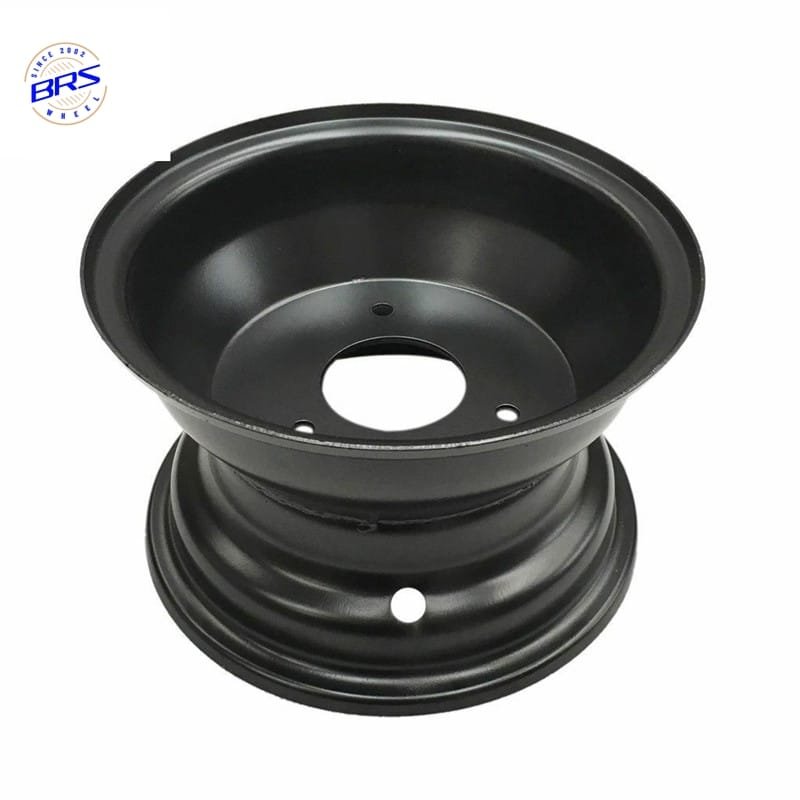
Stahlräder sind robust und langlebig und eignen sich für Fahrten auf unebenen Straßen. Marken wie BRS stellen hochwertige Räder für viele Fahrzeugmodelle her. BRS stellt seit 2002 Stahlräder her. Das Unternehmen verfügt über ein großes Werk, in dem jährlich eine große Anzahl von Rädern hergestellt wird. BRS ist nach IATF 16949 zertifiziert, was bedeutet, dass die Räder strenge Qualitätsstandards erfüllen. BRS-Stahlräder eignen sich hervorragend für den Einsatz bei kaltem Wetter und auf rauen Straßen und bieten eine höhere Verschleißfestigkeit als Leichtmetallräder. Die Kunden können individuelle Größen, Farben und Oberflächen wählen. BRS bietet Stahlräder für Limousinen, Anhänger und SUVs an.
- BRS Stahl-Räder: Robust und langlebig
- Ideal für Heavy-Duty- und Off-Road-Fahrten
- Kundenspezifische Farben und Größen verfügbar
- Zertifiziert für überragende Qualität und Sicherheit
Wann man sich für OEM entscheidet
Die Räder der Erstausrüstung sollten so gewählt werden, dass sie perfekt passen und die Garantie der Erstausrüstung erhalten bleibt. Diese Räder sind am besten für den täglichen Gebrauch geeignet und erhalten das ursprüngliche Aussehen des Fahrzeugs. Aftermarket-Räder und Stahlräder sind für besondere Anforderungen geeignet. Stahlräder eignen sich für raue Straßen und stark beanspruchte Umgebungen. Hochwertige Räder von renommierten Marken vereinen Sicherheit und Stil. Bei der Wahl der Räder sollten die Besitzer ihre Bedürfnisse, ihr Budget und ihre Fahrgewohnheiten berücksichtigen.
Tipp: Prüfen Sie vor dem Kauf neuer Räder immer die Zulassungsinformationen und die Kompatibilität der Räder. Dies trägt dazu bei, den sicheren Betrieb Ihres Fahrzeugs zu gewährleisten.
OEM-Räder Garantie und Markenwert
Unterstützung bei der Garantie
Räder der Erstausrüstung (OEM) werden in der Regel mit einer Herstellergarantie geliefert. Diese Garantie hilft, wenn es Probleme mit den Materialien oder dem Herstellungsprozess des Rades gibt. Die Besitzer fühlen sich durch die Zusage des Unternehmens, sich um diese Probleme zu kümmern, beruhigt. Für Aftermarket-Räder gelten andere Garantieregeln. Wenn Sie Ihre Räder austauschen oder Sonderanfertigungen verwenden, kann die Garantie erlöschen. Dies kann zu Streitigkeiten darüber führen, wer die Reparaturkosten zu tragen hat. In der nachstehenden Tabelle sind die Unterschiede in der Garantie zwischen OEM- und Aftermarket-Rädern aufgeführt:
| Typ der Räder | Garantieleistungen | Anmerkungen |
|---|---|---|
| OEM-Räder | Sie haben in der Regel eine Garantie des Herstellers. | Behebt Probleme mit Materialien oder deren Herstellung. |
| Aftermarket-Räder | Die Garantiebestimmungen sind von Unternehmen zu Unternehmen unterschiedlich; Änderungen können Ihre Garantie beeinträchtigen. | Speziell angefertigte Räder können Probleme verursachen, wenn der Hersteller sie nicht zulässt. |
Umfassende Garantieleistungen führen zu größerer Kundenzufriedenheit. Die Besitzer vertrauen ihren Rädern, weil sie strenge Garantiestandards erfüllen. Eine lebenslange Garantie auf Pulverbeschichtungen ist ein Zeichen für die Verpflichtung eines Unternehmens zur Produktqualität. Unternehmen, die sich an die OEM-Normen halten, tragen dazu bei, die Fahrzeugsicherheit und optimale Leistung zu gewährleisten. Diese Faktoren tragen zu mehr Vertrauen und Sympathie für das Unternehmen bei.
- Garantieleistungen geben Autobesitzern Sicherheit.
- Eine lebenslange Garantie auf die Pulverbeschichtung spiegelt die Sorgfalt des Unternehmens wider.
- Die Einhaltung der ursprünglichen Werksspezifikationen macht die Fahrzeuge sicherer und die Kunden zufriedener.
Markenwahrnehmung
Die Markenwahrnehmung bezieht sich auf die Meinung der Menschen über eine Marke. Sie beeinflusst den Preis, den die Menschen für OEM-Räder zahlen. Bekannte Marken erzielen höhere Preise, weil sie als besser wahrgenommen werden. Selbst wenn andere Räder billiger sind, entscheiden sich viele Menschen für bekannte Marken. Gute Werbung kann eine Marke hervorstechen lassen und ihren Wert herausstellen. Werbung, die die Qualität betont, ermutigt die Menschen, einen höheren Preis zu zahlen.
- Bekannte Marken erzielen höhere Preise, weil die Menschen ihnen vertrauen.
- Gute Werbung kann ein Produkt hervorheben und wertvoller erscheinen lassen.
- Werbung, die die Qualität hervorhebt, verleitet die Menschen dazu, einen höheren Preis zu zahlen.
Der Ruf einer Marke wirkt sich auch auf den künftigen Wert eines Fahrzeugs aus. Bekannte Marken wie GMC behalten ihren Wert besser. Autos von vertrauenswürdigen Marken sind beliebter und erzielen daher höhere Preise. OEM-Räder werden von den Käufern als Zeichen höchster Qualität und Haltbarkeit wahrgenommen.
Hinweis: Die Wahl von Originalrädern kann dazu beitragen, den Wert Ihres Autos zu erhalten und Sie glücklicher zu machen.
OEM-Räder sind teuer, weil die Hersteller viel in Design und Sicherheitstests investieren. Sie verwenden hochfeste Materialien und Spezialausrüstung für die Produktion. Eine begrenzte Produktionsmenge und bekannte Marken tragen ebenfalls zum Preis bei. Die Verbraucher sollten sich für sichere, leistungsstarke Räder entscheiden, die ein gutes Preis-Leistungs-Verhältnis bieten.
- Technischer Entwurf und Verifizierung
- Sicherheitszertifizierung und behördliche Zertifizierung
- Materialien & Fertigung Qualitätskontrolle
- Garantie und Kundendienst
- Marken- und Produktpositionierung
Tipp: Prüfen Sie vor dem Kauf immer, ob die Räder stabil sind, zu Ihrem Auto passen und die richtige Zulassung haben.
FAQ
Warum sind werkseitig montierte Räder teurer als Nachrüstungsräder?
Werksmontierte Räder sind präzisionsgefertigt, bestehen aus hochwertigen Materialien und durchlaufen zertifizierte Tests, um ihre Festigkeit zu überprüfen. Werksräder werden in der Regel in geringeren Stückzahlen produziert und haben eine Garantie. Auch die Marke selbst trägt zum höheren Preis bei.
Sind Stahlräder wie BRS eine gute Wahl?
BRS-Stahlräder sind robust und zuverlässig und sind nach IATF 16949 zertifiziert. Die Besitzer können individuelle Größen und Farben wählen. Diese Räder sind ideal für intensive Nutzung. Viele Menschen entscheiden sich für sie, weil sie sicher und langlebig sind.
Beeinträchtigen Nachrüsträder die Fahrzeugsicherheit?
Aftermarket-Räder passen möglicherweise nicht perfekt. Eine falsche Größe oder Einpresstiefe kann zu Reibung führen, die das Fahrzeug beschädigen kann. Geprüfte Räder vom Nachrüstmarkt sind sicherer. Werksräder passen immer perfekt auf das Fahrzeug.
Tragen werkseitig montierte Räder zum Werterhalt des Fahrzeugs bei?
Werkseitig montierte Räder tragen dazu bei, den hohen Wert des Fahrzeugs zu erhalten. Die Käufer vertrauen auf werkseitig montierte Räder. Fahrzeuge mit werkseitig montierten Rädern erzielen in der Regel einen höheren Preis.
Wie können Käufer die Qualität der Räder vor dem Kauf prüfen?
Käufer sollten auf Zertifizierungen wie SAE oder JWL achten. Auch die Zertifizierung nach IATF 16949 ist wichtig. Sie müssen die Passform und die Materialien des Rades prüfen. Ebenso wichtig ist die Garantie. Nur vertrauenswürdige Marken können zuverlässige Räder herstellen.