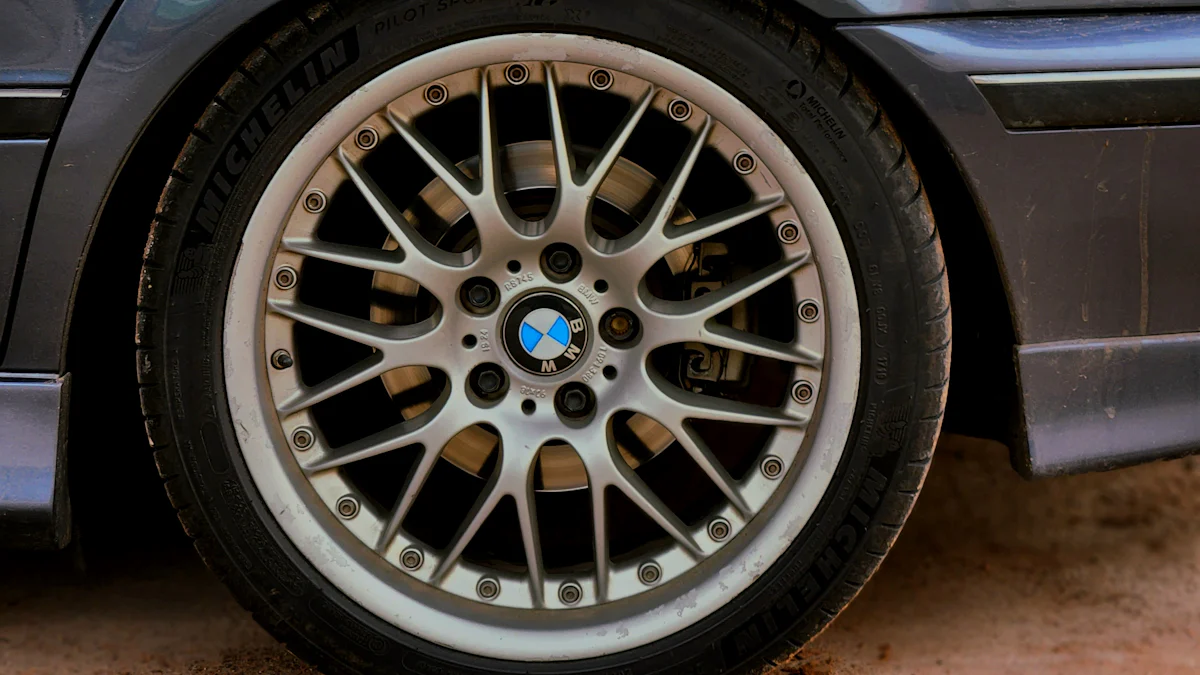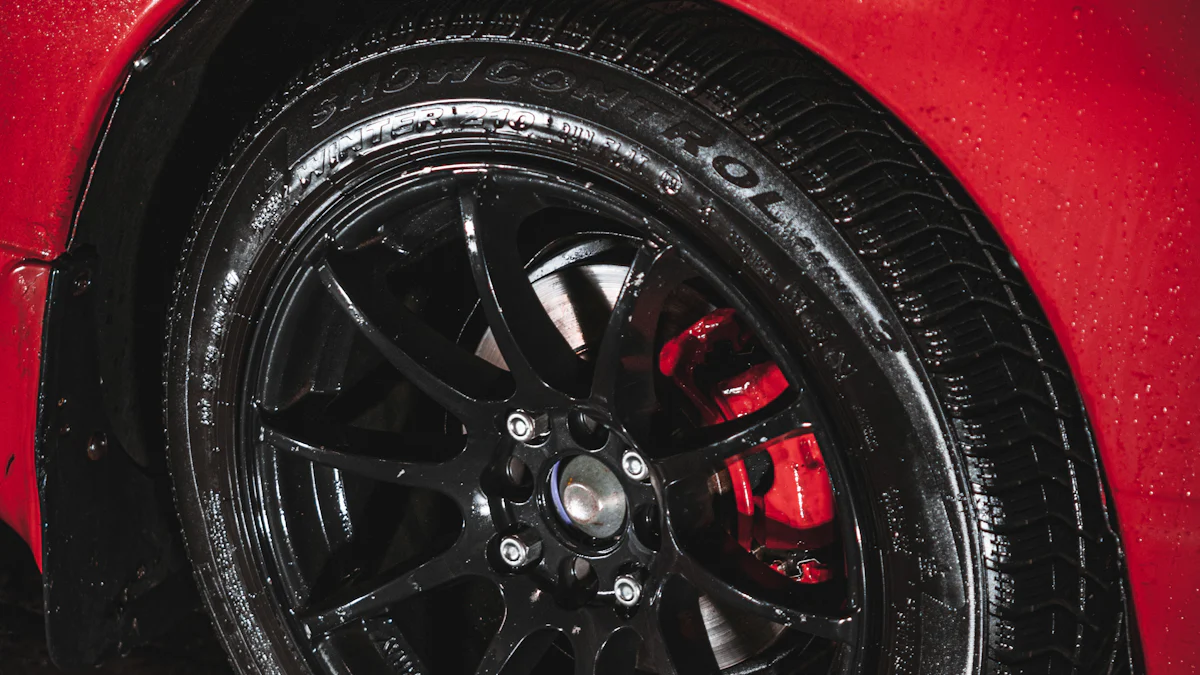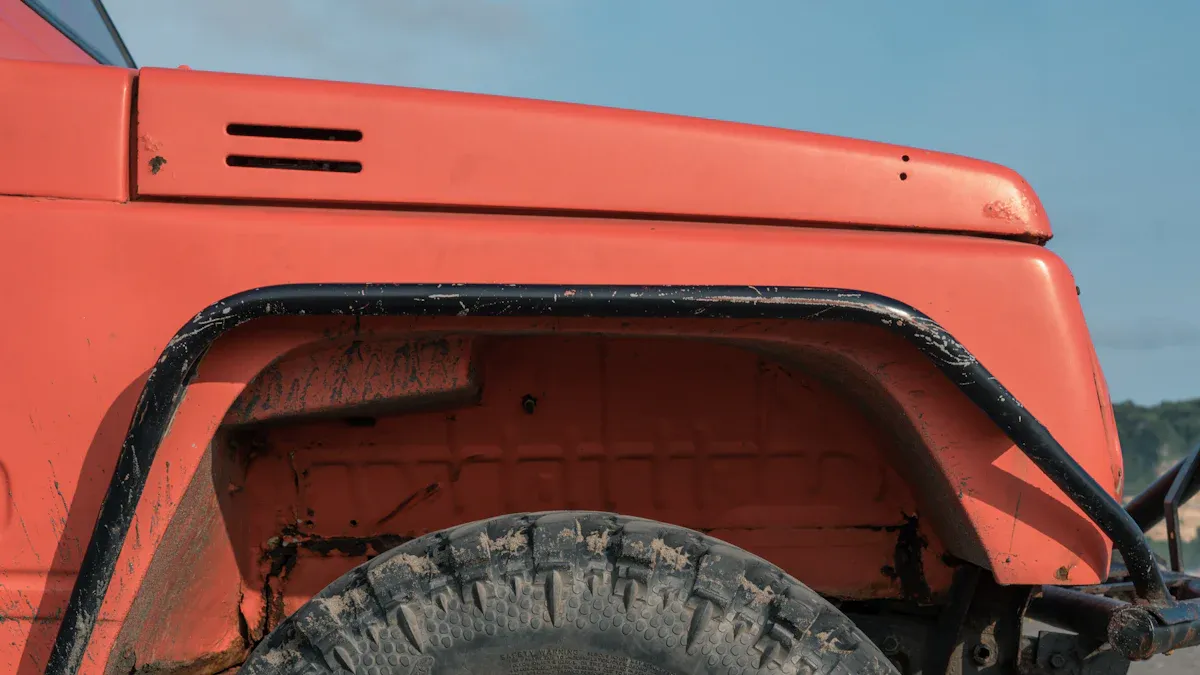

A 16×7 rim is a wheel rim. It is 16 inches across and 7 inches wide. These numbers tell you the rim’s size. The size helps you know which tires will fit. It also affects how the car drives. Many people see changes in how their car works when they change rim sizes. Bigger rims can use more gas. They can make the car louder inside. They can also make bumps feel rougher. Wider wheels help the car stay steady. They also help the car turn better. Picking the right rim keeps you safe. It also makes driving better.
- Larger rims can make brakes work less well.
- Wider wheels help the car stay steady when turning.
- Bigger wheels can wear out the suspension faster.
Wichtigste Erkenntnisse
- A 16×7 rim is 16 inches across and 7 inches wide. This size changes how tires fit and how the car drives.
- Picking the right rim size keeps you safe. It helps the car handle better and can stop expensive damage.
- Rim markings show important details like size, bolt pattern, and how much weight it can hold. This helps make sure the rim fits right.
- Wider wheels make the car steadier and easier to control. Bigger rims can use more gas and make rides less smooth.
- Good materials, like ones from BRS, make rims last longer and keep you safe in different driving situations.
16×7 Rim Size
Durchmesser und Breite
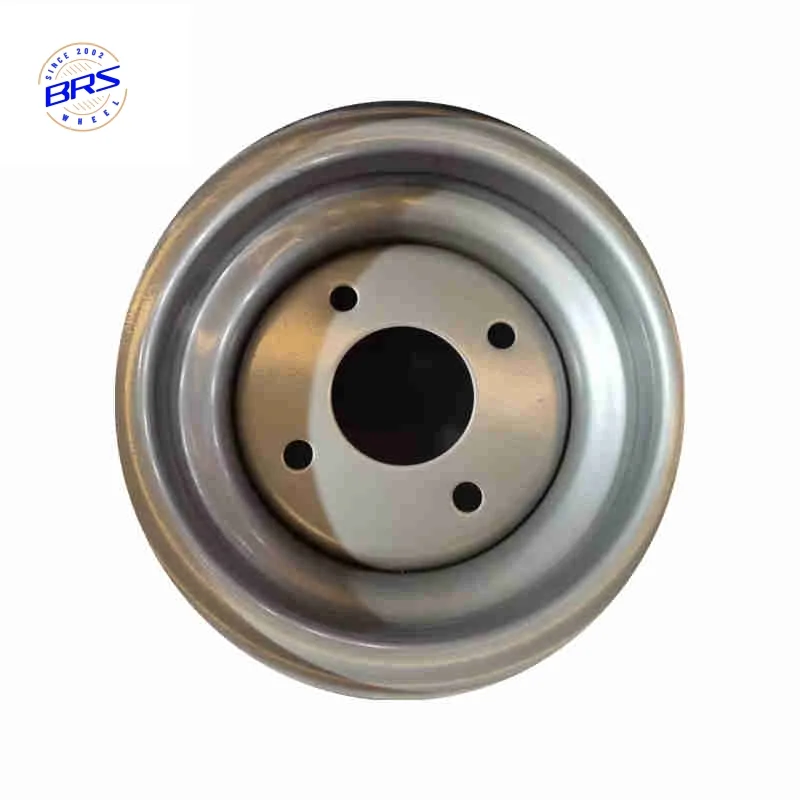
16×7 wheels have two main dimensions. The first number, 16, indicates the wheel diameter. The second number, 7, indicates the wheel width. These numbers help drivers choose the right wheels for their vehicles and also contribute to ensuring driving safety. The wheel diameter refers to the lateral distance of the wheel, measured from bead seat to bead seat. The bead seat is where the tire is mounted and secured. The wheel width refers to the distance between the two bead seats. Correctly measuring these dimensions ensures proper tire mounting and maintains vehicle load balance.
Many cars use 16×7 Felgen for their wheels. These rims are common in passenger cars, sedans, SUVs, and light trucks. Drivers choose 16×7 wheels for comfort, handling, and safety. Small sedans and hatchbacks like this size. It helps them save gas and ride smoothly. The rim size affects how the car handles, looks, and lasts. Picking the right rim helps keep you safe and makes your car work well.
To measure rim diameter and width, technicians use special steps:
- Use a digital caliper to check rim width.
- Measure between the bead hooks or bead seats, not the outside rim walls.
- For outside width, measure at the widest spot, usually across the brake track or outer sidewalls.
- Take several measurements around the rim to check for small differences, which are about ±0.5 mm.
- Measure the rim without tape or tire for best results.
- Look at technical drawings from the maker to check measurement spots.
- Measure rim width at different places around the rim to make sure it is the same everywhere.
To measure wheel diameter, first check the total diameter. Then, measure the depth from the bead seat floor to the rim lip edge. Subtract the rim lip height from the outer wheel diameter to get the bead seat diameter.
The rim width is set for each tire size. When the tire section width gets bigger, the measuring rim width also goes up in 1/2″ steps. Different rim widths are used based on the tire’s aspect ratio. These details help drivers match wheels to tires and stay safe.
Reading Rim Markings
The markings on the wheel rim provide important information about wheel size, specifications, and safety. Each rim has stamped or printed markings. These markings show the diameter, width, bolt hole spacing, offset, and load capacity. Drivers need to read these markings to check if the tires are the right fit and if the rims match the vehicle.
A typical 16×7 rim marking is shown below:
| Marking Example | Meaning |
|---|---|
| 16×7 | Diameter x Width |
| 5×100 | Bolzenmuster |
| +40 | Versetzt |
| 195/65R16 | Recommended Tire Size |
| 690 kg | Tragfähigkeit |
Before installing wheels, drivers should check the markings on the rim. Load capacity indicates the maximum weight the rim can safely withstand. Bolt hole spacing indicates how the rim is connected to the vehicle. Rim offset affects the wheel’s position within the wheel arch. This information helps drivers choose wheels that are suitable for their vehicle and ensure safety.
Rim markings also help drivers compare specifications and select wheels that meet their needs. Reading these markings ensures the wheels can withstand loads, match the tires, and function properly. Safety depends on whether the rim size, specifications, and load capacity are compatible with the vehicle and your driving habits.
16×7 Rim Specs
Bolzenmuster
The bolt pattern is an important part of rim specs. It tells you how many bolts hold the wheel on. It also shows how far apart the bolts are. Some common bolt patterns for 16×7 rims are 5×114.3, 5×100, 4×100, and 6×139.7. Each bolt pattern must match your car for the wheels to fit right and stay safe.
| Bolzenmuster | Common Sizes | Hinweis |
|---|---|---|
| 5×114.3 | 5 bolts, 114.3 mm | Used on many sedans and SUVs |
| 5×100 | 5 bolts, 100 mm | Popular for compact cars |
| 4×100 | 4 bolts, 100 mm | Common on smaller vehicles |
| 6×139.7 | 6 bolts, 139.7 mm | Used for trucks and off-road vehicles |
The bolt pattern also decides which cars can use the same wheels. For example:
| Bolzenmuster | Vehicle Brands | Vorteile |
|---|---|---|
| 5×112 | Audi, Mercedes-Benz, Volkswagen, BMW | Works with many models, more wheel choices, better load spread |
If you match the bolt pattern, the wheels fit well and carry weight safely. This keeps your car safe and helps the wheels last longer.
Versetzt
Offset is another big part of rim size. Offset means how far the mounting spot is from the middle of the rim. Most 16×7 rims for cars have an offset between +35 mm and +45 mm. This range helps the wheels sit in the right place and fit well.
- Offset changes how the car steers and handles.
- If the offset is wrong, tires can wear out too soon.
- Too much positive offset can make the tire rub on parts.
- Negative offset puts more stress on the wheel and suspension.
- Changing offset can also change how the steering feels.
“Offset isn’t just about looks. If you change it without checking the suspension, you might lose safety and make the car harder to drive.” — Marcus Chen, ASE Master Technician & Wheel Fitment Consultant, Precision Alignment Group
This is a real-world case regarding wheel offset. A Honda Civic Si owner replaced his wheels with 16×7-inch wheels with a +28mm offset, 12mm less than the original +40mm offset. After driving 3200 miles, he heard an unusual noise and noticed the tires were wearing out quickly. A mechanic’s inspection revealed that the lower offset had increased the caster angle by 9%. This accelerated wear on the tie rod ends and reduced safety during high-speed cornering. This demonstrates that wheel offset is crucial to both vehicle safety and performance.
Tire Size Range
Tire size is very important for rim specs. The right tire size keeps the car safe and helps it drive well. For a 16×7 rim, the best tire width is between 195 mm and 225 mm. The perfect width for good support and handling is 215 mm.
- The widest tire you should use is 225 mm.
- The best width for balance and control is 215 mm.
- Using a tire wider than 225 mm can be risky and cause blowouts.
- The right tire size helps the rim carry weight and keeps you safe.
Picking the right tire size also helps the wheels last longer. It keeps the car balanced and safe.
Choosing 16×7 Rim
Material-Optionen
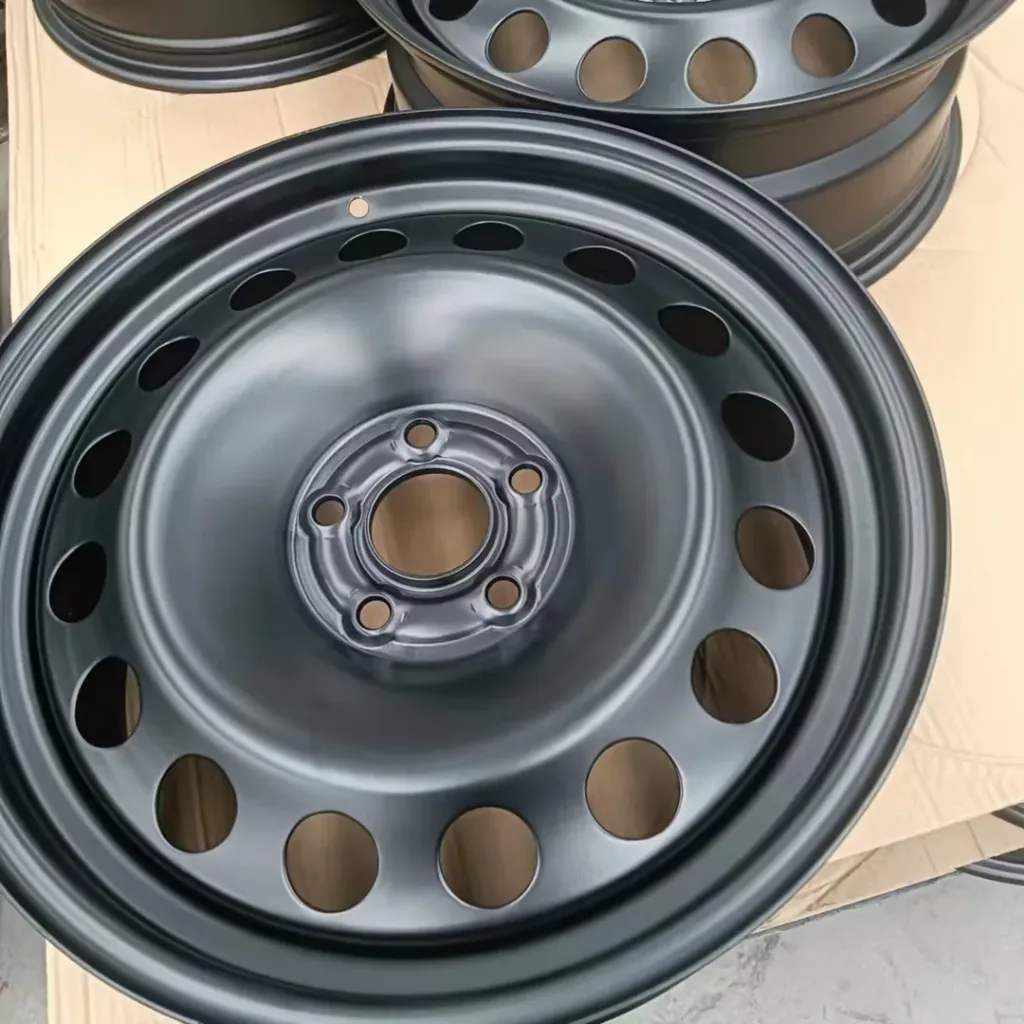
When picking a 16×7 rim, people look at the material first. The material changes how strong and safe the wheel is. There are three main materials for wheels: steel, aluminum, and carbon fiber. Each one has its own good points.
| Material | Properties | Vorteile | Typische Anwendungen |
|---|---|---|---|
| Stahl | Strong, lasts long, costs less | Great for tough jobs and heavy loads | Hard driving places |
| Aluminium | Light, does not rust, many styles | Makes cars use less gas and drive better | Most cars, sporty cars |
| Carbon Fiber | Very light, very strong | Best for speed and quick moves | Race cars, fast cars |
Steel wheels can carry a lot of weight and last a long time. Aluminum wheels are lighter, so cars use less gas and ride smoother. Carbon fiber wheels are the lightest and strongest, but they cost the most and are for race cars. Chrome-plated wheels look shiny and are not too heavy, so people like them for show cars.
Überlegungen zur Leistung
The specs of wheels matter for safety and how well a car works. Steel rims are strong and do not break easily. Alloy rims are lighter, which helps cars turn and use less gas. Chrome wheels look cool but may not be as strong as steel.
| Felgenart | Dauerhaftigkeit | Gewicht | Aesthetics | Anwendungen |
|---|---|---|---|---|
| Stahlfelgen | Very strong | Schwer | Okay | Work trucks, rough roads |
| Aluminium-Legierung | Gut | Licht | Looks great | Cars, saves gas |
| Chrome-Plated | Gut | Mittel | Super shiny | Show cars, fancy looks |
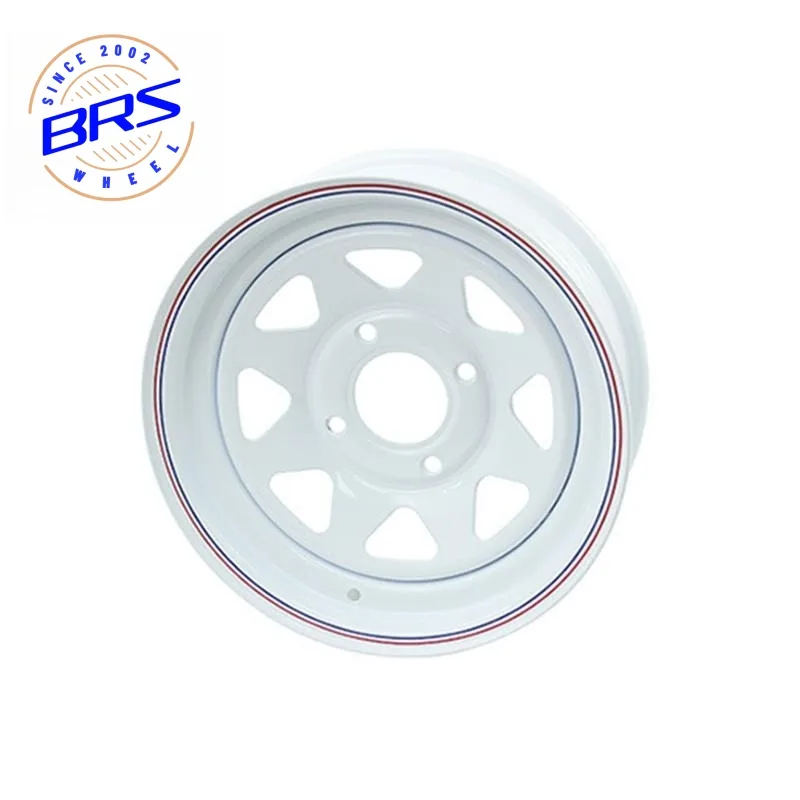
BRS steel wheels are safe and can hold a lot of weight. The company lets you pick different looks, like matte black, chrome, or gunmetal. You can also choose special designs and logos. BRS takes about 45 to 60 days to make custom wheels and send them to you.
Tip: Always check if the tires and wheels match before you buy. Make sure the rim size and specs fit your car to stay safe and stop tires from wearing out wrong.
People should think about the material, how much weight the rim can hold, the finish, if it fits the hub, the warranty, and if the tires fit. Getting the right fit and putting the wheels on right keeps you safe and helps your car work its best. BRS steel wheels follow strict safety rules and work for many cars and ways of driving.
Picking the right 16×7 rim size helps cars run well and keeps people safe. Checking if the rim fits stops expensive problems and makes every drive safer. People should always look at things like tire fit and bolt patterns to avoid mistakes and stay safe. Good brands like BRS make strong steel wheels that are safe and make drivers feel sure about their choice.
FAQ
What vehicles use 16×7 rims?
Many sedans, SUVs, and light trucks use 16×7 rims. These rims fit passenger cars and some off-road vehicles. Drivers choose this size for balance and comfort.
How do you check if a 16×7 rim fits your car?
Check the rim markings for diameter, width, bolt pattern, and offset. Compare these numbers to your car’s specifications. Matching these ensures safe and proper fit.
What tire sizes work best with a 16×7 rim?
Tire widths from 195 mm to 225 mm fit well on a 16×7 rim. The most common size is 215 mm. This range supports safe handling and good performance.
Sind Stahlräder besser als Leichtmetallräder?
Steel wheels last longer and handle heavy loads. Alloy wheels weigh less and improve fuel efficiency. Each type suits different driving needs.
Wie lange dauert es, bis ich maßgeschneiderte Stahlräder von BRS bekomme?
BRS delivers custom steel wheels in about 45 to 60 days. The company offers many colors and designs to match different vehicles.